
Spotify

Compared to Figma and NYTimes, Spotify has a greater percentage of freemium users. This is because the company purposefully keeps ~60% of users free to maximize reach and ad inventory while nudging heavy listeners into Premium with capability gates. Spotify maximizes lifetime value through tier-based price increase for premium and mix-shifts (family plan). One risk Spotify has to consider is having too many ads and engineered friction (e.g. can’t download songs) that could increase churn among freemium users.
Figma
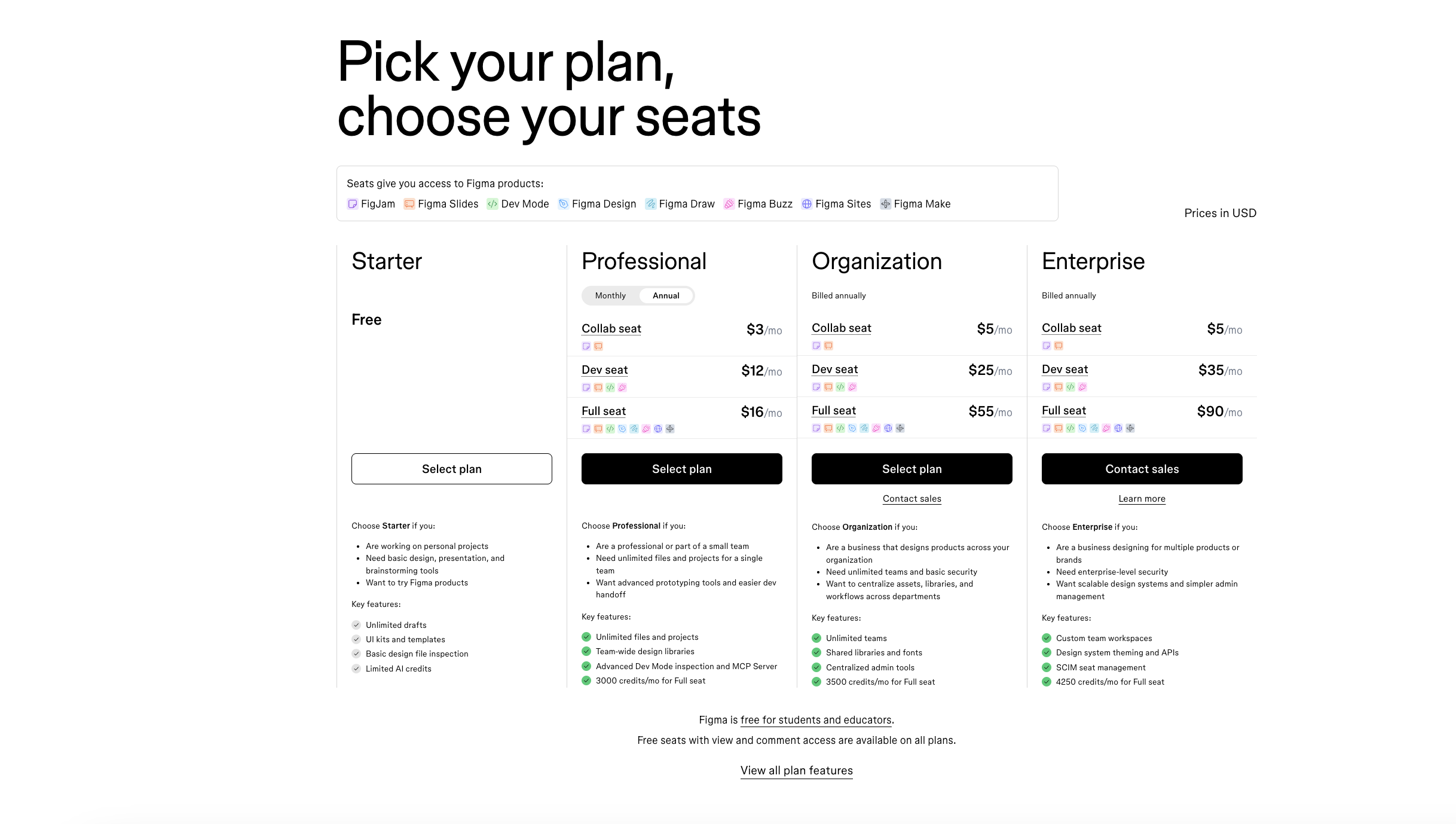
Compared to Spotify, Figma has less engineered friction for freemium users, especially users who are solo designers or students. Figma mainly profits from business customers or organizations who purchase seats for their employees, allowing businesses to also pay for the number of file viewers (e.g. likely engineers/PMs) vs. editors (likely designers). The company maximizes lifetime value by landing small and expanding broadly—seat-count growth within the same company is the primary LTV driver. One risk Figma faces is if freemium plans are too limited in design capabilities, this could risk halting virality speed or delightful experiences from solo/freelance designers.
NYTimes
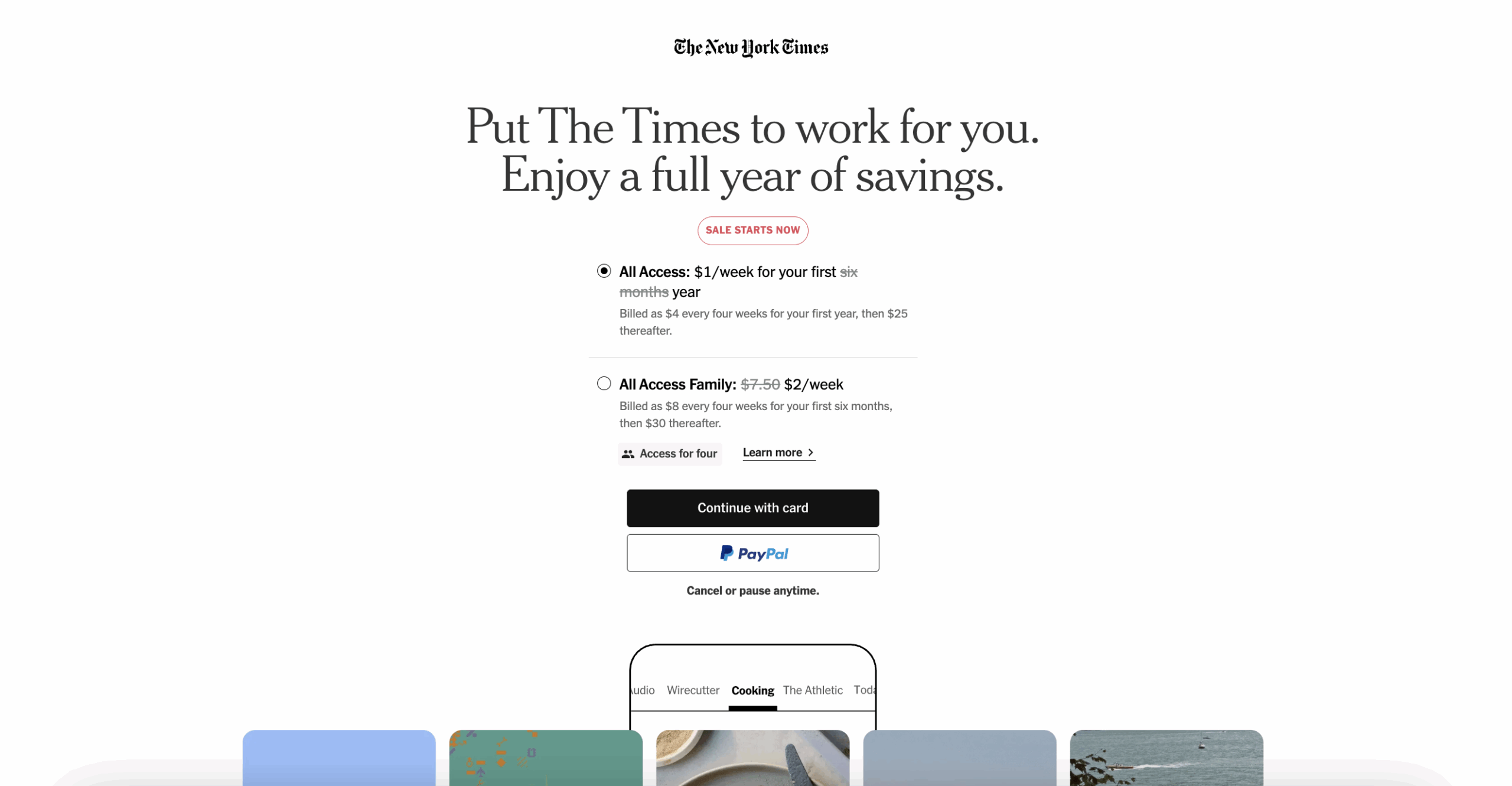
Compared to Spotify and Figma, I would say NYTimes has the highest friction for freemium readers—similar to other established newspapers, NYTimes often only shows the beginning portion of an article, prompting users to sign in if they want to finish the article. NYTimes also limits freemium users to 5 articles a month, building user habit and identity association before the paywall. One risk of NYTimes is if the paywall is too tight, this could lead to low conversion and promo surfers.



