
Freemium models are strategically designed to maximize Lifetime Value (LTV) based on different business goals.
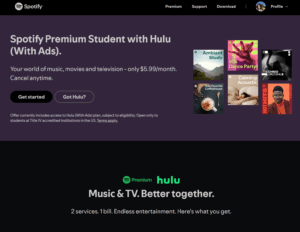
Spotify uses a feature-gated “annoyance” model. The free tier is intentionally degraded with ads, limited skips, and no offline access. This friction is calibrated to push individual users to a premium subscription. LTV is then maximized through high retention, as users are locked into their curated playlists. The risk is balancing this friction: it must be annoying enough to convert, but not so high that users flee to competitors. They also have a student discount, which focuses on users just starting out with paying for music. Once students have used Spotify during college, they will likely use Spotify for life.
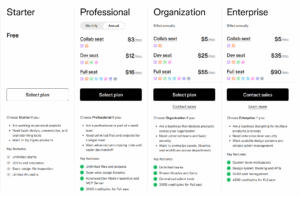
Figma has product-led growth. It offers a nearly frictionless, high-quality product for free to individuals who want to design. The conversion trigger is at the team and enterprise level, gating collaborative features like shared libraries. LTV is maximized through B2B expansion, where one free user acts as the trigger that leads to a full enterprise contract. The “risk” of free users is minimal; it’s effectively their marketing budget.
The NYTimes uses a metered “value-wall”. Users get a limited taste (e.g., 3 free articles) before hitting an absolute paywall. The paywall is discounted at the beginning to reduce the initial hurdle. The conversion trigger is the high-quality, exclusive content itself. LTV is maximized by increasing Average Revenue Per User (ARPU) through bundling, cross-selling subscriptions to Cooking, Games, and The Athletic. This is a high-risk model, betting that its brand prestige is a unique substitute for free competitors.

