
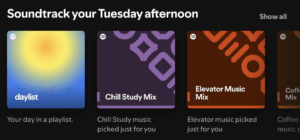
Spotify uses personalization to increase listening time, its core business metric. They optimize the entire home page UI around user personalization, using phrasing like “Made for you” and “Recommended stations” to recommend new songs (Discover Weekly, Release Radar) and playlists and mixes (for different moods, genres, and times of day) based on the user’s taste profile, which keeps the user listening. Listening time increases conversion to paid tiers (removing ads, which would increase the longer you use the app, and full control over listening experience), improves retention, and improves personalization (which improves all of the above points). Personalization drives Spotify’s business; improving retention translates into millions in subscription revenue and improved personalization, creating a compound effect.
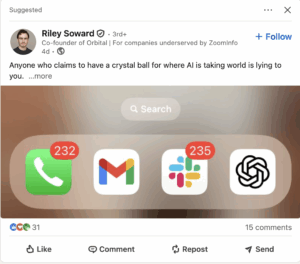
LinkedIn uses personalization to improve its feed, connection suggestions, and job matches to increase user session frequency through networking effects. Through more frequent user activity, LinkedIn can improve its personalization, suggesting better job matches and networking recommendations, which drives more user activity since they gain more value from using the product (and they also get more ad revenue). This drives conversion (subscription revenue), ad revenue, and improves the personalization cycle, which further improves network effects.
Finally, TikTok uses personalization on its For You page, suggesting user content based on how long they watched a video, their interactions, and updating content suggestions in real time. TikTok’s main revenue source is ads, so this personalization enables them to place personalized ads that improve click rate and drive user engagement, which increases the amount of ads a user views. Personalization improves engagement, which improves ad precision and increases the number of personalized ads TikTok shows, improving ad revenue and ROI. Personalization drives growth.
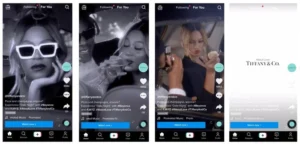 (Being on the For You page suggests the ad is “for you,” just like all of the non-sponsored content the user watched)
