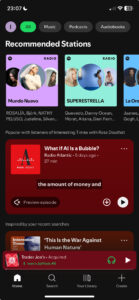
Spotify uses personalization almost as it’s core feature in the sense that although you can always type for a specific artist, there are always ‘personalised’ playlists, recommendations etc. The algorithm is tuned to maximize listening time, which is their core engagement metric because listening time = habit = subscription conversion. Their ROI here is extremely direct, where they have more listening time will increases subscriber LTV, will lower churn, and reduce reliance on expensive editorial curation.
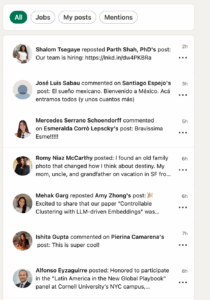
LinkedIn, on the other hand, personalizes around session frequency. Every feed refresh feels like a carefully engineered nudge whether it’s a job update, a former colleague’s promotion, a suggestion etc. Their ROI is about liquidity: the more often people return, the more frequently recruiters post jobs and buy premium tools. Their personalization tools are not entertainment but rather economic.
TikTok is the outlier in how aggressively it ties personalization to ad targeting. The FYP keeps you scrolling and they are able to include ads very easily because of how easy it is to scroll through them as well. Their ROI is enormous because every incremental improvement to the feed algorithm increases both time spent and the precision (and price) of ads sold. TikTok’s personalization is the business model.
Across all three, personalization isn’t just retention, but rather as we have seen with other examples, it’s revenue architecture. The closer the product gets to predicting you, the cheaper it becomes to keep you and the more money they can make off you.