
Spotify
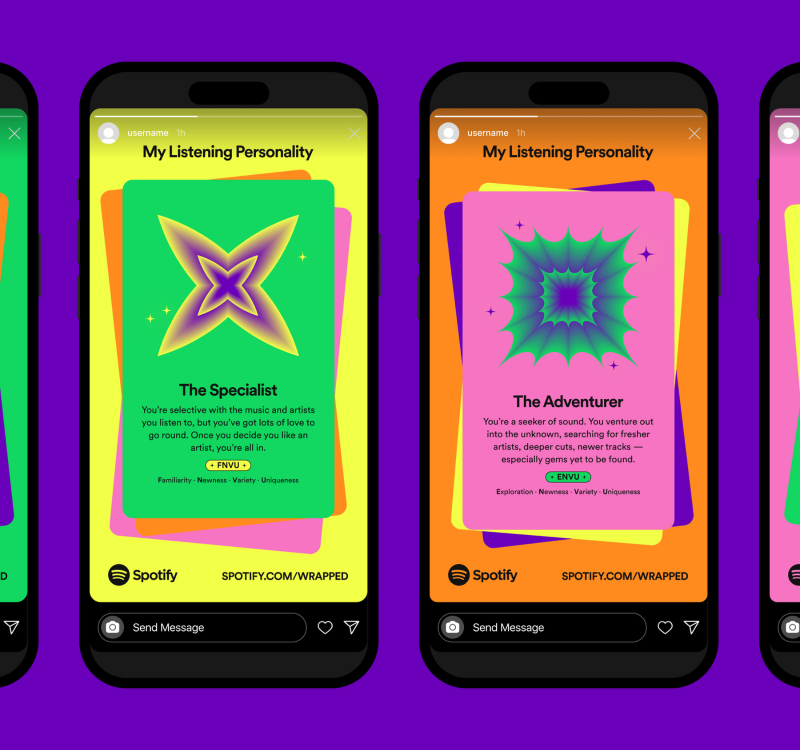
Spotify’s customization is present mainly with playlists, mixes they make for you, and recommended songs. This is strategic because their retention is how many minutes people listen on the app as well as if they come back again and again. By allowing their users to personalize their own playlists, they increase retention because people will have created something unique for themselves or have it created by the app. And recommendations increase retention because it makes it easier for users to just return and listen rather than having to choose between so many songs that exist. As they invest more time and effort into making playlists and it becomes more habitual, they are less likely to leave and more likely to convert to Premium users.
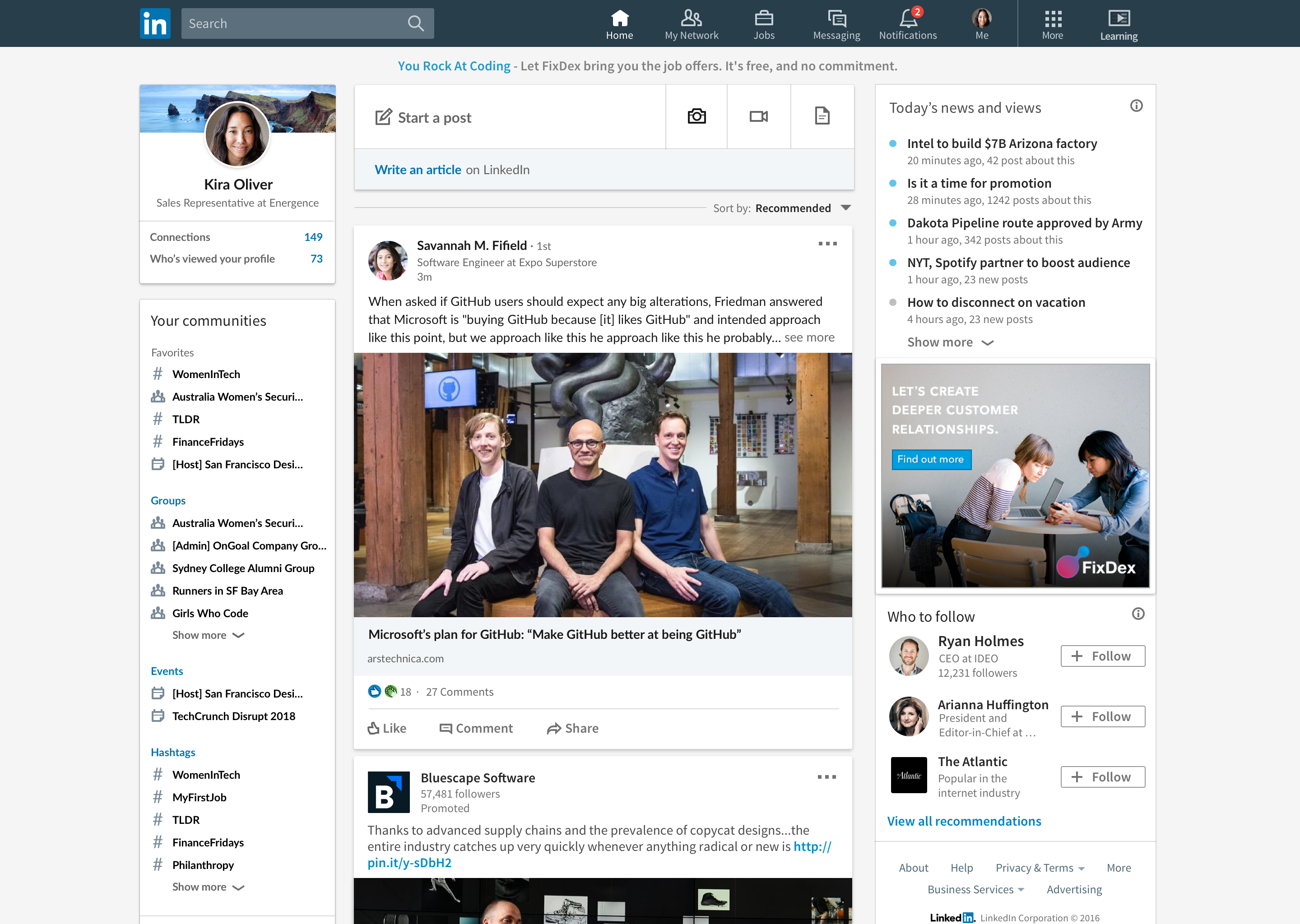
LinkedIn optimizes for session frequency which means its customization is present in its feed and how it shows you posts from your network that they think you’ll be interested in. Like other feed-based platforms, it gets people to continue to scroll and see more ads, but also is realistic and doesn’t try to keep people scrolling FOREVER but more often. There is new content from your 2nd degree connections and onward to be more interesting which keeps people coming back to the app.
TikTok
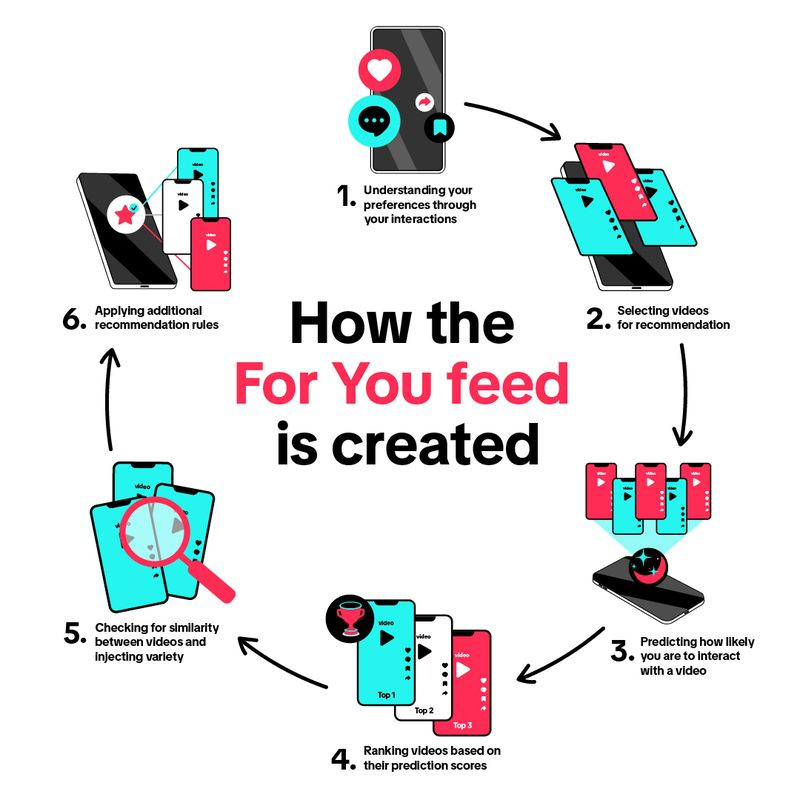
TikTok has a feed as well, but the priorities of the feed in LinkedIn and TikTok differ significantly. TikTok cares more about session duration and keeping people on the app so that they see more ads and they can collect more data on the user. As they learn more about the user, they are able to give more accurate recommendations which means the cycle continues and the user is practically unable to leave the app.
Conclusion
While all 3 platforms use personalization, they all leverage it for different purposes.



