
Slack

Figure 1. Slack error message: message failed to send
Errors on Slack include failed message sends, broken file uploads, or outage-level disruptions (Figure 1), which all directly threaten organizational productivity. Every “message not sent” increases the chance teams switch to email or a competing chat platform. The business cost of these errors include lower engagement, potentially leading to lower DAU/MAU and higher churn for paid workspaces if these errors are consistent. Slack handles these errors by offering “retry” buttons, auto-buffered messages, local drafts, and immediate status banners. These reduce user anxiety of whether messages were sent successfully and preserve team flow, protecting long-term retention revenue.
Uber
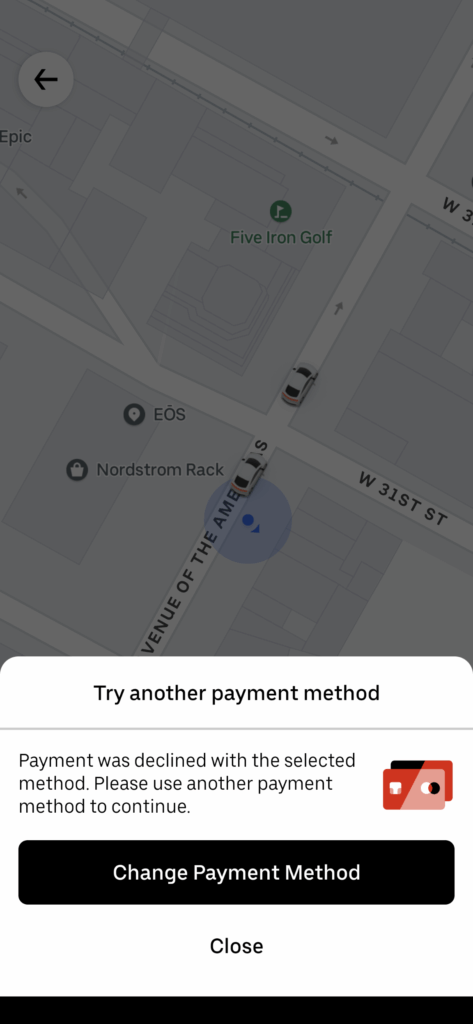
Figure 2. Uber’s recovery pattern for payment failure
Errors on Uber include failure to request a trip, payment failure, fare expired or driver unavailable. In the case of Uber, errors like these not only mean instant revenue loss (lost trip), but it could also mean an increase in churn, as users look towards more reliable or cheaper alternatives such as Lyft. Uber handles these errors by focusing on smart alternatives such as “try another pickup point,” “switch payment method to in person (Figure 2),” “high demand—retry in 1 min”), pre-authorized payments, and proactive couponing. These steer the user back into the ride funnel, preserving short-term GMV.
Banking apps
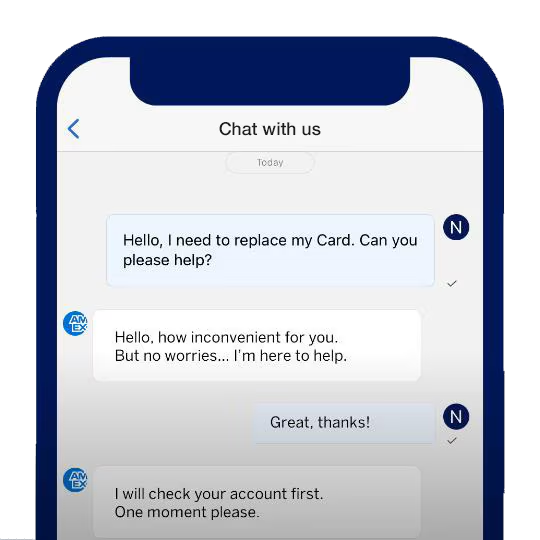
Figure 3. Amex, like many banking apps, include an in-app chat/customer support
Errors on banking apps are likely more harmful than errors on Slack and Uber since this could harm long term trust, which is the bank’s primary asset. For example, errors on banking apps include “balance unavailable,” “transfer failed,” “card temporarily blocked.” Handling these errors are likely more frustrating because it often requires live customer support to verify user identity before taking action (e.g. unblocking card). The business cost of these errors could be increased customer support load, decreased deposit inflows, and potential long-term churn to competitors. Recovery patterns for these errors often include detailed error codes, in-app chat support (Figure 3), temporary limits, clear explanations, and strong “we’re protecting your security” messages. These protect the deposits and transaction fees that drive banking margins.



