
At Config 2023 , Brian Chesky told a room full of designers that Airbnb no longer had traditional product managers, and they cheered. That cheer is the whole question, really. Where the PM sits, and how much power they actually have, shapes everything a team ends up building.
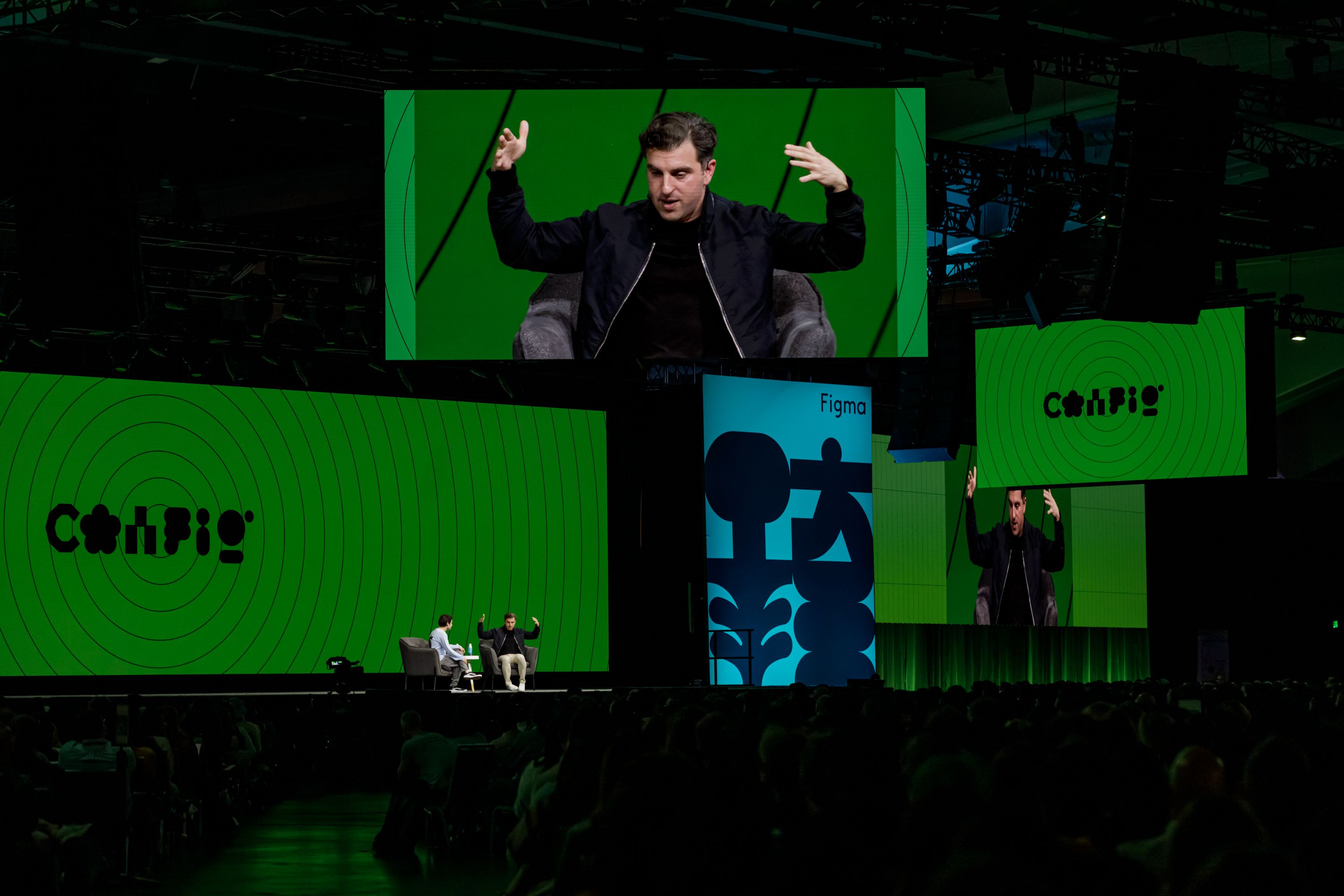
He didn’t actually fire anyone. The job just changed. After 2020, Airbnb dropped its separate divisions and went functional, so design, engineering, and marketing each report to a domain expert. Chesky basically acts as chief product officer, setting a rolling two-year roadmap that ships in two big releases a year. PMs picked up product marketing, program managers took over coordination, and the big calls now come from the top. PMs lead through influence, with designers sitting next to them as equals.
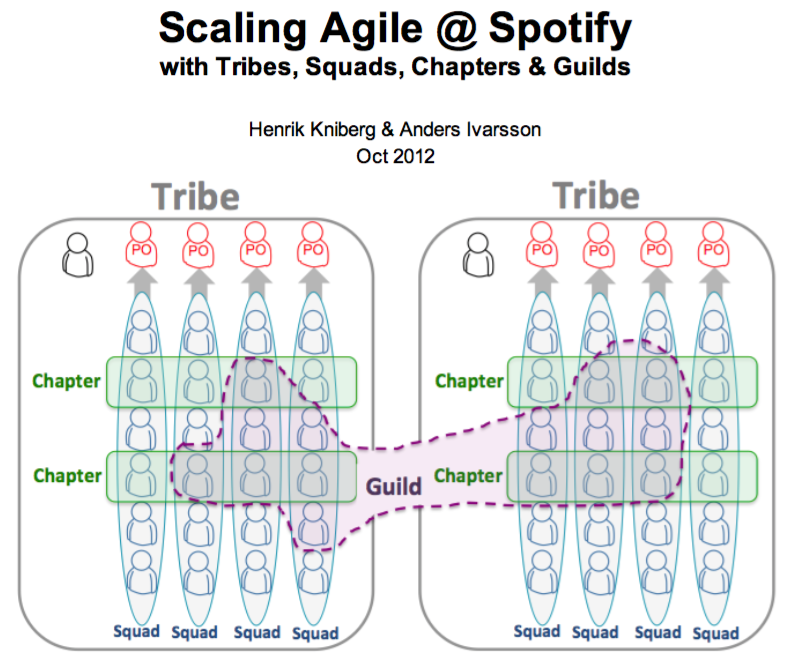
Spotify went the other way. It split the company into squads, small cross-functional teams that each own a piece of the product and run like mini-startups. Related squads form a tribe, specialists meet across squads in chapters, and guilds are looser groups anyone can join. Each squad has a product owner who sets priorities but manages nobody. That falls to the chapter lead. Spotify has since moved on, and a former PM there put it simply: squads had freedom but no real way to work together.
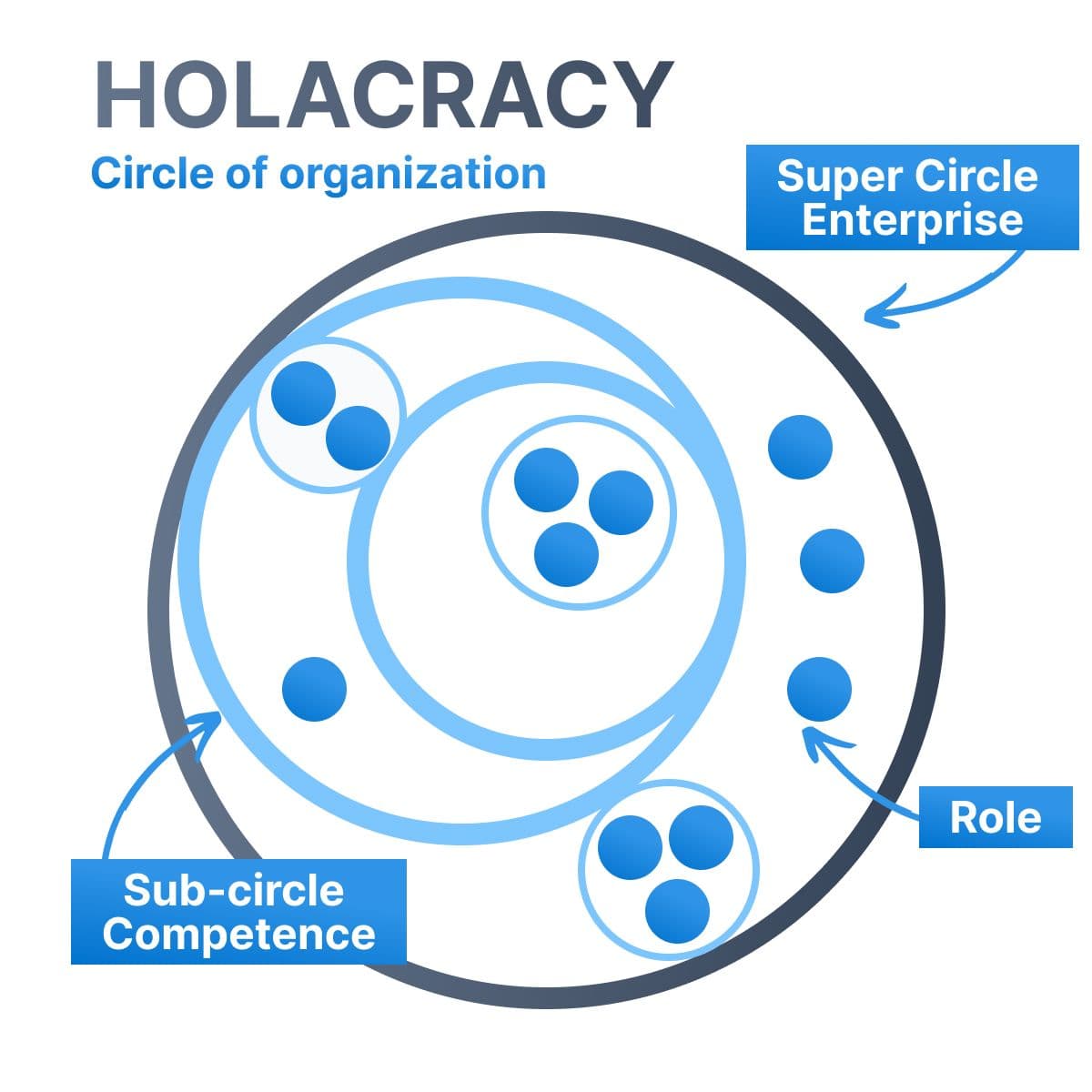
Zappos blew the whole thing up. In 2013, Tony Hsieh started moving the company to holacracy, which swaps managers for circles, self-organizing teams that follow a written constitution. People hold roles instead of titles, and each circle has a lead link with little formal authority. Product decisions come from whoever is closest to the customer, so there’s no PM seat at all. In 2015, Hsieh told employees to commit or take a buyout, and 18% left. Zappos has quietly backed away since
I’d take Spotify’s model, with one fix. Of every startup I’ve tried to build and company I’ve worked at, FalconX felt best. Every project kicked off with senior engineers, PMs, sales, marketing, and the CEO in one room hashing out the problem, then small cross-functional groups built it. Leadership got frequent check-ins, Airbnb style, but the real work happened in squads. It also solved Spotify’s blurry question of who decides. We argued it out together, and when we couldn’t agree, the CEO made the call.
