
The key question: who gets to decide what gets built?
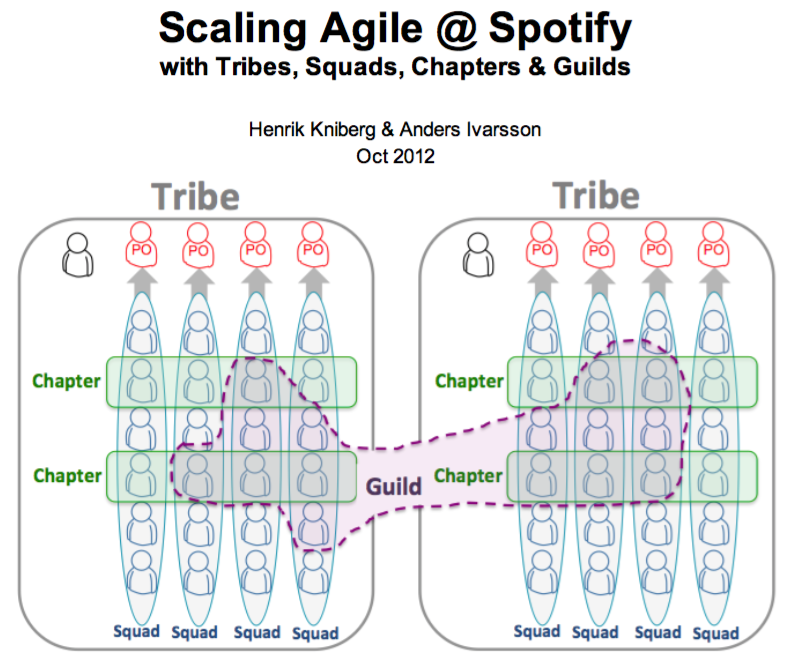
At Spotify, that power sits pretty close to the team. Squads are small, cross-functional groups that own a product area, and the product owner helps decide what should be prioritized. The rest of the squad has a lot of freedom in deciding how to solve it. To me, the PM has real influence without being the boss of the engineers or designers, although that much autonomy can make alignment harder as the company grows.
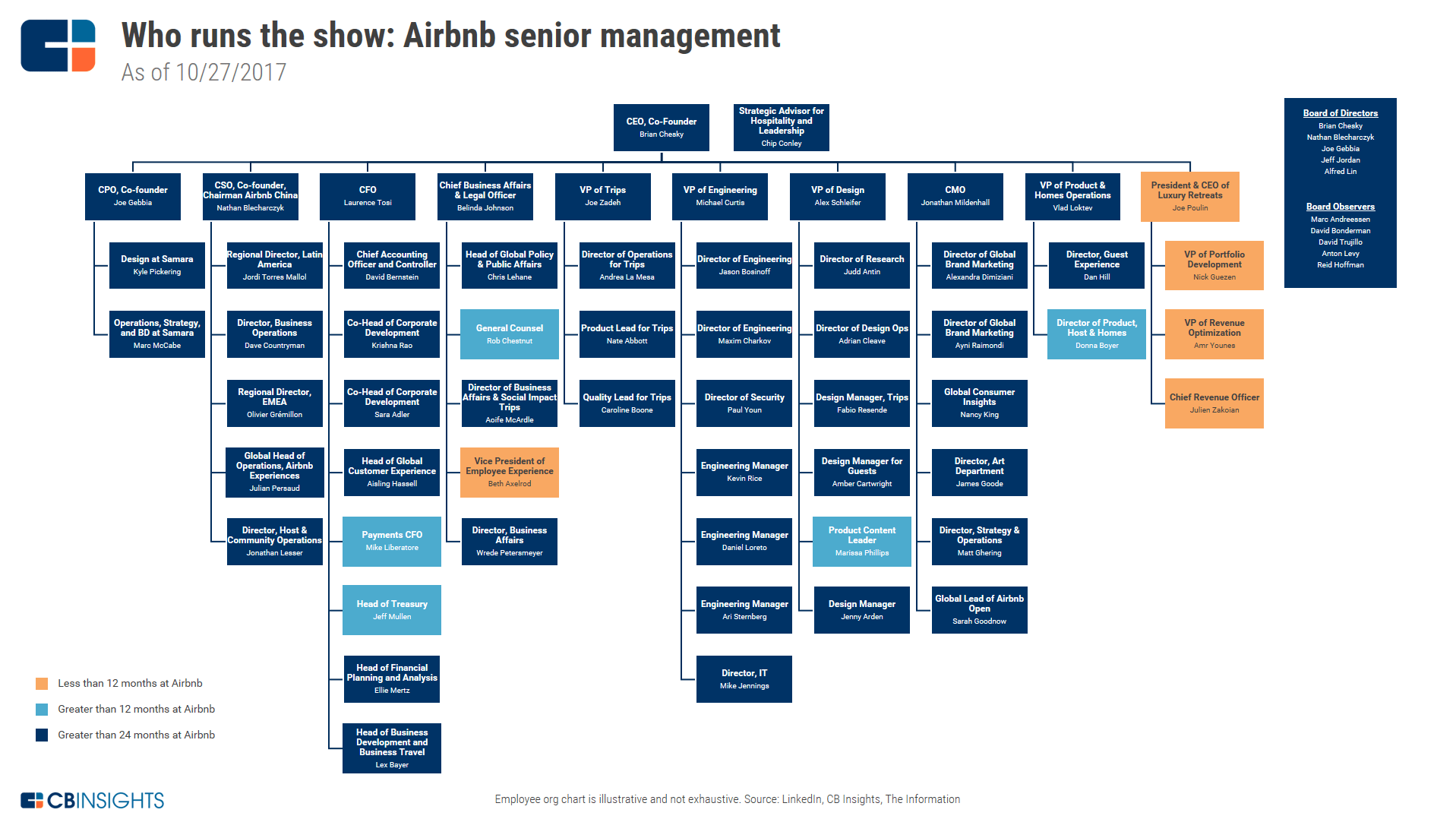
“This older chart shows Airbnb’s functional structure, despite later changes.”
Airbnb is kind of the reverse. It is organized more by functions like design, engineering, and product marketing, with Brian Chesky and senior leadership staying closely involved in the main roadmap. Design also has a strong voice. So basically, PMs have less independent control over what gets built and spend more of their time shaping the customer problem, product story, and direction within a larger company vision.
.png)
Zappos is also it’s own different thing with holacracy. Authority was attached to specific roles inside groups called circles rather than normal management titles. If a decision fell under your role, you could make it without going through a boss. The part that seems messy to me is basically what happens when two roles start touching the same problem.

If I had to pick one, I would choose Spotify. I like being close enough to a problem to hear what users, engineers, and the business are all saying and then help turn that into a direction. When I feel like I am just one person stuck inside a huge process, I can start to feel pretty helpless. I work better in smaller groups where I can go deep on something and actually see my decisions turn into something real.
