
People rarely give up a familiar routine for something that only half works, because switching takes effort. A slick demo can hide that effort, so the test is whether people slide back to old habits.
Humane’s $699 AI Pin ran on voice and a palm projector, so it had to actually work. Its test card would read, “We believe it will handle requests accurately and quickly. To verify, we will give 20 testers a rough, unassisted prototype for messages, calls, and questions and measure how many it answers correctly within ten seconds without a phone. We are right if it hits 90%.” Cheap tests like this catch failures early.
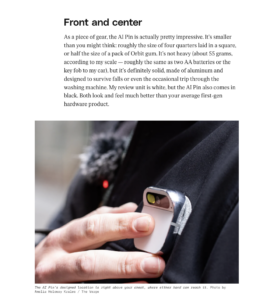
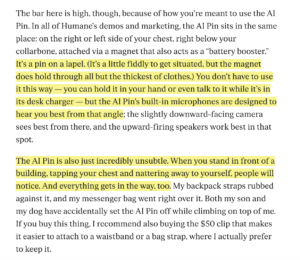
https://www.theverge.com/24126502/humane-ai-pin-review
Quibi’s riskiest assumption was that people would trade free clips for premium episodes. Its test card would read, “We believe viewers will pick professional shows even with free clips right there. To verify, we will show 100 people a feed of licensed pilots and free videos and measure the pilots’ share of watch time. We are right if it’s at least 30%.” Quibi wouldn’t need a single new episode.
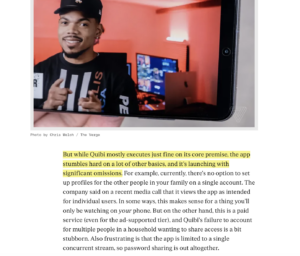
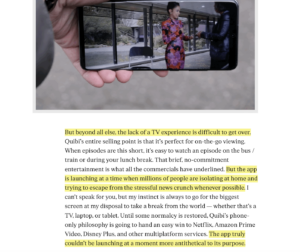
https://www.theverge.com/2020/4/6/21208932/quibi-app-review-price-short-form-video-content-features-streaming-rotation
Juicero’s riskiest assumption, that hands couldn’t do the machine’s job, was easy to check. Its test card would read, “We believe hands can’t squeeze out enough juice. To verify, we will give 20 people packs and one prototype press and measure how many get 90% of its yield within two minutes. We are right if fewer than four do.” Preorders could never answer that.
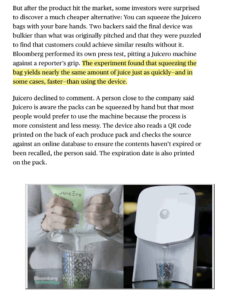
https://www.bloomberg.com/news/features/2017-04-19/silicon-valley-s-400-juicer-may-be-feeling-the-squeeze?leadSource=uverify%20wall
Each test asks whether the product is worth changing a routine for. A demo can earn praise without ever answering that, and watching people use a rough version tells you more.
