
Quibi, the Humane AI Pin, and Juicero each raised substantial capital, launched at full scale, and ceased operations within two years. In each case, the business rested on a single riskiest assumption that an inexpensive test could have examined before launch.
Quibi
The company assembled well-known performers and funded production at television budgets, which was a credible approach to content quality. The flaw was that the team never verified whether commuters wanted paid, phone-only programming.
We believe that commuters will pay $4.99 a month for ten-minute mobile-only shows. To verify this, we will run a fake door preorder page featuring five trailers and spend $20,000 on advertising aimed at commuters. We will measure the share of visitors who enter a credit card. We are right if 3 percent of 20,000 visitors preorder.
Humane AI Pin
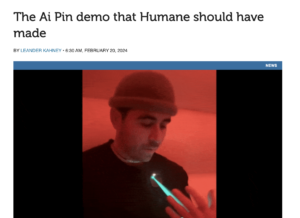
The voice-first interface was a thoughtful design decision. The flaw was the assumption that consumers would carry a $699 second device alongside their phone and pay a $24 monthly subscription for it.
We believe that smartphone owners will carry a screenless second device. To verify this, we will run a concierge test in which 20 target customers use a prototype for two weeks. We will measure the number of days each person uses the device in place of their phone. We are right if 12 of 20 participants use it on ten or more days.
Juicero
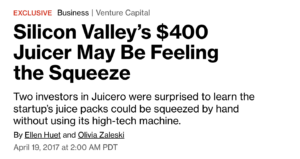
Selling produce packs on subscription was a reasonable business model. The flaw was the belief that a $699 press added value beyond the pack itself.
We believe that customers will pay $699 for a press rather than squeeze a $7 pack by hand. To verify this, we will sell packs alone to 100 households and offer the press as an optional add-on. We will measure how many households purchase the press. We are right if 30 of 100 households buy it.
Comparison
Quibi’s assumption concerned demand, Humane’s concerned habit, and Juicero’s concerned value. A landing page or a prototype in the hands of real customers, which the readings describe as the fake door and concierge methods, would have tested all three assumptions. In each case, I would have run the test, set the threshold in advance, and allowed the result to determine whether the product should launch.
