
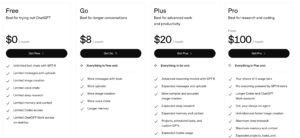
ChatGPT’s subscription tiers charge for access. You pay to use ChatGPT, whether its answers help you or not, and regardless of how much you use it within the tier. OpenAI carries the computing costs within the included rates, but usage limits and and paid extras keep the risk minimal.
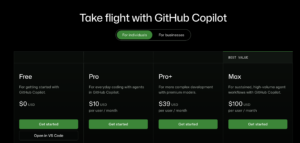
GitHub Copilot’s seat-based plans charge for each person’s access. A company pays for each developer, even if someone barely uses it or spends hours fixing its suggestions. GitHub covers the included usage, while additional AI credits can shift heavier computing costs to the customer. Paying for a seat doesn’t guarantee better code.

Intercom Fin charges for an outcome, measured by resolved customer conversations. This seems more fair because customers aren’t paying for every unsuccessful attempt. Intercom carries the computing costs of those attempts and expensive resolutions. However, what counts as resolved? Fin can count a conversation as resolved when someone leaves without asking for more help, but this doesn’t necessarily mean the customer was satisfied. The business still deals with unhappy customers, and its bill can grow as more conversations are resolved.
For Flipper, I would start with a monthly subscription per user, with clear usage limitations. Customers could predict their bills, and we could limit the risk of a few heavy users making Flipper too expensive to run. I’d be hesitant to charge for an outcome like “time saved” without a reliable way to measure it. I’d also not want to charge per meeting: we want to encourage users to use our product for every meeting. I also want to experiment with having a free and ad-based tier. As the reading points out, predictable pricing doesn’t help if smaller customers are priced out.
