
Netflix, YouTube, and Airbnb are each engineered around different business imperatives.
Netflix: The Curation Trap
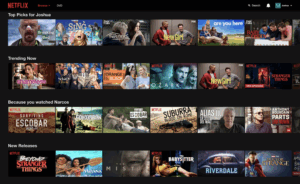
Netflix buries search, with their homepage being 80% algorithmic rows (“Because you watched…,” “Trending Now”).
Netflix’s business model depends on session duration, not precise matching. If you search for “comedy,” find one show, and leave—that’s a failed session. Algorithmic rows surfacing “just one more” option keep you engaged longer. Autoplay between episodes isn’t a bug; it’s the core retention mechanic. Netflix doesn’t want you to find what you want quickly, but rather discover what keeps you watching.
Hence, users who know what they want feel frustrated, but that friction is acceptable if it maximizes watch time.
YouTube: Search Meets Infinite Scroll
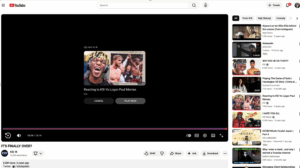
YouTube hedges both bets: search is prominent (top-center, always visible), but the homepage algorithm is equally aggressive. YouTube’s revenue model requires ad impressions per session, needing both high-intent searchers (quality ad views) and ambient browsers (volume).
The “Up Next” sidebar does heavy lifting, where even deliberate searches get hijacked toward higher-engagement content—optimized for watch time, not relevance. You search for tutorials, end up watching commentary. That’s not failure; it’s YouTube extending sessions.
Airbnb: Filters as Trust Signals
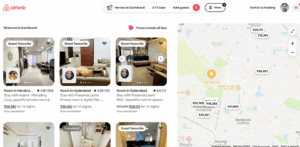
Airbnb is filter-obsessed: price, amenities, location, cancellation policy, Superhost status—personalized with 30+ filterable attributes. In this case, filters drive discovery.
Airbnb requires booking conversion, not engagement time. Users need confidence before paying strangers. Filters reduce perceived risk by narrowing to “homes meeting exact needs.” Each filter click signals intent, letting Airbnb rank by conversion likelihood.
In this case, filter paralysis exists, but precision beats serendipity when money’s involved.
____________________________________________________________________________________________________________________________
“Discovery design reveals business priorities. What users want matters less than what keeps the business running.”



