Netflix
Netflix relies heavily on a recommendation algorithm to suggest new shows and movies based on viewing history. Their goal is simple: keep people watching and minimize decision time. As seen in this screenshot, Netflix excels at tailoring the homepage to individual tastes, with categories like “You Might Like” or “Catch Up On” that feel personally curated. The search bar is deliberately de-emphasized – tucked away in the corner – because Netflix is reliant on people watching shows – not searching for them. By providing so many options that are so conveniently laid out, Netflix is more likely to have satisfied customers and a higher retention rate since they are providing sufficient entertainment options.

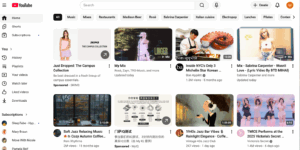
Youtube
Unlike Netflix, YouTube embraces both search and algorithm. The search bar sits prominently at the top of every page, inviting you to look up exactly what you want. But once you’ve watched that video, YouTube’s real strategy kicks in. YouTube thrives on rabbit holes. You arrive to watch one video and leave two hours later after getting pulled in by the Youtube suggestions. YouTube runs on ad revenue, which means more videos watched equals more ads shown. The algorithm is ruthlessly optimized for session length, serving up an endless sidebar of “related videos” designed to keep you clicking on new videos.
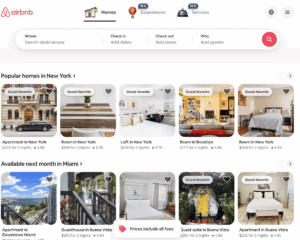
Airbnb
While Airbnb shares YouTube’s emphasis on search, Airbnb provides extensive filtering options designed to help you find exactly what you want. The homepage centers on a prominent search bar where you enter your destination, dates, and number of guests. After your initial search, Airbnb offers layers of filters: location refinement, price range, property type, amenities, and more. Unlike Youtube, Airbnb does not benefit from you browsing endlessly. Every filter is designed to narrow possibilities and accelerate decisions, maximizing for booking conversion.