Before this class, I still felt unsure how I could apply psychology to my interests in computer science. However, this class helped me understand how to design with human behavior and psychology in mind, leveraging what we know about how we act, behave, and think to design more thoughtful solutions.
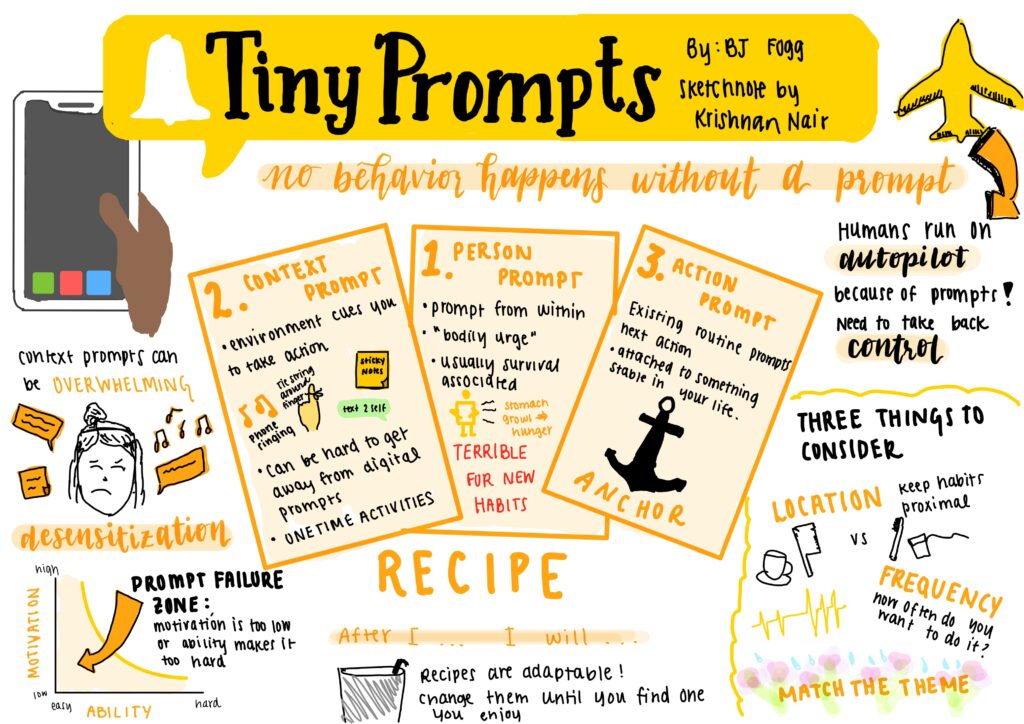
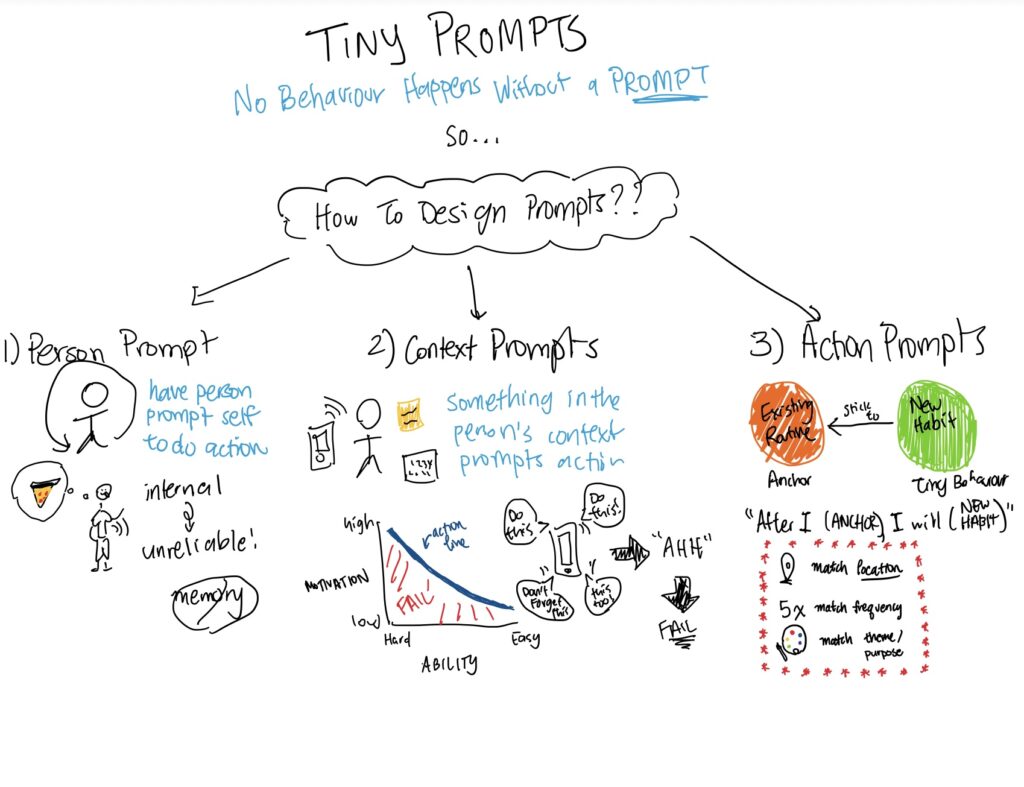
I loved the different activities and strategies we discussed in class to capture baseline human behavior and test interventions based on psychological theory. For example, we drew different diagrams, like the fishbone diagram, to help us visualize different patterns in our lives, wrote down our behavior every 15 minutes for several days to accurately capture our daily life, and also observed participants with no intervention. For our group project, we used anchoring as an intervention to help participants become more consistent with their microlearning, and it was super cool to see psychological theory in action.
I was surprised by how many insights we could extract from both the baseline and intervention studies, and how crucial each insight was to informing our design. For example, our biggest insight was that people’s biggest barrier to microlearning was activation energy, rather than time management, and that completely shifted how we designed our final solution. I also found creating personas for different types of participants incredibly helpful, and was surprised at how many common patterns we could find across our participants (and also how different some groups of participants were).
This class was different from most of the classes I’ve taken at Stanford in that we focused the most on blending theory and user insights with design rather than coding up an implementation or purely focusing on theory. I think I’ll remember the entire design process we learned in class for a while, because I found it incredibly helpful in diagnosing some of my own habits that I want to tackle, and I believe I’d want to continue designing and/or building in this space in the future.
I also loved how thoughtful the ethics discussions in class were. Even though this class wasn’t AI-centric, I was surprised by how behavior design is ultimately related to AI, and how every product has at least one nudge that targets human behavior. I did become slightly concerned about how society determines the line between a good and a bad nudge, or even a good and a bad habit, and it’s definitely something I want to keep in mind as I keep designing and creating. I’m happy that our project focused on something delightful (learning as something fun and easy), and I think I’d want to continue in this direction, focusing on “unserious” behaviors that don’t really toe the line between good and bad.
I wish this class were longer because I was curious whether our intervention (anchoring) could actually produce sustained results, and whether we could actually recruit more users who might be interested in the app. Overall, I’m super happy I took this class, and super excited to continue blending psychology and HCI to design and create cool, fun solutions!