Netflix
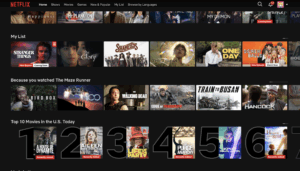
I share my Netflix account with my family, so I really appreciate the separate profiles and personalized algorithms for each user. Netflix’s homepage is organized with curated categories and a “Top 10” list, which makes it easy to find what’s trending. However, I often spend more time scrolling through recommendations than actually watching something. This seems intentional, Netflix’s model values overall engagement time and keeping users active on the platform, even if that means browsing or letting a show play in the background. The platform’s design clearly supports its goal of maximizing total watch time.
YouTube
On YouTube, I find it a bit harder to discover something new compared to Netflix, but the platform does a great job suggesting related videos once you start watching. Most people come to YouTube already knowing what they want to watch, and the algorithm builds from that. I like how subscriptions make it easy to stay updated when favorite creators post new content. On the downside, ads have become much more intrusive over the years. What used to be one short ad at the start can now turn into multiple long ones, sometimes even with pop-ups under the video title. Still, YouTube’s dominance as the default video platform helps it maintain engagement, which is key for generating more ad views and revenue.

Airbnb
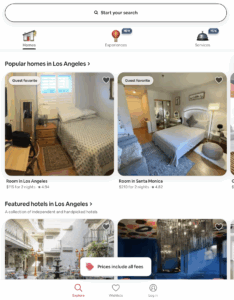
Airbnb’s browsing experience feels more structured and filter-heavy than the other two platforms. Once you enter your destination and travel dates, it automatically shows top-rated or “guest favorite” listings, which makes decision-making faster. I like that it clearly displays the total price, including fees, so there are no surprises at checkout. The extensive filter options, covering everything from price to amenities like self-check-in. It lets users customize their search for the perfect stay. This level of control supports Airbnb’s business model, which depends on quick booking conversions.