
Overwhelmed Olivia is a busy professional who is constantly juggling multiple tasks and deadlines at work. Despite her best efforts to stay organized and on top of her to-do list, Olivia often feels overwhelmed and stressed out by the sheer amount of work she has to complete. Olivia has tried various time management techniques, such as prioritizing tasks and breaking them down into smaller steps, but she still finds herself struggling to stay focused and productive. Distractions such as email notifications and impromptu meetings only add to her frustration.Olivia has found that setting aside dedicated blocks of time for focused work, and minimizing distractions during those periods, has been the most effective strategy for her. She also makes a point to take breaks throughout the day to recharge and avoid burnout. Going for a walk or doing a quick meditation session helps clear her mind and refocus her energy.
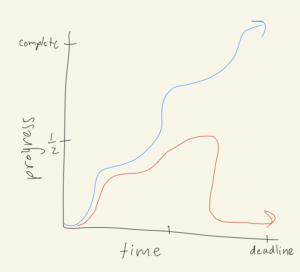
Overwhelmed Olivia has a big presentation due at work in two days. She wants to feel confident and prepared when she delivers the presentation, but she’s feeling overwhelmed by all the work she still has to do.Overwhelmed Olivia is determined to get this presentation done right. She starts by making a detailed to-do list of all the tasks she needs to complete. She also sets specific and achievable goals for each day leading up to the presentation. This helps her feel a sense of progress and control over the situation. At the halfway point, paths diverge. Olivia has either made significant progress or she feels like she’s falling behind. This pivotal moment decides everything: will she continue working diligently towards her goal or will she let her stress and anxiety get the best of her? If she’s made enough progress, Olivia feels motivated and energized to keep going. She stays focused, takes breaks when she needs to, and makes steady progress towards completing the presentation. However, if she feels like she’s falling behind, she may become overwhelmed and procrastinate. She may find herself getting distracted by emails, phone calls, or other tasks that are not as pressing.
Overwhelmed Olivia’s journey highlights the importance of setting realistic goals, tracking progress, and staying motivated. Intervening before she reaches the critical midpoint, by taking breaks, talking to a colleague, or reminding herself of her end goal, can help her stay on track and avoid procrastination.



