
Netflix, YouTube, and Airbnb each help users find content in ways that match their business goals.
Netflix focuses on keeping people watching. Its homepage is full of personalized rows and autoplay previews that make it easy to start watching something quickly. The goal is to reduce friction because the less time users spend deciding, the more time they spend streaming. Because Netflix makes money from subscriptions, it cares most about keeping users engaged for as long as possible.

YouTube combines search with recommendations. Users can search for exactly what they want, but the algorithm also suggests related videos to keep them watching. This balance of control and discovery helps YouTube maximize ad views, since more watch time means more opportunities to show ads, leading to more revenue for YouTube.

Airbnb takes a different approach. Its design is very beautiful and is focused on filters, maps, and availability so users can quickly narrow down to listings that fit their needs. The goal isn’t to keep people browsing but to help them find and book a place. Since Airbnb earns revenue from bookings, its product is optimized for conversion rather than engagement time. They make it incredibly simple to book a listing that you find interesting.
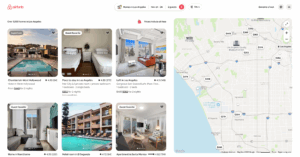
Each of these interfaces reflects its business model. Netflix optimizes for engagement, YouTube optimizes for ad inventory, and Airbnb optimizes for bookings. Each of these platforms was meticulously designed to achieve their revenue metrics. The main takeaway here is that the way users find content should directly support how the company drives revenue.
