
Slack
Slack’s primary goal is workplace retention—they aim to keep the same organizations consistently using their platform. Slack serves the purpose of a more casual and real-time messaging platform. So, if the error of not receiving notifications were to arise, Slack’s customers would be dissatisfied, since the real-time aspect of the platform would be malfunctioning. For a recovery flow to protect Slack’s revenue stream (corporations consistently renewing accounts), Slack would need to prioritize a quick recovery which communicates the issue and immediately fixes it.
Uber
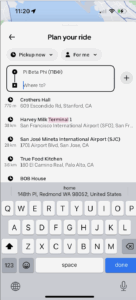
Uber’s primary goal is ride completion—ensuring that the full process, from initiating a ride request by searching for the drop-off location to concluding a drive at that very drop-off location, is completed smoothly. One error that could prevent ride completion is significantly underestimating the wait time for the rider. If the rider expects to wait X minutes for their ride, but has been waiting for, for example, X+5 minutes, they might be inclined to cancel their ride and opt for a competitor. In the case where the wait time is taking some threshold longer than its expected time, Uber’s recovery flow should offer Uber credit immediately to dissuade the rider from cancelling the ride, ensuring that ride completion is prioritized.
Banking App
A banking app’s primary purpose is trust maintenance—ensuring that the customer has a consistently strong sense of trust that the application and their money/information are secure. An error which could prevent trust maintenance is if the platform were to get hacked and information were to be publicly leaked. This is the worst case scenario, where the recovery flow would need to immediately fix the security gaps that allowed this error in the first place. Additionally, the bank application should instruct the users on their exact next steps and assist them along the way.
