Cross-platform comparisons of error handling and recovery flows
Slack (workplace retention)
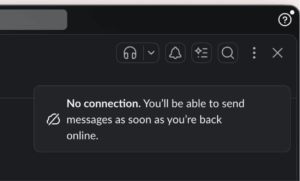
Errors in Slack can be bucketed into authentication errors (ie. SSO failures), sync/messaging failures (ie. messages not loading/updating), connection errors (ie. service unavailable, buttons not working), and third party/integration errors (ie. Google Drive connection). The business cost of each type depends on its impact on workplace efficiency, so while occasional latency spikes pose as minor productivity loss, outages that obstruct individual and team workflows (ie. lost unsaved work, lengthy outages) or that decrease trust (ie. sync failures not notified, security issues) can lead to a decline in enterprise renewals. Recovery flows aim to quickly recover/restore progress and report the error/status to preserve system trust without any debugging on the user’s end, avoiding productivity loss. Casual, high-level error messages provide recovery status and guidance on when the user can continue their workflow (“Slack is attempting to connect…”) for a hands-off recovery experience, while recovery protection mechanisms run in the background to prevent session disruptions.
Uber (ride completion)
Uber’s brand depends on trust and reliability that each requested ride will be successfully completed without cancellations. Errors can occur from the system (ie. ETA inaccurate, location mismatch, app crashes, payment failures), marketplace imbalances (long match time, no driver assigned, surge pricing), and even user errors (location input errors). The business cost depends on potential for ride cancellation, which results in revenue loss and rider/driver churn with longer wait times and difficult pickup/dropoff experiences. To ensure trip continuation and optimize ride time without impeding on the driver experience, recovery flows are automatic without noticeable disruption, such as network rerouting to backup servers, driver reassignments after cancellations, and automatic state recovery after app crashes or connectivity issues to prevent unintentional ride abandonment. For payment processing errors after a request, ride completion is still prioritized and the user will be prompted for another payment attempt to book their next ride.
Banking apps (trust maintenance)
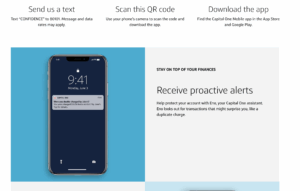
Primary error types in the digital banking user journey include login failures, balance sync errors (ie. delayed updates), payment/transfer failures, and compliance risks (ie. data privacy violations). Since users interpret even minor glitches as potential security risks, impact on trust and credibility can cause immediate churn, reducing deposits and revenue and extending to operational costs from high support volume requests, audits, and potential customer compensation for severe violations. Recovery flows focus on trust preservation, and unlike Slack and Uber, seek timely user involvement – unusual activity gets flagged for review, large transfers require confirmation, and low balances trigger notifications. Error messages for transaction failures prioritize fund status and quick access to support (direct phone numbers and links). This transparency gives users confidence and control and protects core revenue streams tied to deposits, card usage, and daily account activity.