
Spotify
Spotify has a plethora of personalized radios, playlists, mixes, and recommended tracks. There is an entire page of playlists “Made for you”.
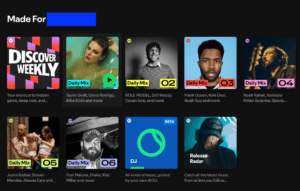
If Spotify can master personalization and push enjoyable tracks and playlists that keep users listening for longer, they can achieve more ad profit on the Free tier. With more churn from ads/interruptions, it also provides more opportunities for Premium conversion. The better their personalization algorithms, the more ads profit/premium users, the greater ROI.
LinkedIn sorts feed posts in order of relevance rather than chronology, and sends notifications about things you might care about. A bulk of their personalization also comes with the job or connection recommendations. Better feed ranking algorithms and more clickable notifications will keep users continuing to return to LinkedIn. This leaves more opportunities for ad profit. Better job personalization is the most important though, as the majority of LinkedIn’s revenue from the recruiting/talent search mechanisms. Investing in building better models for matching people to other people and to the right roles will definitely help with LinkedIn ROI.
TikTok
Since TikTok contains only one stream of content, their personalization models pick up on micro-signals (like likes/comments/dms) to predict the types of content you like to watch. This is why you stay doomscrolling on TikTok, but simultaneously identifies which TikTok’s ads could actually grab your attention. Better ads means more ad revenue, especially when we consider how TikTok makes it really easy to “Shop now” directly from the ad.
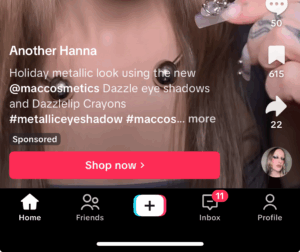
Personalization more generally also just hooks users onto TikTok for longer periods of time, providing more ad revenue. The tailored ads are just another level deeper. The better these personalization models understand the user’s taste, the more ROI.
