Amazon—Speed Optimized
Amazon’s check out process is optimized for speed and efficiency, requiring less steps and time for a customer to purchase a good from their website. With this model, Amazon can optimize for conversion rate. Meaning, they are working to ensure that their user experience optimizes for the number of people who go from opening the Amazon website to completing a purchase. The more Amazon can expedite the check-out process, the better their conversion rate will be. One feature I noticed that Amazon includes which optimizes for speed of process and prioritizes conversion rate is the option to “Buy now” rather than just being able to “Add to Cart” when viewing an item. With this feature, Amazon skips the step of adding to cart and then eventually buying from cart, and especially omitting the risk that the user’s initial excitement about the product will wear off or that they will simply forget that they added an item to cart (both resulting in abandonment of the cart). This, again, greatly contributes to Amazon’s goal of optimizing conversion rate. Screenshot of the option to “Add to Cart” versus “Buy Now” when on the page of the product is included below.

Warby Parker—Confidence Building
In analyzing any of these companies, it is crucial to consider what the product is that they are selling. Warby Parker, for example, is selling glasses. Glasses are quite a personal purchase—they must fit your face and your prescriptive needs. They need to ensure that a customer is making the purchase that is right for them and that they have high confidence in. So, in optimizing for building the customer’s confidence before they make a purchase, they are maximizing average order value. One way Warby Parker does so is by allowing their customers to “try glasses on” virtually, ensuring that the customer has high confidence in the purchase they make. Screenshot of myself virtually trying on Warby Parker glasses is included below.

Patagonia—Values Aligned
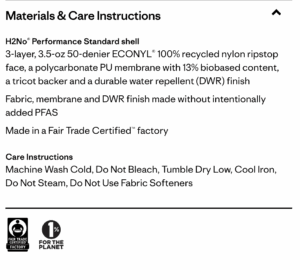
Patagonia consistently emphasizes its morals and priorities of sustainability and nature preservation to their customers, ensuring that their customer base is aligned with the company in terms of their values. Prioritizing value alignment with customers allows Patagonia to optimize for customer lifetime value—the customers that deeply align with Patagonia’s mission will feel more deeply connected to the company and more persuaded to come back and make more purchases. This is evident through many features on the Patagonia website, such as their material and features descriptions of any given product. On each product’s page, Patagonia showcases that the product was “made in a Fair Trade Certified™ factory” or that “Patagonia has pledged 1% of sales to the preservation and restoration of the natural environment”. Screenshot of Materials and Care Instructions below, with both a statement about being “made in a Fair Trade Certified™ factory” and the badge of pledging 1%.