Netflix, driven by subscriptions, is obsessed with engagement to ensure retention. Its user flow is one of passive discovery; it “pushes” content via personalized rows (“Top Picks,” % Match scores) to minimize “scroll fatigue.” Features like autoplaying trailers are designed to get you to press play on anything, constantly reinforcing the value of your monthly fee.
YouTube, an ad-driven business, needs inventory. It serves two flows: a “lean-forward” search bar for high-intent queries and a “lean-back” algorithmic homepage. The “Up Next” autoplay queue is the crucial bridge, turning a single search into an extended “rabbit hole” session that maximizes ad impressions. Categorical videos at the top (a relatively recent addition) also allow for more focused casual browsing.
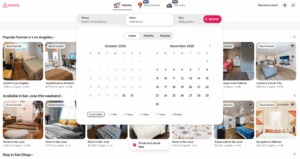
Airbnb is entirely different. Its commission model demands booking conversion. Its user flow is one of active anxiety reduction for a high-stakes transaction. Discovery is the feature set, for example heavy filters (Superhost, price), social proof (reviews), and prominent cancellation policies. These are the primary tools to build user confidence, overcome hesitation, and drive a user to click “Book.”