Assumption 1:
Notes:
Link to Google Form Sent to Trainers
Data:

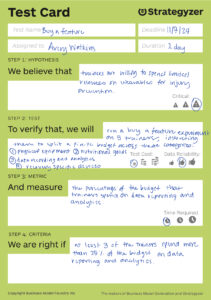
Common considerations that trainers cited as guiding their responses:
- Filling the gaps
- Stanford has a substantial budget for the other categories, so I spent in analytics where Stanford has less budget set aside
- Stanford does not provide items equitably for all teams, so I spent on nutritional access and data trackers which my teams otherwise wouldn’t have access to
- Considering what we already have access to and what is in the plans for the whole athletic department vs what’s specific to women’s soccer.
- Analytics tools are expensive
- Most bang for your buck – lots of software are expensive and $30k one time isn’t going to cover much.
- What tools are known to provide ROI
- “I thought about what is going to move the needle long term, what is research backed and how our tools impact recruiting”
Take aways:
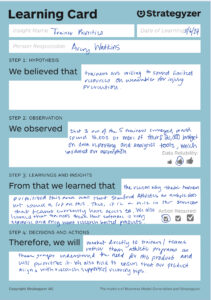
- At a macro-level Stanford athletics is not prioritizing budget for analytics.
- Trainers see data analytics and reporting as important and would dedicate resources to it.
- Trainers want to spend on products that have a clear ROI, in terms of their players health and performance.
Assumption 2:


NOTES:
Link to form athletes completed
- Of the 5 respondents, three of them completed the self report form 2/3 of the tested days
- Of the 5 respondents, two of them completed the self report form 3/3 of the tested days
- The texts were sent out at 9pm every day, leaving some responses later or overnight
- Some athletes needed an extra reminder to fill out the form
- Response times fell into two categories:
- Athletes would respond quickly, within 30 minutesof the ping
- Athletes would respond slowly, several hours later or the next morning
- Day 2 most sports had practice off, many athletes reported low pain and fatigue
- Only two of the athletes used the free response prompt toreport substantial feedback to the trainer, but these two did this every day
Data:


Assumption 3:


Notes:
- Athlete 1 (E)- recently injured athlete with extensive recovery plan to be back at practice before season starts
- Ideal reminder time: 3PM
- Day 1: Did not complete
- Day 2: Completed
- Day 3: Completed
- Comments: Athlete improved adherence as the experiment went on, found it helpful to have this time reminder
- Example Reminder:

- Athlete 2 (M)- non-injured athlete currently in season with teammates recently injured
- Ideal reminder time: 9PM
- Day 1: Completed
- Day 2: Completed
- Day 3: Did not complete
- Comments: “Wait thank you, I actually needed this reminder”
- Example Reminder:

- Athlete 3 (B)- Pre-season athlete ensuring she does not get injured before season starts
- Ideal reminder time: 3:30PM
- Day 1: Completed
- Day 2: Completed
- Day 3: Completed
- Comments: Athlete was very excited to receive pings and complete recovery. She even sent us photos documenting her recovery steps!

- Example Reminder:

- Athlete 4 (T)- Out of season athlete looking to build a more consistent recovery routine
- Ideal reminder time: 10:30PM
- Day 1: completed
- Day 2: completed
- Day 3: did not complete
- Comments: On day 1 and day 2, athlete responded with “I actually will go roll out right now” immediately after the reminder was sent.
- Example Reminder:

Additional Info:
Team Plan for Pinging Athletes (names removed for privacy)