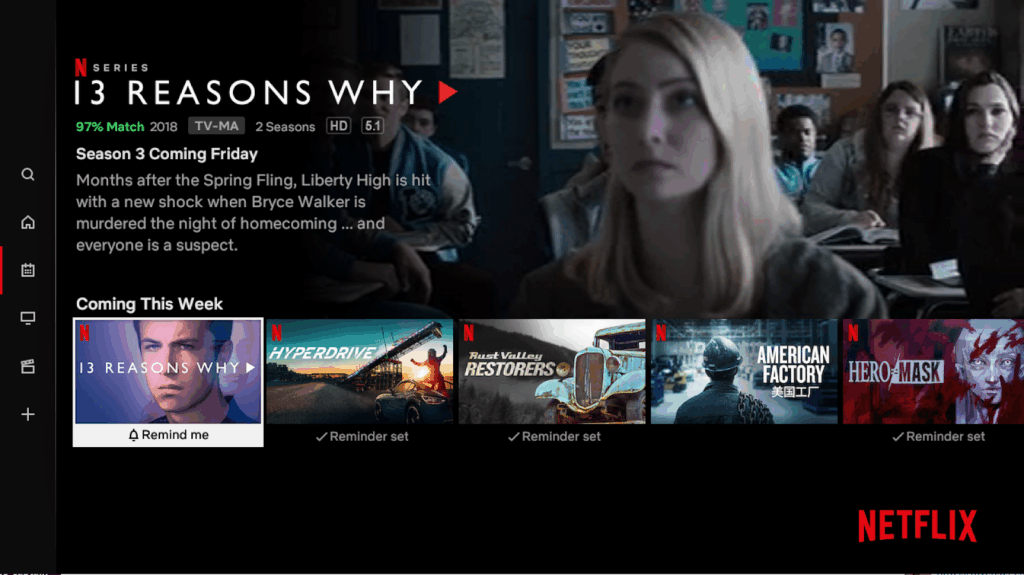
Netflix: The Invisible Hand of Personalization
When you open Netflix, you rarely find short options. Instead, you’re greeted with lots of shows and movies carefully sorted by Netflix’s recommendation algorithm. As you keep watching, Netflix learns your preferences over time. I didn’t understand this at first, but I began to understand how effective it was when I began to watch my shows and movies of suspense and horror. But at the same time, beyond allowing you to find your niche, this setup makes it easy who don’t have a specific title in mind to simply start watching something with no effort. And for those who binge-watch multiple shows on weekends till dawn, Netflix discourages users (thanks to its design) from manually searching a show and rather recommends what’s most popular or trending on the platform.
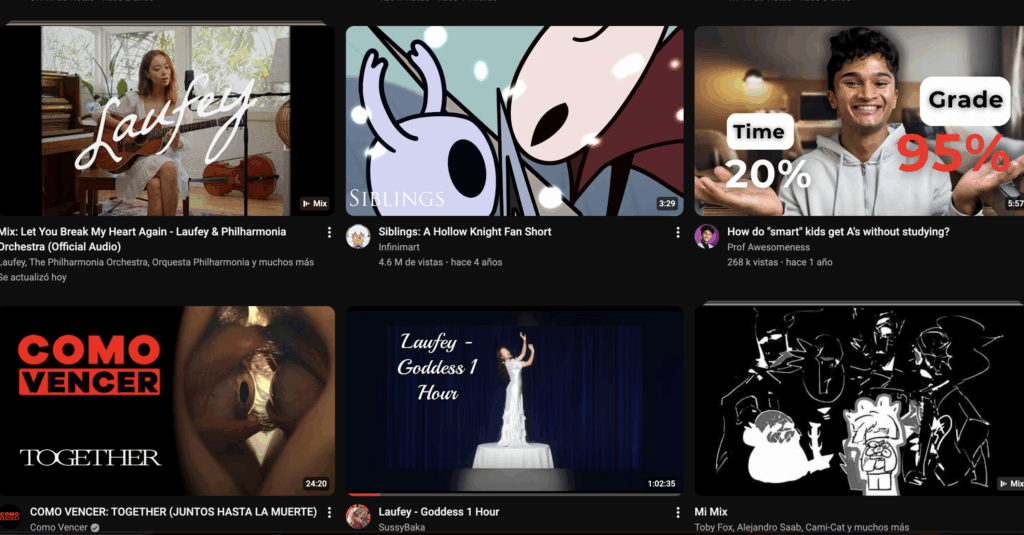
YouTube: Recommendations are becoming too personal!
Like Netflix, YouTube serves individuals who know or don’t know at all what they want to watch, yet it is unique in that it does this more easily by getting you to move quickly and easily from video to video. On Netflix, people usually finish an entire movie or show in a single session, and while YouTube does have long-form content, YouTube is primarily full of more casual videos that naturally lead you to jump to all types of content, whether it’s tutorial videos, vlogs, music videos, or even, in recent years, shorts! a video format that copies TikTok. Even more important (and maybe creepy at the same time) is how YouTube’s next video recommendation is based on your viewing history, showing real-time recommendations based on your clicks and skips. A design to keep users engaged, and ad views up, but at the same time, that makes me question its ethical applications and privacy security for the user.

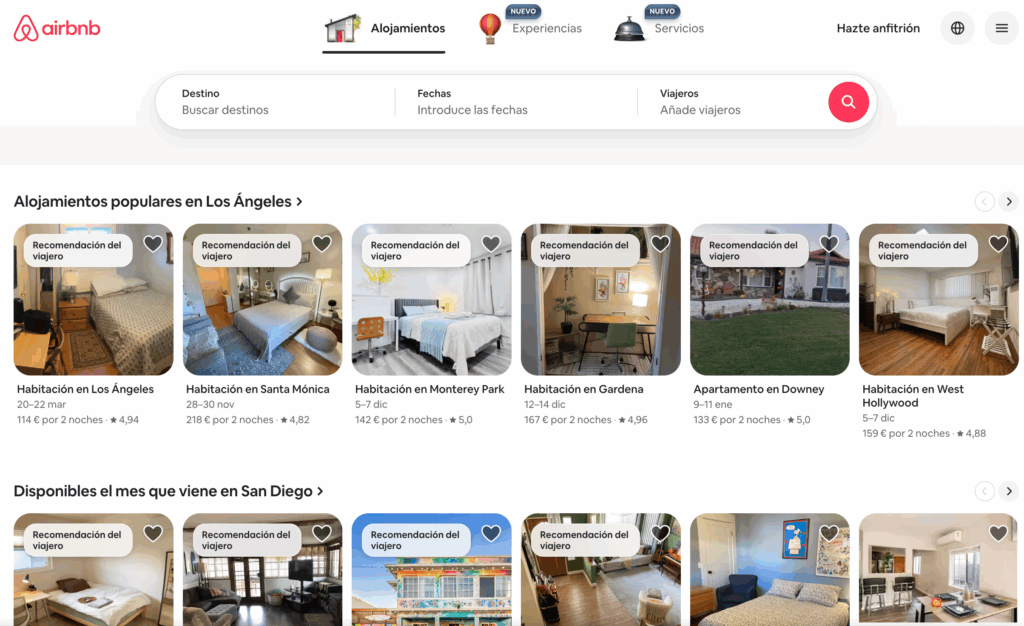
Airbnb: Filtered Browsing for Decision Confidence, but sometimes it really takes a long time to decide!
Although Airbnb changes the usual way people look for places to stay by using many filters, from location, price, room type, and special amenities, to simplify what would otherwise be an overwhelming number of listings, in comparison to YouTube and Netflix, it may take a user some hours to really find what they want because 1)They are purchasing a physical place to stay in! 2) There are too many options and everything can change depending on the date or the number of guests! But with recent changes, these filters, users are able to curate a more focused and intentional experience that allows them to find exactly what they’re looking for. And now with more transparency, including all fees associated with the cost of staying in the house of selection!