
Netflix, YouTube, and Airbnb each guide discovery differently because their goals and user intentions diverge, these being engagement for Netflix, ad inventory for YouTube, and transaction conversion for Airbnb.
Netflix: recommendation-heavy engagement
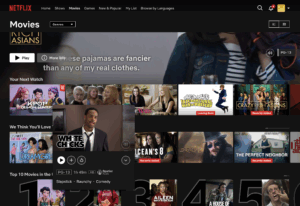
Netflix’s interface is built around algorithmic discovery. The homepage layers categories like “Your Next Watch” and “We Think You’ll Love” to keep users in a flow of recommendations rather than browsing intentionally. As you can see in the image, each thumbnail auto-previews and the play button is always visible, reducing friction and keeping users watching. This supports Netflix’s subscription-based model: the metric of success is engagement time and retention, not transactions or clicks.
YouTube: search-driven but algorithmically expanded
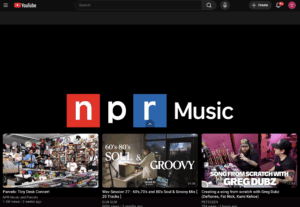
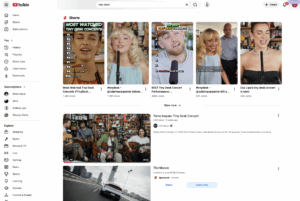
YouTube begins with active intent. Users type something like “tiny desk,” as I did in my screenshot, but the algorithm immediately amplifies discovery through Shorts, suggested videos, and recommendations. In the first YouTube image, search results mix Shorts, ads, and the official NPR performance. I can imagine Shorts are being prioritized as engaging in shorts leads to staying on the platform for longer than watching one individual video might. When you start watching a video and scroll up, as shown in the second image, YouTube automatically suggests similar performances and topics, increasing engagement loops. This supports YouTube’s ad-based business model: revenue scales with total engagement, ad impressions, and the number of videos watched, rather than a single conversion.
Airbnb: filter-heavy transactional browsing
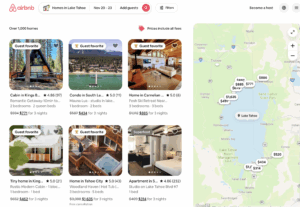
Airbnb prioritizes structured search and comparison over algorithmic flow. Users filter by location, date, and price, then scan listings visually. As seen in the image, filters and map placement guide decision-making, while transparent pricing reinforces trust and intent. Each interaction moves the user closer to a purchase, optimizing for booking conversion rather than dwell time.
These differences stem from how each platform defines success. Netflix designs for sustained engagement, YouTube for repeated interactions and ad exposure, and Airbnb for confident, high-intent transactions. Their discovery models (recommend, suggest, or filter) align with what keeps each business growing.
