
Spotify
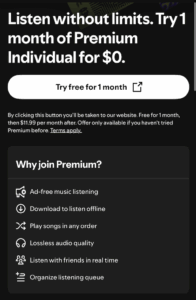
Spotify lets anyone stream music for free but interrupts with ads, limits skips, and removes offline playback. This setup works because users can keep listening, but the small inconveniences add up. Paying for Premium removes those annoyances. The risk is that too much friction could drive users to Apple Music or YouTube, but Spotify’s personalization and playlists keep people hooked, increasing lifetime value as habits form.
Figma
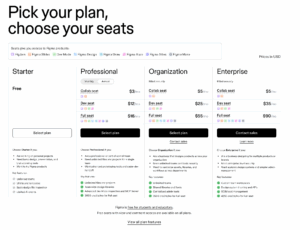
Figma gives individual users nearly full access. You can design freely until you need to collaborate, but then you hit a paywall. This makes sense because most users start solo, then invite teammates once they see the tool’s value. The company bets that teams will pay when collaboration becomes necessary. The risk is that some users might stop growing before reaching that point, but team-based upgrades compound revenue over time.
New York Times
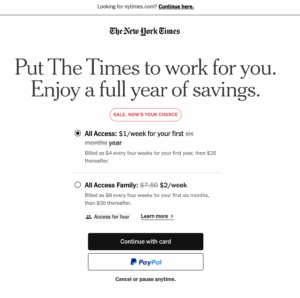
The New York Times gives a few free articles, then stops you mid-story with a paywall. The free tier builds habit and trust and the block arrives once readers feel invested. The risk is that readers might turn to other news outlets, but the Times strengthens lifetime value by bundling news with games, recipes, and newsletters that keep subscribers engaged.
Each product accepts some friction and some loss of free users. The key is placing the wall where intent peaks so paying feels like the natural next step.
