Slack
From what I’ve observed, Slack’s success depends heavily on keeping workspaces stable and collaboration seamless. When messages fail to deliver, outages occur, or search and indexing slow down, teams immediately feel the impact through disrupted workflows and lost momentum. These issues often translate into fewer active users, more support tickets, and even churn when organizations start questioning Slack’s reliability for mission-critical communication.
To support recovery, I’ve noticed that transparency plays a major role: real-time incident pages, in-app status banners, automatic reconnection, and draft preservation all help minimize disruption. By keeping people informed and making sure their work isn’t lost, Slack maintains user trust, which ultimately supports renewals and steady per-seat growth.

Uber
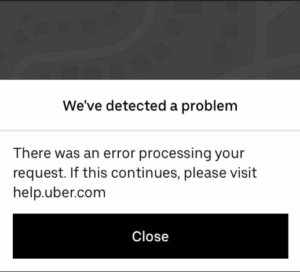
In Uber’s case, even small issues can directly affect revenue because of how tightly the marketplace is balanced. GPS errors, payment failures, mismatched drivers and riders, or slow trip-status updates can quickly lead to cancellations or abandoned rides. Even a small drop in ride completion can ripple across marketplace liquidity at scale.
The recovery flows I’ve seen focus on fast, real-time corrections—automatic rematching, backup payment options, proactive fare adjustments, map recalibration, and quick troubleshooting prompts. These rapid fixes help keep trips moving, maintain engagement for both riders and drivers, and protect Uber’s take-rate revenue.
Banking Apps
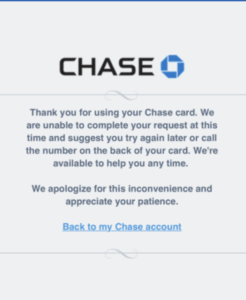
In banking apps, errors come with higher stakes because they can threaten both trust and regulatory compliance. Failed logins, inaccurate balances, delayed transfers, or unexpected card declines tend to trigger customer anxiety, support escalations, and in some cases, account switching. Since deposits and long-term customer relationships drive a bank’s revenue, even a single serious mistake can impact lifetime value.
The recovery patterns I’ve observed emphasize clarity and security. Transparent explanations, audit trails, secure re-verification, and dependable timelines for resolving issues. Consistent reliability reassures customers that their money is safe, which helps protect deposits, interchange revenue, and opportunities to cross-sell additional banking products.