

On Spotify, personalization shows up through recommendation systems like Discover Weekly and Daily Mixes, which increase listening time by building emotional resonance and musical “trust.” From a product-management perspective as we mentioned in class, this strengthens retention, which is the most important step in Spotify’s funnel, because the more the app feels tailored to me, the more essential it becomes in my daily routine. Even though compute costs for personalization are high, I believe the ROI is justified because it directly reduces churn and increases the long-term value of both free and Premium listeners.
On LinkedIn, personalization focuses less on depth of engagement and more on return frequency. The feed, job alerts, and “People You May Know” nudges create micro-reasons to come back, which aligns with what we’ve discussed in class about designing for habit loops tied to a specific success metric. LinkedIn’s business depends on repeat sessions to surface ads, recruiter tools, and premium features. When the personalization is relevant, I find the session-frequency metric strengthens. I think LinkedIn’s personalization has positive ROI, but it’s more sensitive to quality because irrelevant recommendations push users away from the reactivation loop they’re trying to optimize.
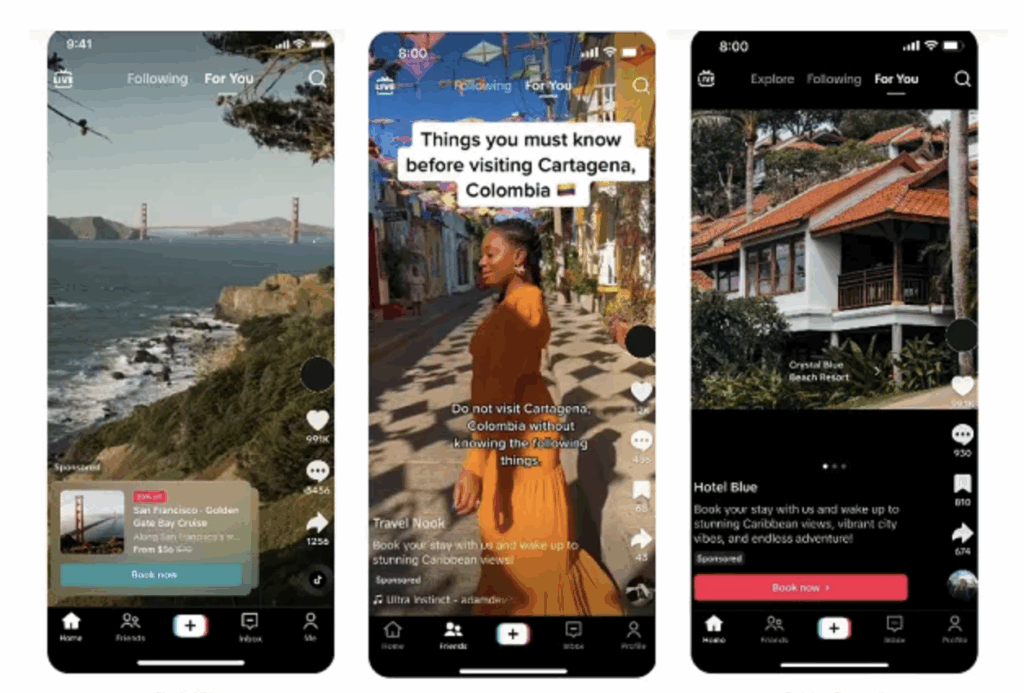
Last but not least, TikTok takes personalization to the extreme among the three. Its For You Page learns from every swipe to maximize watch time, which fuels the ad-targeting engine that drives revenue. This is the cleanest example of what we discussed in lecture about aligning personalization with the core value metric: more precise recommendations directly raise the price of each ad impression. TikTok’s personalization ROI is extremely high, but I believe it also introduces risks around user fatigue and algorithmic opacity that the product team must actively manage.



