
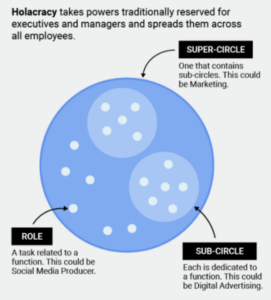
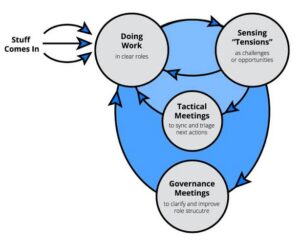
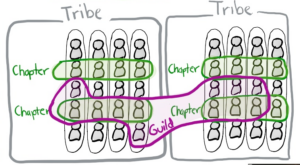
In Spotify, teams with different functions own a mission together and what they call tribes coordinate related squads together and each squad has a product owner guiding its work. The product manager or the product owner has to lead product priorities but is not the engineers’ boss. Another group of people called chapter leads handle people management. Product leadership and managing people are separate responsibilities and Spotify believes that works best under their business model. In Airbnb, their thesis is that because they have one product, they should move in one direction, and teams are organized to fit that goal. So, they’re organized by function, for example, design, engineering, and product marketing are all different teams. Brian Chesky and other senior leaders make major roadmap trade offs. The work that product managers do here is also combined with product marketing which helps define customer needs and move forward in a product direction. I think the trade off is that there’s more coherence within the product but less local independence. Zappos’s product management model or a holacracy basically organizes their work into nested circles and each circle has their own responsibilities. The people that hold the roles decide or make decisions within their own authority and the lead links set relative priorities within these decisions. One potential concern I have regarding this is that maybe discussing some of the role boundaries could replace time that they spent creating and shipping new products. I would actually want to work in Spotify’s model because I want to own a customer’s problem and be able to ship and make changes as I see fit. Also at the same time I think I’d like to borrow the idea that shared goals across different squads is also beneficial to the overall product.
