Usability Tests
We ran a heuristic evaluation with 5 PMs. Every screen was scored against Nielsen’s 10 usability heuristics on a severity scale from 0 to 4, along with other general feedback for usability. For cross-platform ease of use, we checked the app on desktop at two widths and once at a phone’s width. We then treated them as a way to clean up visible and obvious usability bugs that we then fixed in the code.
What we found and fixed
The core intended user loop worked from start to finish, but our evaluation turned up 24 issues during our testing. 3 issues were key usability limitations. First, the Google sign-in had a few bugs: the “Continue with Google” attempt sent users back to the sign-in page with no message (H1 system status, H5 error prevention), so Rooted now adds an error message for when login fails.
The second error was that when creating a decision, deadlines and review dates in the past were accepted, which made a brand-new decision instantly overdue, and those dates are now blocked with a red error (H5).
The third error was that on the decision page, the chat said no options existed while four were on the screen and leaked internal IDs like “d-pricing-seats,” so it now receives the options on the page and refers to each decision by its actual question (H2 system-real world match).
Most of the smaller issues came from Rooted not being clear about what was real versus placeholder mock data. A new account showed sources as connected months ago, the same decision had a different status on the Tree and in the List, and the bell count did not match the inbox (H4 consistency and standards). Signing in now clears out old demo data, every view shares one status, and the bell matches the inbox (H2, H4).
We also stopped the chat panel from opening on its own, made “Too early to tell” ask when to check again (H9 error diagnosis), kept typed summaries from being overwritten, added a Markdown export, and made error messages red so they no longer look like hints (H5). To check these fixes, we re-ran all five fixes at our varied screen widths. Overall, it took three more rounds and a code review to reach zero bugs.
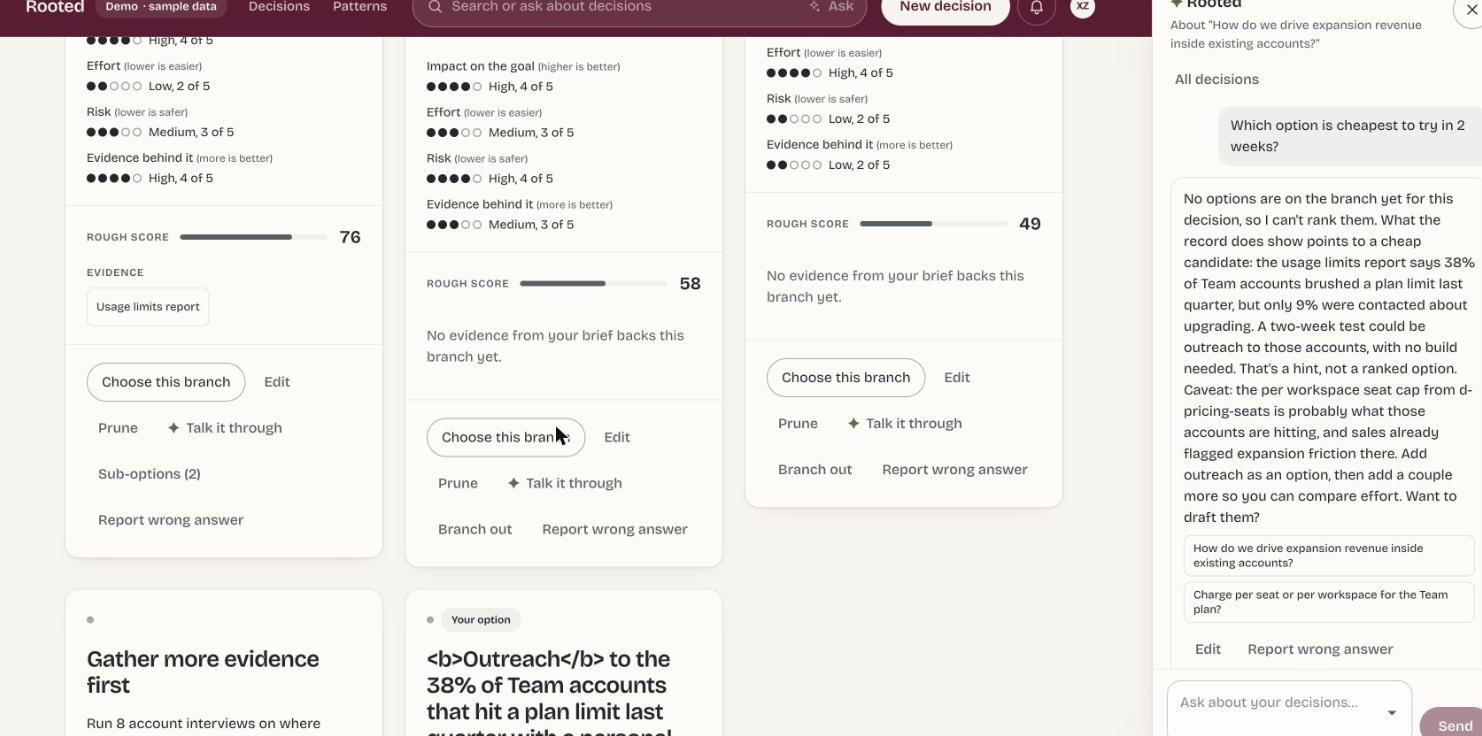
Figure 1. Before the fix, each option card had several equally weighted actions and no clear main one.
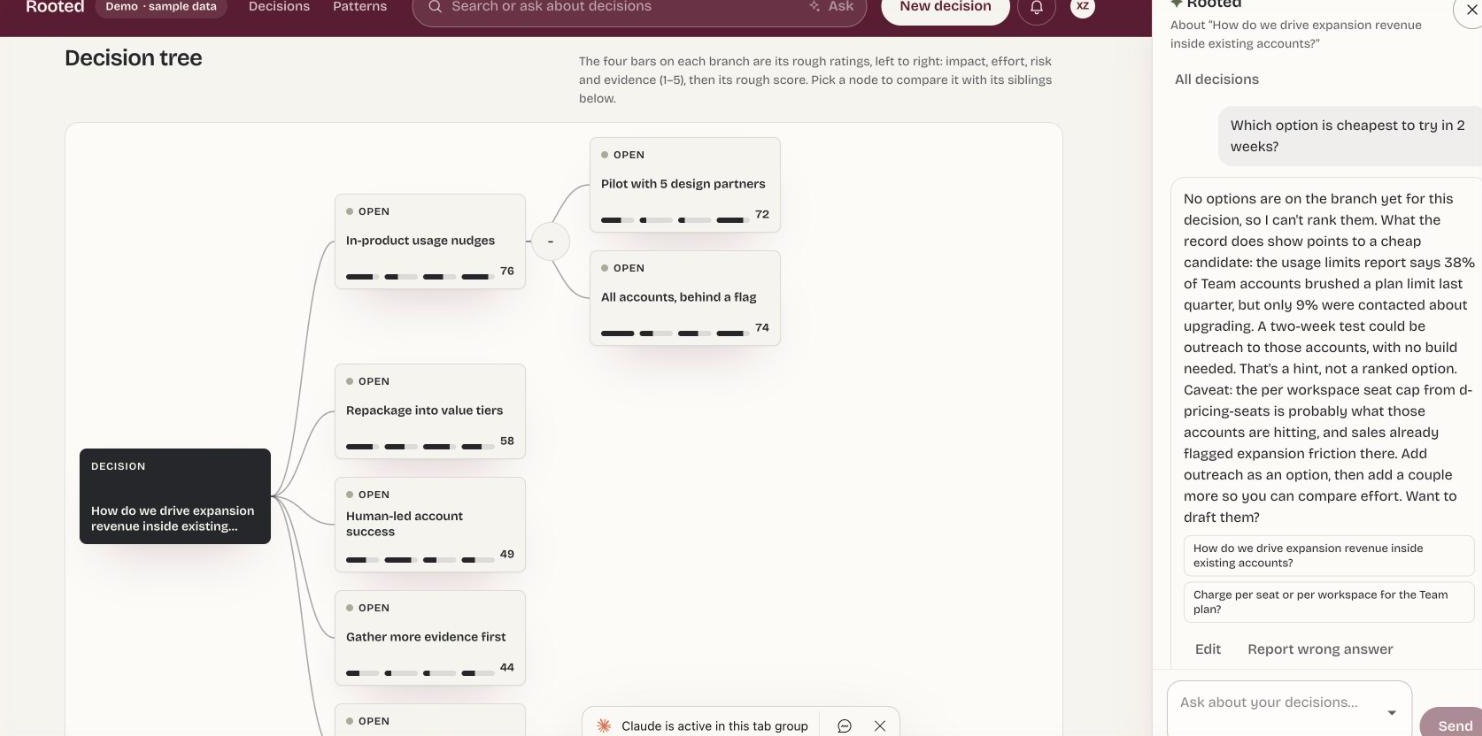
Figure 2. Before the fix, the chat said no options existed while the decision tree showed several, and it leaked the internal ID “d-pricing-seats.”
Go-to-Market Plan
Distribution
Rooted will be distributed online as a web app that PMs sign up for on their own, with Slack and Google Drive connected during onboarding. Startup PMs already spend their day in Slack and the browser, so a web link is the shortest path from hearing about Rooted to trying it. App stores and retail do not fit a tool that has to sit next to a team’s existing workspace, and a B2B rollout through IT would be too slow for small startups that do not have a decision process yet.
Sales Strategy
We plan to use self-service with a freemium model, so a single PM can try Rooted on their own decisions before bringing in their team. Our testing showed that sign-in and onboarding are where a self-serve PM decides whether to stay, which means the product has to prove itself in the first few minutes. Direct sales does not make sense yet, since our early users are small PM teams without a budget owner, and a sales call would add friction before they have seen any value.
Marketing and Promotion
With no budget, we will rely on word of mouth and short posts in the places startup PMs already gather, such as PM Slack communities, LinkedIn, and founder newsletters. Each post will lead with the two moments that stood out in testing: the gap questions that turn a vague decision into specific ones, and the evidence brief that shows exactly which sources Rooted read. This choice comes from Gourville’s “9x” effect in this week’s reading, which says buyers overweight what they give up. In addition to this, we would also rely on our Stanford and VC connections to spread the word about the platform. For Rooted, what PMs give up is trust in a tool that reads their Slack, so source transparency comes first in both onboarding and our launch messaging. Paid ads would not build that trust, and trust is what a tool like Rooted has to earn first.
Customer Service
After launch, support will start with an in-app FAQ and email. The FAQ will cover the questions our testing could not answer inside the product, such as what Rooted reads, how to export decisions, and how outcome nudges work. To keep users from getting stuck and leaving, errors now say what went wrong, and Rooted checks back on each decision’s review date, which gives quieter users a reason to return. A forum or live chat would be too much for a small team to staff at this stage.
[1] Jakob Nielsen and Rolf Molich, Heuristic Evaluation of User Interfaces (CHI 1990)