

Spotify’s personalization drives listening time, which directly impacts subscriber retention. Features like Discover Weekly, Daily Mixes, and Wrapped create a “you couldn’t get this anywhere else” experience. The ROI is clear: longer listening sessions mean lower churn and higher lifetime value. When users feel Spotify “gets” their taste better than competitors, switching costs increase dramatically.
LinkedIn uses personalization to increase session frequency—getting users to return daily rather than weekly. Their feed algorithm surfaces relevant posts, job openings, and connection suggestions based on your network and behavior. Each notification is designed to pull you back in. recruiters can also reach you in the mailbox.
The ROI here is advertising inventory. More sessions mean more ad impressions, which drove LinkedIn’s $15 billion in revenue in 2023. Their Premium subscriptions also benefit—frequent users see more value in advanced features.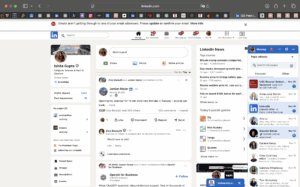
TikTok’s For You Page is perhaps the most aggressive personalization engine, optimizing for ad targeting precision. By learning what keeps each user scrolling, TikTok can place highly relevant ads that feel native to the experience.
The ROI is conversion rates. TikTok’s ads reportedly convert 3x better than other platforms because the personalization engine knows exactly what will resonate. This allows them to charge premium CPMs while delivering results that justify the cost.
Each platform invests heavily in personalization, but success looks different: Spotify measures it in reduced churn, LinkedIn in daily active users, and TikTok in ad performance. Personalization’s ROI depends entirely on what metric actually matters to your business model.



