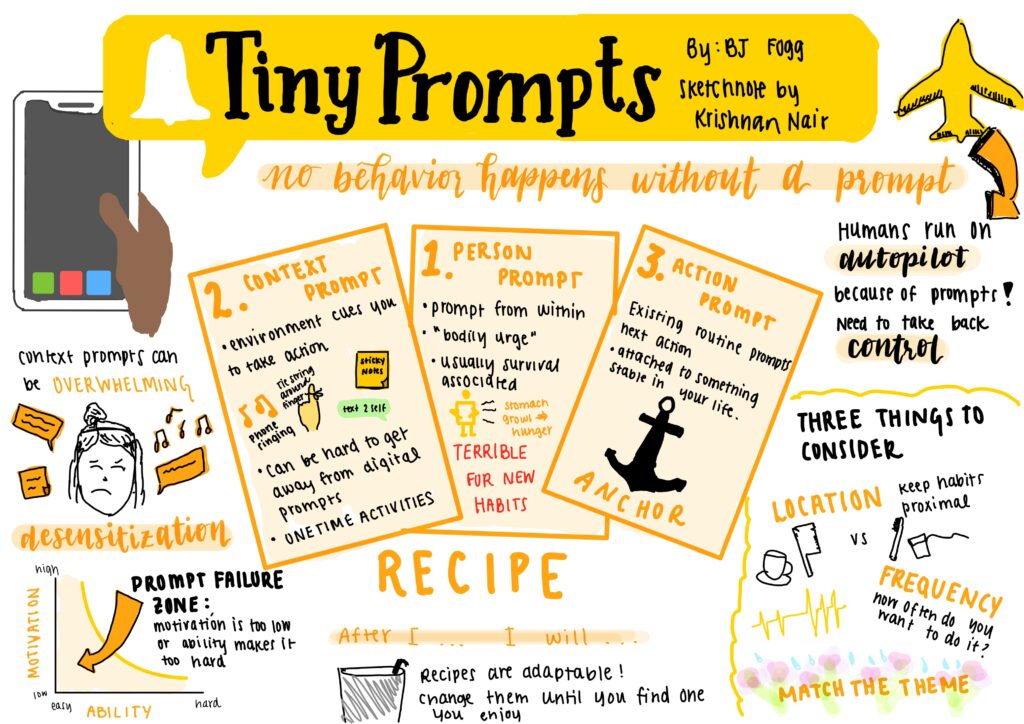
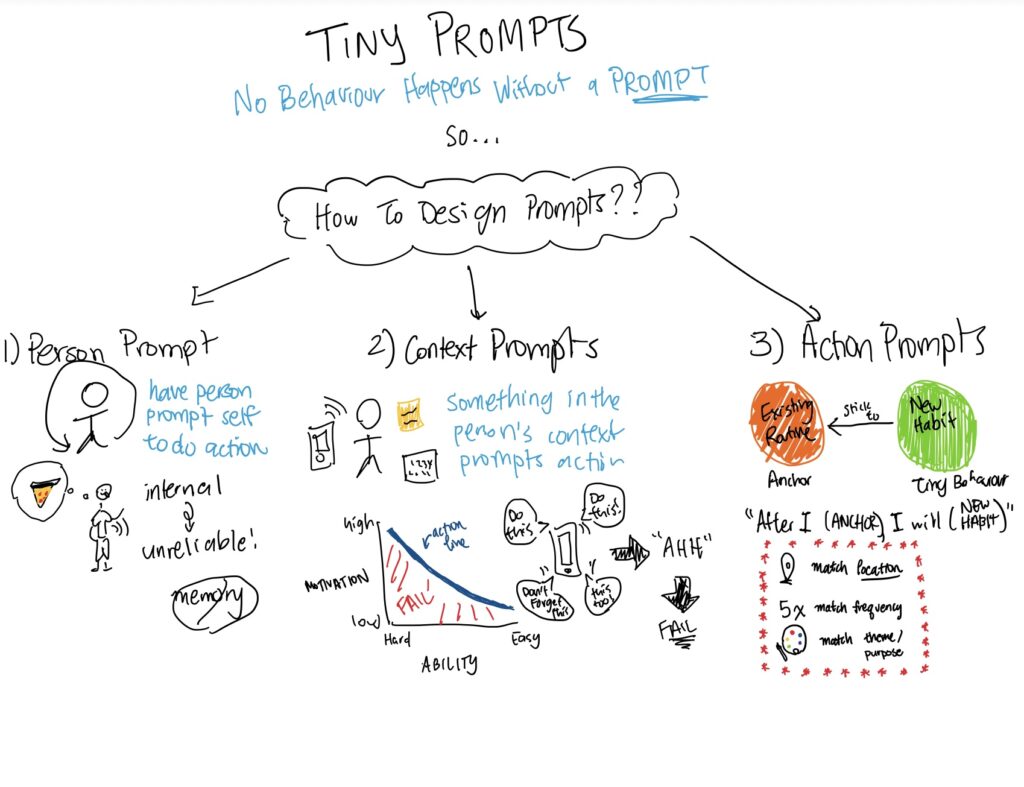
The habit I focused on changing was going on my phone late at night, first thing in the morning, and picking it up throughout the day for no real reason. By unnecessary phone use, I mean opening my phone out of boredom, curiosity, or habit rather than to respond to a text or complete a specific task. I’ve noticed this happens most when I’m tired, between activities, or lacking structure.
I tracked this behavior over two days using Screen Time and self-observation. On Sunday, I spent about 5.5 hours on my phone with roughly 169 pickups. That day was more unstructured, and I found myself lying in bed longer in the morning and using my phone more while eating or resting. On Monday, I spent closer to 4.5 hours on my phone but had around 218 pickups. Even though total screen time was lower, I was checking my phone more frequently because I was busy with calls, emails, and logistics. One surprising pattern was that turning on Do Not Disturb often increased phone checking, since it made me more curious about whether I had missed something.
I also noticed a strong relationship between structure, fatigue, and phone use. When I was engaged and busy, I used my phone less and felt more productive, but by the end of the day I was mentally exhausted and wanted to scroll as a way to disengage. Morning phone blockers worked best when paired with commitments; without structure, I just replaced phone use with other passive behaviors. I saw similar patterns while eating, for example watching videos made meals longer and reinforced phone use as the main reward. Overall, this made it clear that my phone habits are driven less by self-control and more by context, energy levels, and how my day is set up.