
Slack
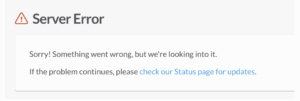
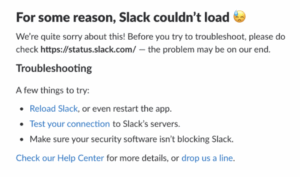
Workplaces and companies around the world rely on Slack to keep communication and operations running smoothly. With such high stakes, Slack’s error handling is engineered not just to fix problems, but to maintain trust and retention when things go wrong.
Slack’s strategy is twofold: communicate clearly and keep users productive. When an issue arises, Slack informs users in plain language and provides quick troubleshooting options rather than cryptic error codes. By keeping users informed and productive even during downtime, Slack turns potential frustration into confidence. It’s a small design choice with big business impact, preventing workplace disruptions and keeping teams from switching to competitors.

Uber
When a user books a ride with Uber, at every step – from making the request, finding a driver, to finally connecting you a driver – the user is constantly kept in the loop on the status of their request. If a driver cancels or it takes longer than usual to connect you to a driver, Uber will let you know, acknowledging the inconvenience on the user’s part, and provides options for the user to rebook or try another Uber tier. Another feature of their error-handling strategy is providing wait times, so the User feels that they have full control over their experience.

Banking Apps
When a banking app shows an error message such as,“Something went wrong”, without clarity or a clear explanation, users feel unsafe. That momentary doubt can drive them to competitors or costly customer support. Leading apps like Chase or Zelle now provide specific, reassuring feedback, for example, “Transfer delayed due to network issues. Your funds are safe.” Venmo has also implemented measures to make sure you are sending money to the correct person. The recovery flow and error handling strategy here preserves not just transactions but confidence, the core currency of financial apps.




