
Every content platform teaches users how to look for what they want, but also how to behave in ways that fit the business model. Netflix wants you to stay. YouTube wants you to scroll. Airbnb wants you to decide. Their discovery flows prove that search and browsing are levers for revenue and not just tools for users.
Netflix

Netflix’s home screen eliminates friction by removing the need to search. Rows of personalized recommendations like “Top Picks for You” keep users in a loop of familiar curiosity. Autoplay previews pull attention before decision fatigue can set in. Every design choice serves engagement time. The longer you watch, the more Netflix learns, refines, and feeds your next binge. Discovery here is passive by design, optimized for hours watched. But the downside is that users rarely discover new genres or creators beyond the algorithm’s comfort zone, which can make the experience feel repetitive over time.
YouTube
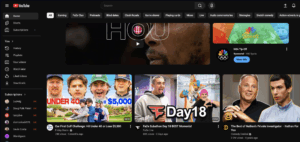
YouTube blends search intent with algorithmic pull. Even when users start with a specific query, the sidebar and “Up Next” recommendations tempt them toward another video. This hybrid discovery model maximizes ad inventory as the more you explore, the more ads you see. It’s a design that rewards curiosity but monetizes distraction.
Airbnb
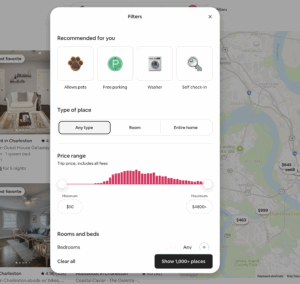
Airbnb flips the model. Instead of pulling users deeper, it gives them control. Detailed filters like “Allows pets” or “Washer” guide users toward confident booking decisions. Every filter clarifies intent and reduces uncertainty, lifting conversion rates. Unlike Netflix or YouTube, Airbnb doesn’t want endless browsing. It wants one satisfying choice. However, the heavy reliance on filters can sometimes overwhelm new users, making the process feel like managing a spreadsheet rather than planning a trip.
Overall, each product turns discovery into persuasion, quietly steering us toward the outcome that serves it best.



