
Search & Browse: Aligning Design Choices with Business Objectives
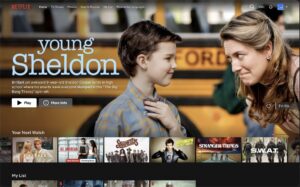
Netflix: Discovering the next show to watch can be burdensome; users need to research genres, reviews, and options aligned with their taste. This can lead to decision paralysis and disengage the user altogether. Netflix’s feed reduces decision effort through its “your next watch” row, offering personalized recommendations based on viewing history. At the same time, it has rows featuring top searches, as well as top movies/shows in the user’s country. This introduces diversity and variety in a safe manner. By using social proof (“top”), it increases the user’s chance of watching it by reducing the cost of exploration, adding further reasons for continued engagement.

YouTube: Similar to Netflix, YouTube also aims to incorporate both user intent and algorithmic suggestions. Yet, on Netflix’s home page, the recommendations dominate, whereas YouTube’s search bar is more prominent in comparison. The search bar helps the user immediately find content suited to their interests, while the recommendation system drives long-term engagement by introducing related content the user would not have otherwise sought out. This leads to the discovery of new creators, providing additional reasons for users to stay on the platform. One way to improve the platform is to also introduce content the user may not directly agree with. In recent times, there’s been strong interest from users to transcend online “filter bubbles,” adding further novelty and variety.


Airbnb: Airbnb’s search feature allows users to input far more features relative to YouTube and Netflix (location, dates, ages). This is because users arrive with a clear goal; too vague of a search feature would require them to sift through unrelated results. The user’s ability to personalize allows them to filter by practical considerations, ensuring everything they’re shown matches their needs. The use of terms like “anywhere” and “any week” add a sense of agency and exploration for the user.





