Before this class, I thought this…
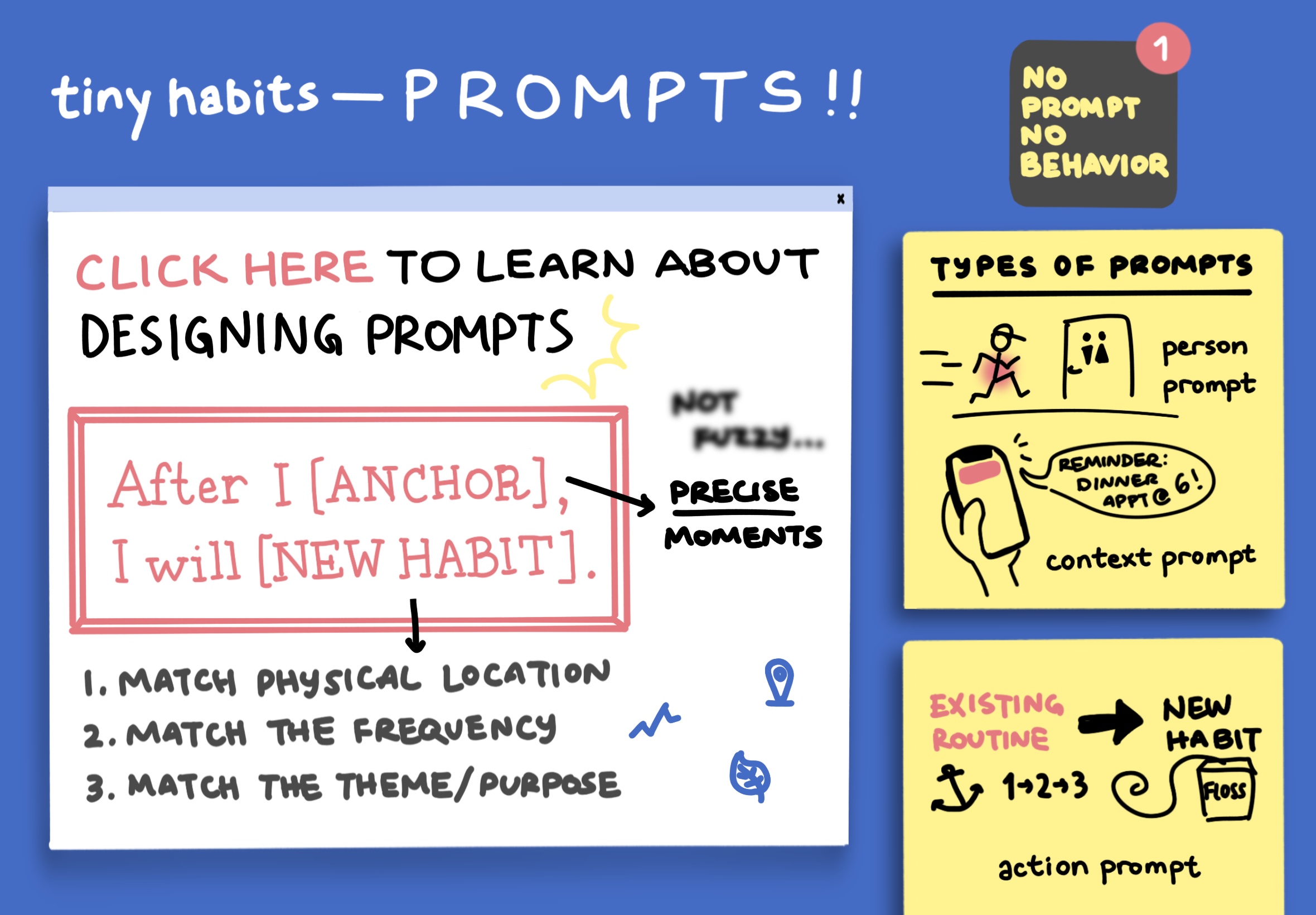
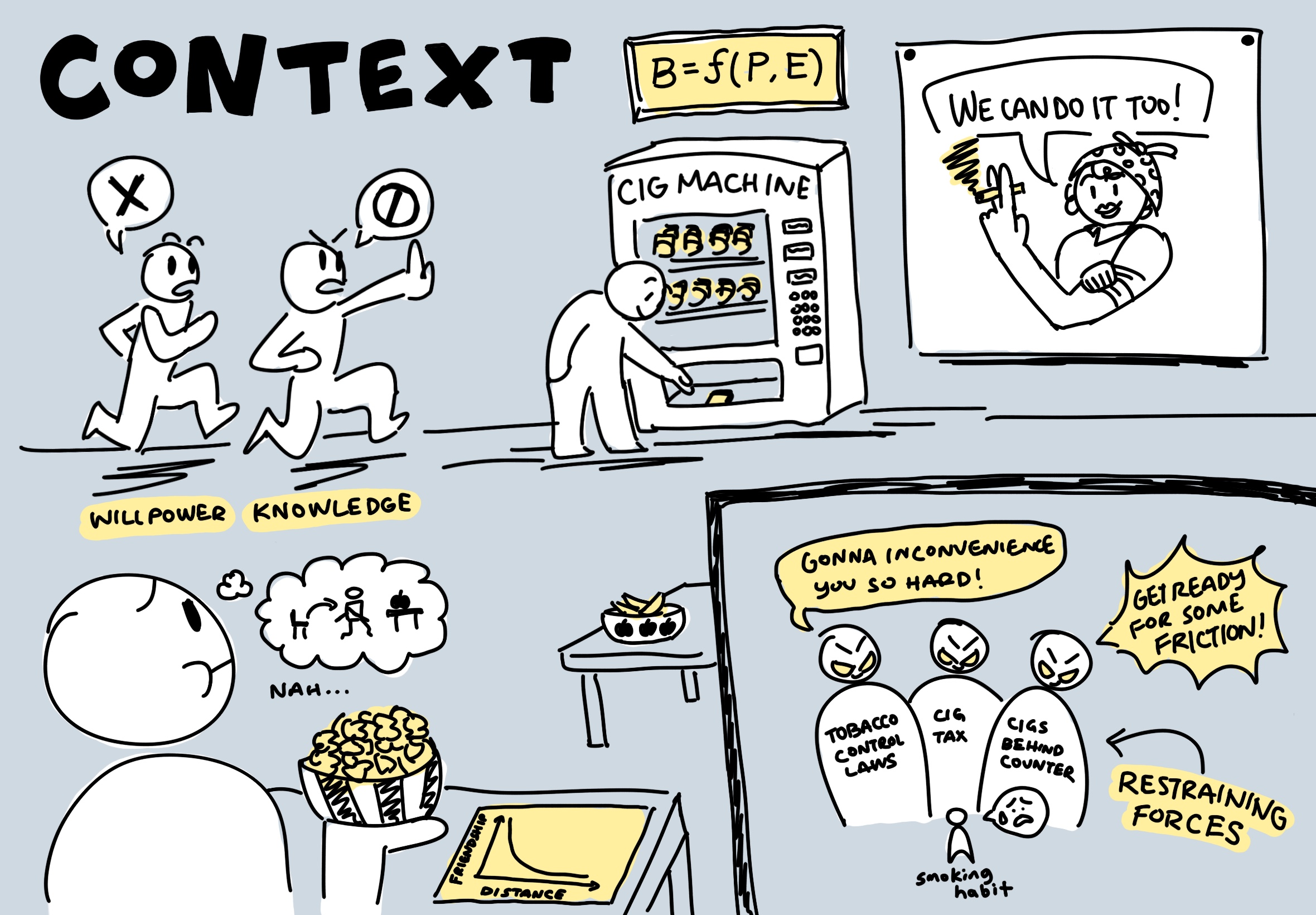
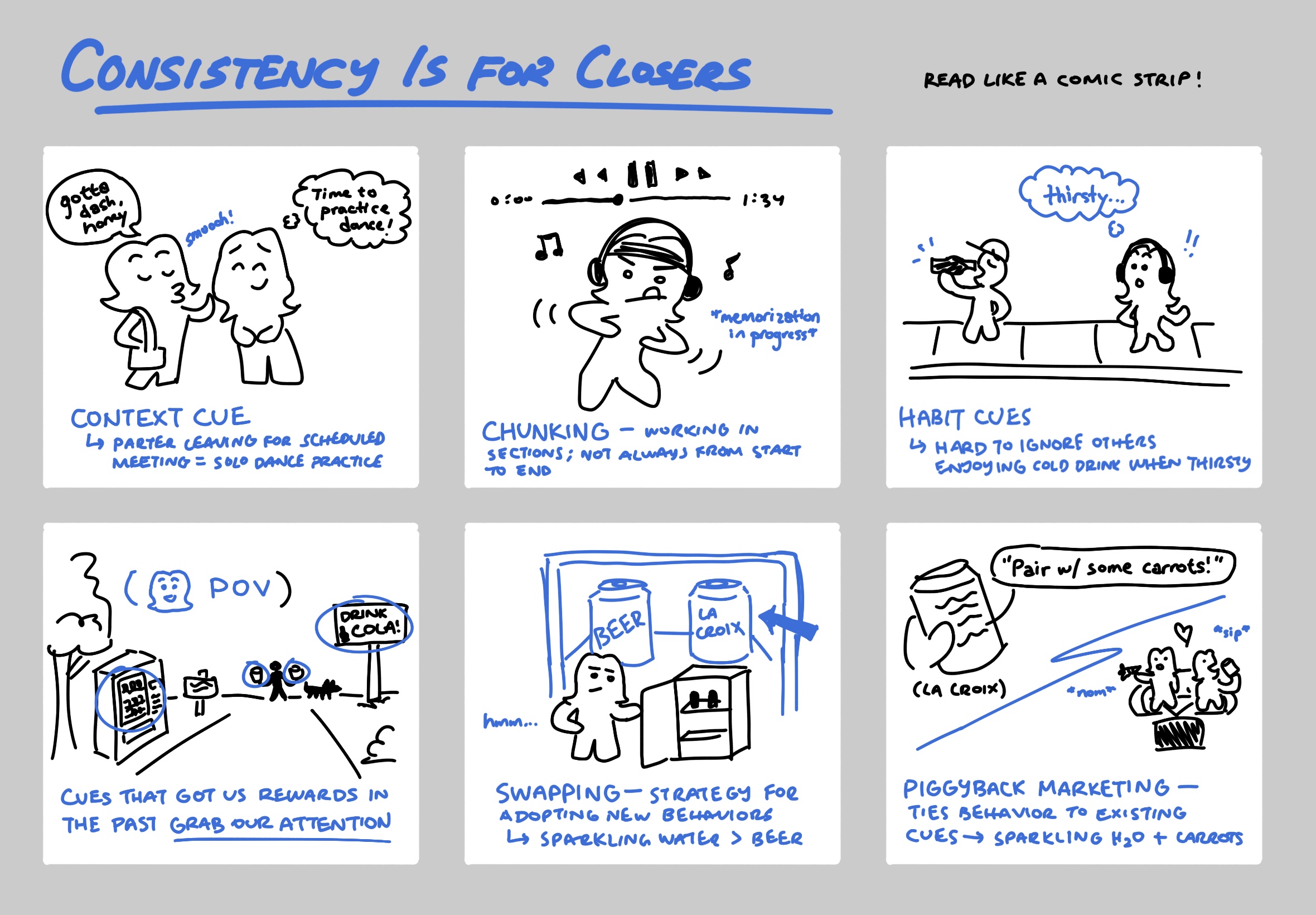
Coming into this class, I honestly thought we’d mainly discuss the ways social media apps increase traffic, lower barriers to entry, promote frequent engagement, etc. and then try our hand at doing that ourselves. What I didn’t expect is the greater emphasis on user psychology behind the tactics than the techniques themselves. Sketchnotes highlighted key ideas that I found myself applying in my personal life: reducing friction over pure willpower; environmental influences over knowledge; stacking habits over spontaneous motivation.
I did this work with these experiences…
- What surprises did you experience? What turned out like you expected?
I really appreciated the various opportunities to draw in class. It reawakened the artist in me that I hadn’t brought out in years and made me wonder why I ever stopped. I used to be the kind of kid to doodle the backs of people’s heads in 4th-grade math class and draw ponies and dragons. I took art classes all throughout high school too; pencil, charcoal, digital painting, and more. In class we were equipped with copy paper, marker pens, and all the sticky notes we’d ever want. And even though I’ve had an extended hiatus when it comes to drawing, I was pleasantly surprised that I’m pretty good at translating mental ideas to paper sketches. My teammates and some of the course assignments encouraged me to see that this is a skill that I shouldn’t let myself ignore. I am capable of conveying ideas in pictorial format, and I’m proud that I can enjoy it.
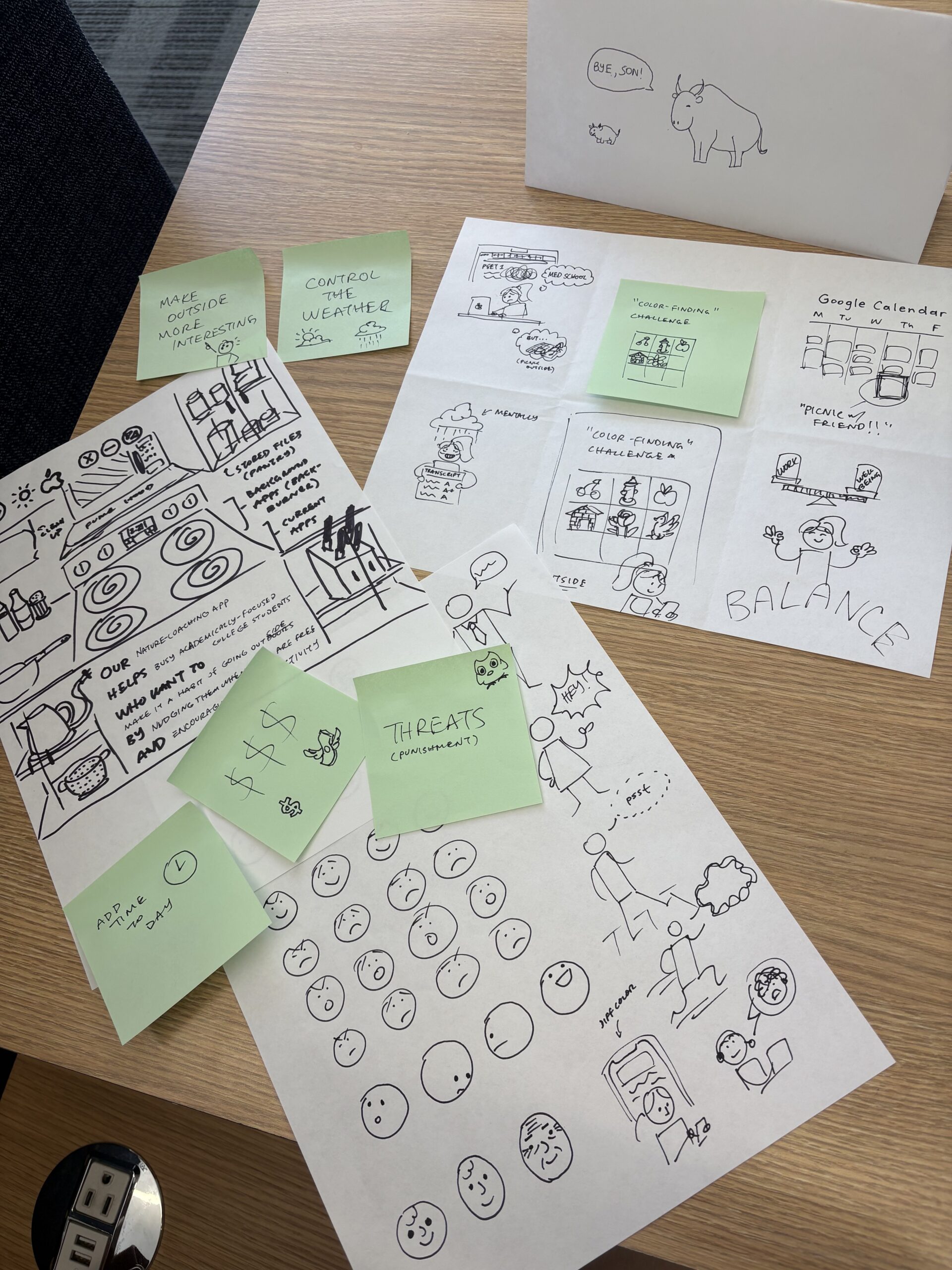
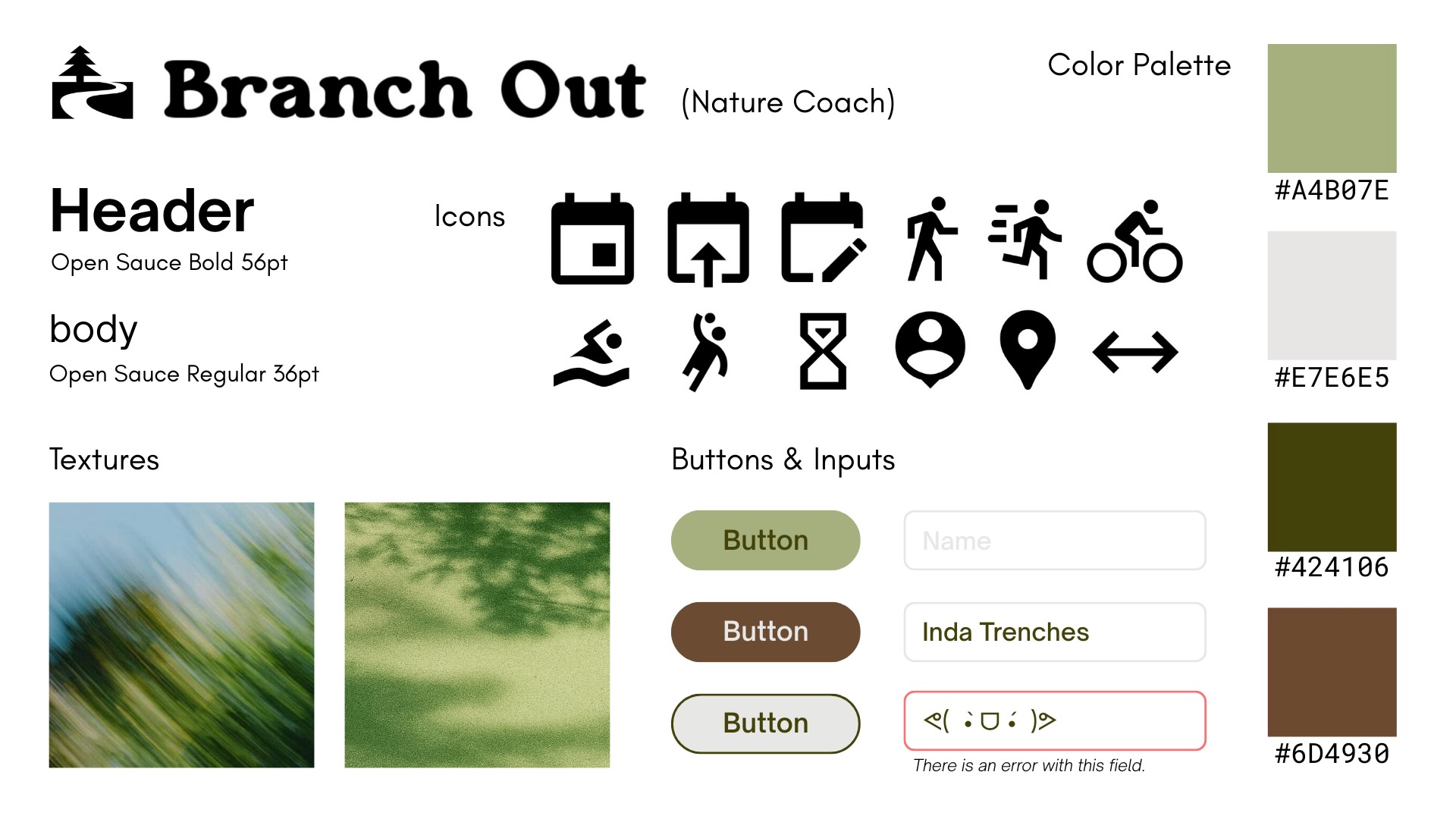
As for things that turned out as expected, it’s not surprising that my team ended up developing a project idea that was easiest to implement and not very novel. Sure, nudges to go outside during a user’s free time could be effective for behavior change, but it would have been cool to explore some of the other ideas we brainstormed (e.g. coupon Pokémon Go, nature BeReal). For the class, it’s hard to balance student ambition and the feasibility of building testable prototypes.
Ethical considerations…
- Design for Well-Being: How does your project promote well-being according to one of the three theories of well-being? What about your project might pose a risk to well-being of the users?
The three theories of well-being (according to a Google search) are hedonism, desire theories, and objective list theories. My team’s project promotes well-being by appealing to objective list theories insofar as our web app reinforces the idea that it is always beneficial for personal mental and physical health to go outside often. We don’t aim to introduce pleasure or minimize pain in users’ lives (hedonism), nor do we directly help users fulfill their desires (desire theories), since our app increases motivation but not ability. There may be a risk to the well-being of users in that they are discouraged from taking personal responsibility for their mental/physical health via outdoor recreation; there’s no incentive to schedule time outside when you just rely on our app spontaneously nudging you to do so. It is useful for the initial adoption of the habit of touching grass, but probably should not be used as a long-term tool.
Now I think this…
As a senior about to graduate, I’ve thought a lot about the next stage of my life. One idea I learned in this class is that new contexts encourage new habit formation, and I, optimistically, intend to take advantage of that fact. Moving into an apartment somewhere, living in a different city, being no longer surrounded by Stanford students— the lack of environmental cues will hopefully allow me to build the sustainable habits I want early on. Scheduled laundry and cleaning days, budget grocery shopping and meal-planning, developed morning and night routines, etc.
Next time when faced with a similar situation I will…
So yeah, next time I’m attempting to change behavior (my own or other people’s), I’ll look at the Sketchnotes that I painstakingly drew (if the psychology-based tip doesn’t come to me naturally). After I find myself getting bored [anchor], I will doodle [new habit]. While developing apps in the future, I’ll keep in mind what actually influences people to change their behavior.
(Other design stuff I liked making)