As a computer science student with a concentration in AI, this is the first design class I have ever taken, and this experience has been fascinating. Before this class, I had no idea how a product is created from a concept. I thought people directly start prototyping with an idea in mind. During this class, I enjoyed learning about how to brainstorm an idea, validate it through baseline study, previous research, and intervention study, and how to create a mood board and style tiles for an app, draw wireframes and sketchy screens and gradually refine it into a clickable, polished prototype with the help of usability testing. I will definitely reuse this workflow if I will make another product in the future. It surprised me how many different graphs and plots we made throughout the quarter. At some point, I thought some of them are redundant and wondered why we bother doing them. But when looking back now I’m able to connect all the dots together and discover how they assisted us in coming up with the final product step by step. I realized that sometimes even if we thought we knew what to do, we only had a rough and high-level idea. With those mapping and graphs, we were guided to decompose the problem and turned the idea into actionable items. I feel like this methodology is an effective tool we were equipped with and will be super helpful in the future. But I do wish at the beginning of the quarter the teaching team could have given a more detailed outline of the quarter’s plan since I did feel a little lost at some points throughout the quarter. In terms of how the project relates to my other work at Stanford, this quarter while I’m working as a research assistant on a video conference platform, I proposed to redesign the platform since the “look-and-feel” has been complained about by many users. Lots of techniques learned in this class have turned out to be transferable and useful. For example, I did assumption tests, prototypes, and usability tests when redesigning the platform.
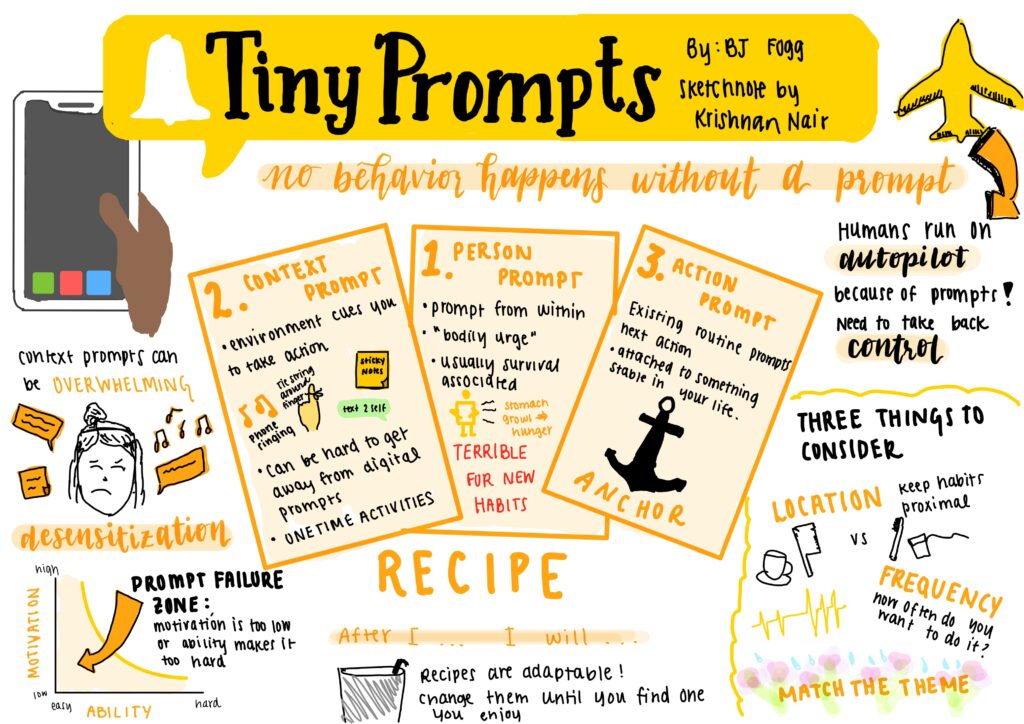
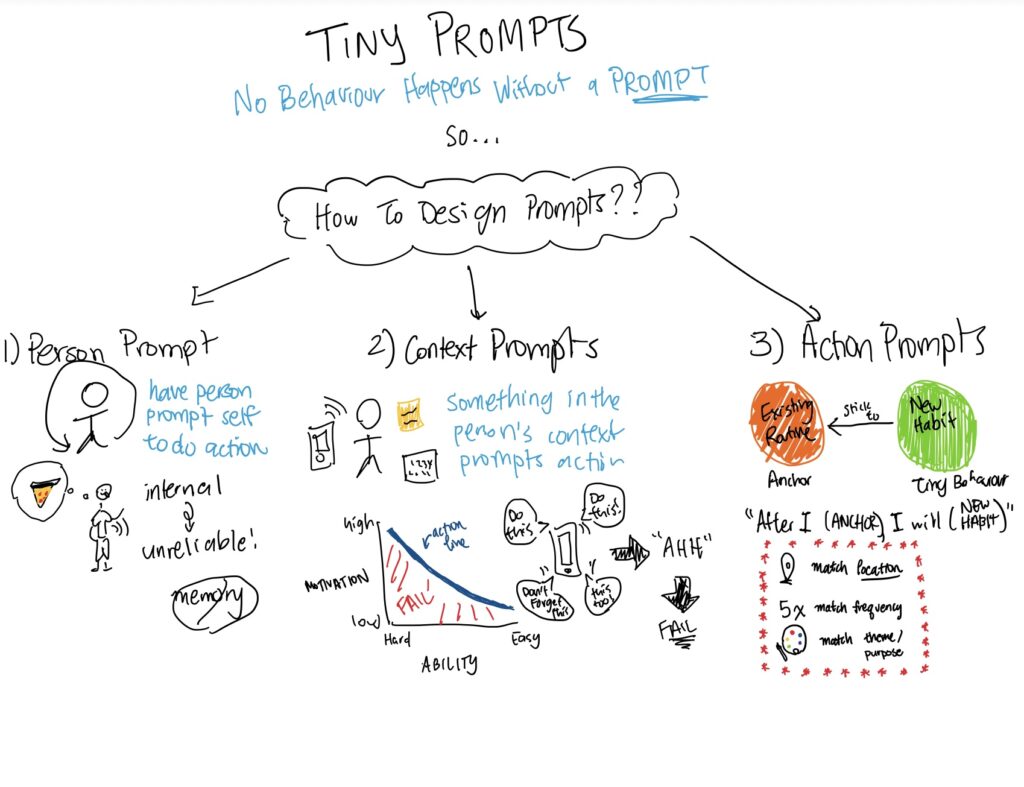
I have enjoyed the ethical discussion in this class. Before this class, I knew ethics are important but had no idea what specific questions we could tackle. I was inspired by many of the topics discussed in this class, especially the ones on nudging and manipulation, gamification, and privacy, and we did pay close attention to these problems in our project. We did have nudge mechanisms in the project since we allow users to “nudge” friends if their pets are not doing well. We think this is acceptable because we make this mechanism explicit and allow users to turn off notifications to opt out of the nudges. Also, we do have gamification elements in our project since we connect the users’ streak of logging expenses with the well-being of their virtual pets. However, we don’t think there are ethical problems since we don’t have a leaderboard-like mechanism to encourage competitiveness with others. We do have statistics to represent how well each pet is doing, but those are represented in rings instead of numeric numbers. Also, we only include “harmless” statistics like how many days the users remember to log spending in a row, but not more sensitive statistics like the exact amount of money each person spends. In terms of privacy, we acknowledge that we store lots of private information in our app, including photos and expense details, but we make sure that information is not displayed on the profile and is invisible to others.
Overall, I have enjoyed this class and learned a ton. I like how responsible the TAs are and was inspired by much of the feedback they gave. I felt super grateful for taking this class in my last quarter at Stanford.