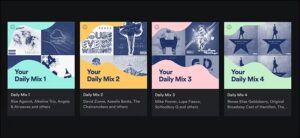
Spotify, LinkedIn, and TikTok each lean on personalization, but their strategies reflect fundamentally different business incentives. Spotify optimizes listening time, so its personalization is deeply algorithmic and automated; Discover Weekly, Daily Mixes, and your personalized Home feed are outputs of collaborative filtering and embeddings that continuously adapt. The ROI is high: even small increases in listening time reduce churn, and retention directly correlates with subscription revenue. Spotify’s automation works because music preferences are stable enough that modeling them yields compounding returns.

LinkedIn’s personalization supports a different metric: session frequency. The platform surfaces “People You May Know,” job recommendations, and tailored feed posts that nudge users back multiple times a week. But unlike Spotify, LinkedIn mixes automation with light customization (telling LinkedIn what industries you follow, which skills you have). This hybrid strategy increases ROI by improving the relevance of social/professional signals, which is critical because LinkedIn’s network effects amplify when users return frequently. Still, the system often over-indexes on engagement (e.g., inspirational posts) at the cost of professional value; LinkedIn could increase ROI by steering personalization toward skill development or verified expertise.

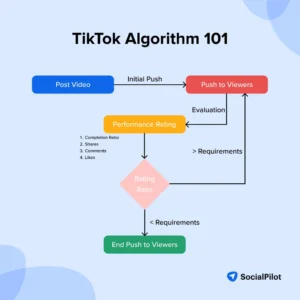
TikTok’s personalization is the most aggressive. The For You Page optimizes for ad impressions, meaning its ROI depends on rapidly converging on your tastes. Every scroll, pause, and rewatch trains a real-time model that maximizes both engagement and ad relevance. The ROI is massive – highly targeted ads command higher costs per mille (CPMs) – but it creates a risk of over-optimization: hyper-personalized loops can make the experience feel narrow or repetitive. A healthier design would occasionally introduce exploratory content to broaden user interests and surface more diverse ad categories.