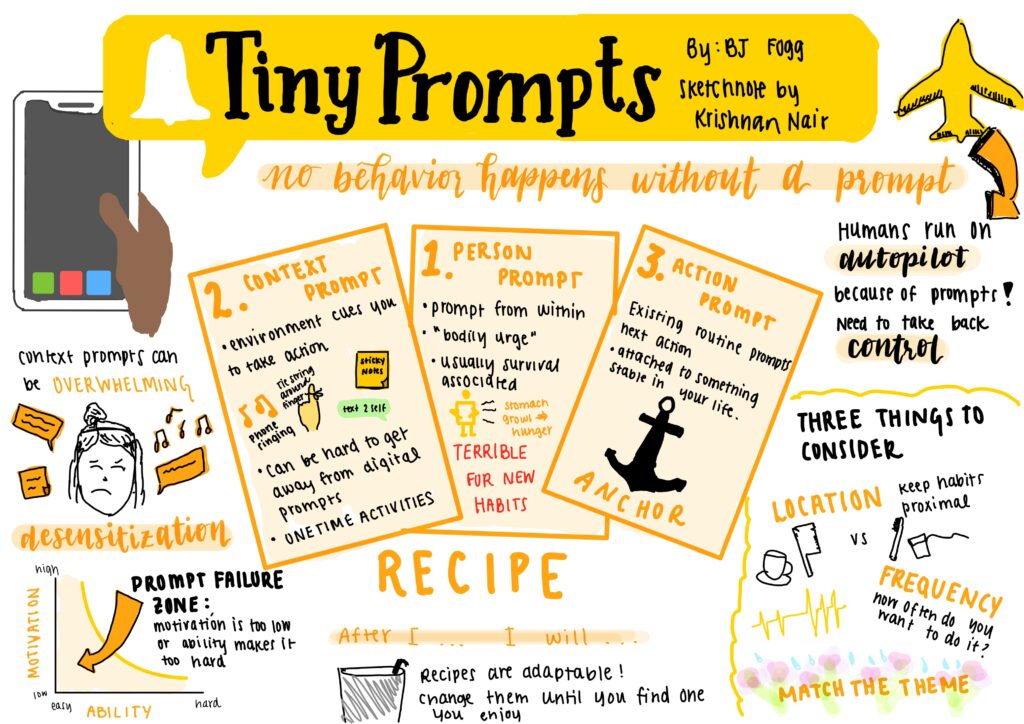
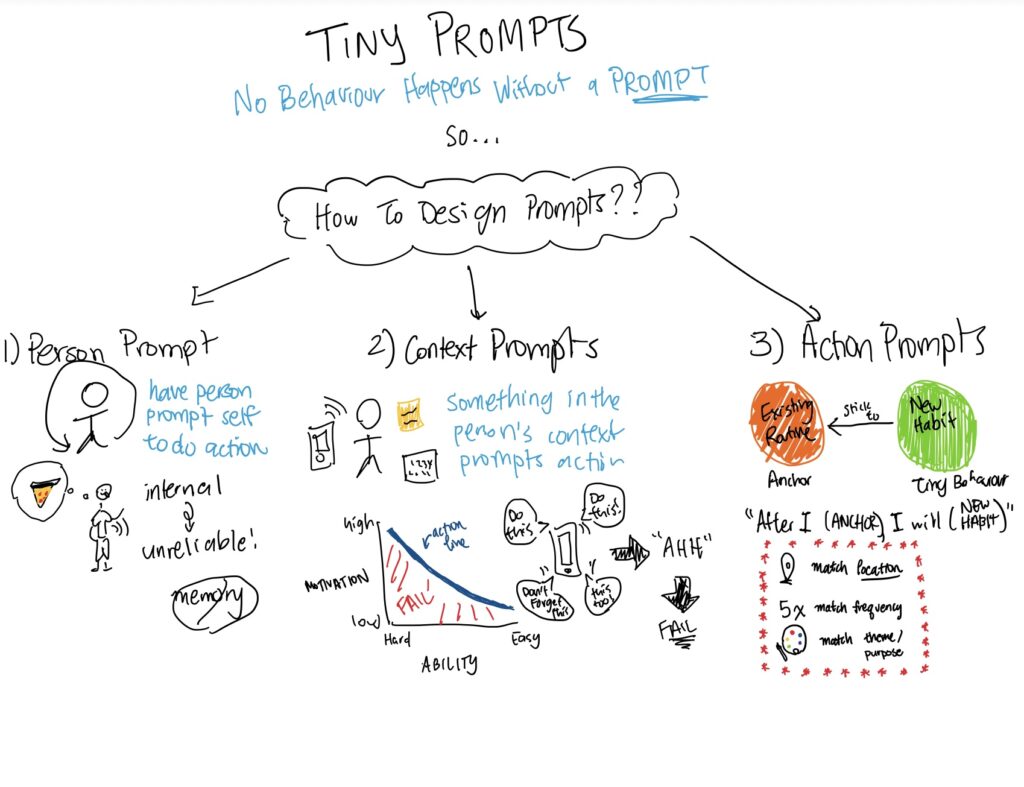
The habit I chose to track was procrastination, specifically at night after dinner time. I wanted to reduce this behavior without consciously attempting to change it at first, to get an understanding of my habits. Instead, I took notes about my activities when they happened. After a long day of classes, I found it easy and tempting to engage in anything but work, such as chatting with friends, using my phone, or even taking a nap. To measure this, I tracked my behavior for two days, focusing on the period after dinner.
On the first day, I spent nearly 45 minutes after dinner at the dining hall talking to friends. I justified it by telling myself, “I haven’t seen these people in so long, it’s okay to stay a bit longer.” Afterward, I went to a friend’s room, where we talked for another 30 minutes. By the time I went back to my own room, I was already feeling very tired. Instead of starting my work immediately, I scrolled on my phone for about 25 minutes. When I finally sat down to study, I couldn’t focus and gave up after 20 minutes, feeling very guilty.
The second day was very different differently because I made a conscious effort to limit the time I spent socializing. After dinner, I left after just 15 minutes of talking and went straight to my room. I had set a timer for social media use, allowing myself only 15 minutes to scroll. I then spent an hour working on an assignment. I took a short 10-minute break to stretch, but then I went back to my work feeling more in control. By the end of the evening, I had completed two hours of focused work, a significant improvement over the previous day.
One interesting realization was how much my environment influenced my behavior. When I stayed in my dorm room, I found it incredibly easy to give in to distractions. Moving to a different setting, such as the library, seemed like a promising way to break the cycle, but I didn’t test it during these two days. The experience was enlightening, as it highlighted the subtle triggers and choices that contributed to my procrastination.
If I were to do this again, I’d extend the tracking period to a week to have more comprehensive data. I would also experiment with studying in different environments, such as the library, to observe how location impacts productivity.


Writing about this experience forced me to talk about my habits and think about solutions. Creating the models helped me understand how the different elements interact and where I could intervene effectively. Reflecting on the data I collected, I realized that procrastination isn’t just a matter of willpower. By analyzing my actions and introducing small but impactful changes, I felt more in control of my time and productivity.
This process helped me see that small actions can create meaningful change. Whether it’s setting timers, adjusting my environment, or limiting social interactions, every step matters in breaking the cycle of procrastination.