
Before this class
I was having a hard time choosing between CS247S and CS247B offered in the same quarter at the same lecture time. While I understood on a high level how design can have a significant impact on the success of the products built for service, it was not very clear to me how one can design to change someone’s behavior. This curiosity eventually won and I choose CS247B. I came to the class with the assumption that the class will be very focused on reading related to the psychology of human behavior. I had no idea how UI can matter in products related to behavioral science. I thought that we all had to be very proficient in the psychology of the human mind and habit-building in order to design anything related to behavioral change.
For UI design, my idea of designing UI was very simplified as learned from CS147: step 1: build a paper prototype, step 2. test the paper prototype, step 3. repeat steps 1 & 2 for a Figma prototype, step 4. code. I knew nothing about branding, or system paths, worked very little work on personas, little to no knowledge of atomic elements of UI.
Also, my idea of how to retain knowledge from a talk or large reading without using sketch notes was very inefficient.
My experience
First, I want to thank my amazing team members Jasmine, Jessica, and Jason for making the class and group project so much enjoyable – couldn’t have asked for better teammates.
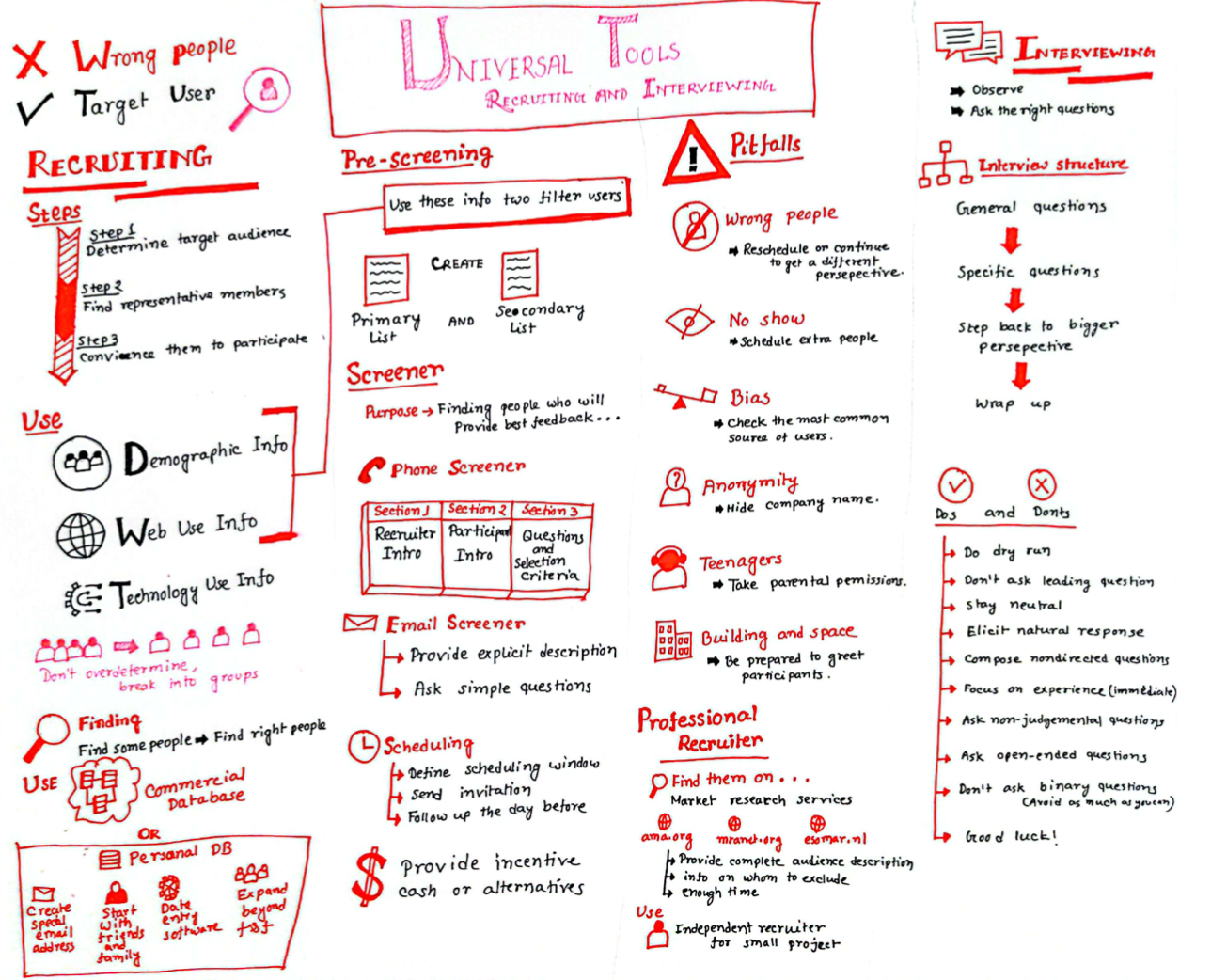
Next, one of the biggest life-hack I learned from this class is using sketch notes. Although I started doing my first sketch note with a lot of doubt about the process in mind, I found the usefulness of sketch notes in the next lecture when I could clearly remember most of the main points from the reading. With more sketch note assignments, I started being efficient in drawing them as well. This is a skill that will help me in any situation where I will need to consume too much knowledge in a short time, irrespective of whether it’s about design or not. Here is a picture of my first sketch note.
It was also extremely helpful for me to learn how UI design evolves almost automatically when you combine user research, personas, and system paths with your style tile. The concept of style tile itself was new to me. For me, the only requirement for styling was to choose the primary and secondary colors in a way that is comfortable for human eyes. Learning how the choose the colors from a style tile that represents the ideas and principles of the product expanded my view on the significance of the right colors.
Finally, I learned that you don’t need to be an expert psychologist to design for behaviors. Of course, having a strong foundation in the psychology behind is helpful, however, a lot can be done by learning some design principles and doing a thorough analysis of your users.
Ethical considerations
I always appreciate how Christina makes ethics a big part of the classes that she teaches. There were tiny bits of ethics content in all of the CS courses I took so far, however, this class had a consistent discussion on ethics going on throughout the quarter. Especially the discussion around nudges and manipulation was particularly intriguing to me. The discussion also ties back to another reading that was on persuasive design. Upon graduating from high school, I didn’t know much about computer science. My decision for choosing computer science was largely motivated by the societal impact factor. However, when I look at all the products out there, it’s quite hard to find a product that truly cares for its user’s well-being in an absolute sense. Although all products have their moral taglines, however, the algorithms and designs are constantly manipulating the users to help them make money. Such nudges and manipulations are inevitable if the designers don’t know how to identify them. The designer, considering they aren’t evil themselves, must be very intentional about the implications of their design. The reading on manipulation helped differentiate between nudges and manipulative nudges.
For the future
A few months ago, I was designing a tool for a personal project of mine. I was going through all the recommended color palettes from Google search, but none seemed to satisfy me. Strictly from the UI point of view, they all were good palettes; however, they just did convey the message I was trying to convey. In any situation like this in the future, I will now know to use style tile and extract colors from it.
This class prepared me with many such tools. I will not consider each step of a design process as a separate step anymore, rather a step that builds on top of or evolves from the previous step. The class made the design process a lot more intuitive and also taught me some life lessons outside the scope of the design world.



