
Slack: Retention through reassurance
When Slack disconnects, it immediately offers context (“Check your internet connection”). 
For other errors, there will be a link to help center for potential trouble-shooting, minimizing the impact to users.

Slack’s recovery flow focuses on reducing frustration and churn. The business cost for each of these problems isn’t immediate revenue loss but a decline in daily active users and lower renewal rates for paid workspaces. Prolonged or frequent connection errors can push companies toward competitors like Microsoft Teams but occasional error is fine.
Uber: Completion at all costs
A failed ride request triggers an instant fallback. The cost of failure here is transactional — a canceled trip means lost revenue. Uber’s real-time recovery design of having direct alternative actions such as “try another payment” when payment failures along with finding another driver directly when one cancelled (or offer to find another closer driver when users want to cancel due to long wait) ensures minimal disruption to the booking funnel and retains the transaction.


Banking apps: Earning trust under pressure
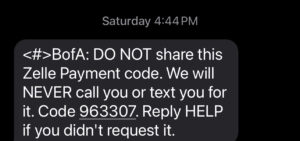
When a transfer fails, banking apps emphasize safety over speed. Messages like “Your money was not moved” and reauthentication flows (such as one below) restore confidence that funds are secure. The business cost of poor recovery is catastrophic: loss of trust equals account churn along with huge financial loss. It is important to find a good balance such as no blocking for transactions under a certain amount and only trigger an authentication method above for high priced transaction, otherwise users will feel annoyed and may turn to competitors.
Across all three, good error handling is quiet crisis management. Slack retains teams, Uber completes rides, banks preserve faith. The best designs turn failure into reassurance — proving that reliability isn’t the absence of error, but the presence of recovery.



