
Netflix(recommendation-heavy → engagement time).
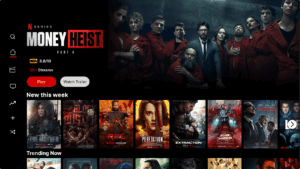
Netflix pushes you into watching right away. The home page is rows, autoplay, and “Because you watched…”. Search exists, but most people just scroll and click. This design keeps momentum and grows minutes watched, which is how the subscription model wins. What Netflix learns first is your taste (genres, actors, time of day, session length), then they will make suggestions accordingly to maximize the time you spent on the platform. This nevertheless also create weak spots such as cold start and finding niche titles.
YouTube(search + algorithm → ad inventory).
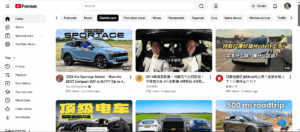
Most sessions start with a search. Then the results page and the side rail pull you into related videos. This turns one query into a long chain, which creates more ad slots. The system will also set the ad according to your search and interest, further maximizing its matches for ad clicks. After the first click, Up Next and the homepage adapt in real time to intent signals from what you watched and how long you stayed. This further creates more ad slots. The trade-off is fast answers versus rabbit holes. What YouTube learns first is your intent (the query) and your interest graph (watch history).
Airbnb(filter-heavy browsing → booking conversion).
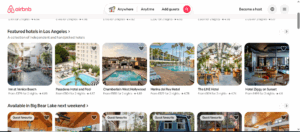
Airbnb asks you to set the basics: map, dates, guests, price, amenities. Filters do most of the work so you avoid mismatched listings and feel ready to book. That clarity helps conversion. What Airbnb learns first is your constraints(when, where, budget, party size). This will help the user quickly find what they want, therefore converting into a successful booking asap. The failure mode is over-filtering into zero results or stale inventory.
Each discovery pattern mirrors the business goal—time for Netflix, ad supply for YouTube, bookings for Airbnb. Design the entry to serve that metric, then smooth the friction.



