
Netflix
Netflix relies on a recommendation-heavy model to keep users engaged for longer viewing sessions. Its algorithm considers factors like viewing history, ratings, and time of day to surface content users are most likely to enjoy. As shown in Figure 1, Netflix explains why each title is suggested (e.g. “Because you watched Sense8”). Since engagement time directly drives subscription retention, Netflix prioritizes accuracy and quality over quantity. A poor recommendation wastes significant time, so Netflix’s UX emphasizes trust and personalization through transparent explanations like “Because you watched X show” and consistent visual previews.
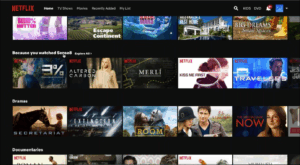
Figure 1. Netflix movie/show recommendations
YouTube
YouTube blends search and recommendation to help users quickly find short-form content—vlogs, tutorials, reviews, and shorts. Its algorithm emphasizes recency and personalization: two users entering the same query will see different results based on watch history. Because YouTube monetizes through ads, its success depends on attention per session and ad inventory. By personalizing results and keeping users watching through autoplay and tailored thumbnails, YouTube maximizes both viewer satisfaction and ad exposure. The short-form nature of content means low commitment but high iteration—users are constantly offered new, relevant videos to maintain engagement.
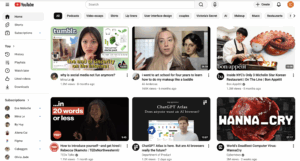
Figure 2. Youtube recommendations
Airbnb
Airbnb’s filter-heavy browsing design optimizes for booking conversion. Users start with structured filters—price, bedrooms, amenities (Figure 3)—and refine through map-based exploration (Figure 4). The platform reduces friction through remembered searches, flexible payment options, and easy cancellation, creating a “book-now, decide-later” experience. Unlike Netflix or YouTube, Airbnb’s success metric is not time spent but successful transactions. From my experience, the platform makes it really easy to book by saving my previous searches (including region, dates, filters) so I can continue my search with a single click, offering reservation with delayed pay, and 24 hour cancellation so I can book first, then double check later (Figure 5). Every design decision—from saved searches to instant booking—is tuned to reduce cognitive load and increase user confidence in completing a booking.
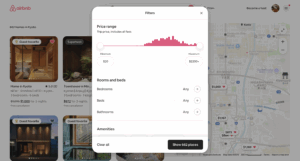
Figure 3. Airbnb pre-search filters

Figure 4. Airbnb map based exploration

Figure 5. Airbnb one-click saved searches, including filters



