
Introduction
An important part of user experience is making a user feel like a product was made just for them. To accomplish this, companies apply a variety of personalization strategies
Spotify
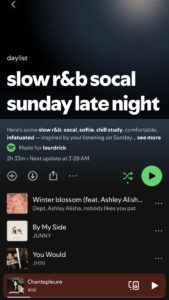
Spotify has arguably mastered personalization. By leveraging a user’s listening time, Spotify is able to determine which songs a user listens to and when, allowing Spotify to develop specially curated playlists for a user based on genres, artists, and even the time of day. This playlist personalization is an automated process, meaning new curated playlists are delivered to the user on a. consistent basis, ensuring they never run out of good music to listen to.
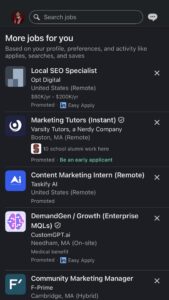
LinkedIn personalizes the user experience by curating a feed of recommended jobs for a user to apply to based on what kinds of job listings they have viewed in the past and how frequently they view those listings. I was able to get a curated set of jobs to apply for based on my interests despite never having applied to a job on LinkedIn before, only viewing potentially interesting positions. And when LinkedIn sends a notification about finding a good job for me, it makes me feel liker even I could one day be employed.
TikTok
TikTok is undeniably goated at curating a recommended feed of posts based on user engagement. However, I would argue that their ad targeting is a little bit lacking. In theory, ads should be tailored to what TikTok thinks I would be likely to engage with, but most ads I see feel pretty irrelevant to my life. But I do also recognize that often ads feel nearly indistinguishable from regular TikTok videos, in which case perhaps they have already integrated perfectly into my feed.




