Spotify focuses on habit formation before conversion. Users can stream nearly any song, but friction appears in strategic moments: ads interrupt mood, skip limits block optimized user experiences, and selecting specific tracks in certain playlists triggers upgrade prompts. Spotify leverages the fact that music habits are deeply personal, relying on emotional investment rather than aggressive restriction. Spotify takes a calculated risk: introducing too much friction could push users toward alternatives, but 1) personalization (Discover Weekly) increases switching costs and 2) the frictions in free experiences are on par with competitors rather than unique to Spotify.
Figma converts when users scale collaboration. A single designer can work freely, teams get basic free features to experience initial value, but users must pay to add multiple collaborators or shared libraries. This ensures friction occurs only after demonstrated value. The product relies on network effects: for team members to share files seamlessly, they need to pay. This also leads to lock-in, as a team whose workspace is entrenched in the platform is much less likely to switch to competitors, leading to high lifetime value. The risk is minimal, because the paywall aligns with organizational need rather than individual willingness.

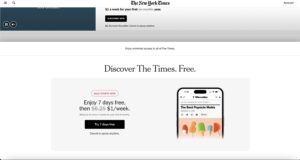
The New York Times allows several free articles to create reading habits, then introduces a hard paywall. This specifically appears after a user has clicked on an article and spent at least a few seconds reading them, increasing their willingness to pay to access the remaining content. This introduces friction at a key point in the user journey. Users who do end up paying are subsequently considerably invested in reading the article and likely to finish, leading to high-value subscribers. NYT’s risk is losing casual readers before habits form, but newsletters and personalized recommendations continually bring users back.