Quibi, the Humane AI Pin and Juicero all launched with huge budgets and lots of hype, but each one was really resting on a single assumption nobody had checked. Looking back, I think a test costing a few thousand dollars would have caught most of them.
Quibi raised $1.75 billion betting that people wanted premium shows built only for phones.
We believe… commuters will pay $5 a month for 10-minute shows they can only watch on their phones.
To verify, we will… run a landing page with a trailer and a paid preorder button, advertised to commuters.
And measure… the share of visitors who enter payment info.
We are right if… at least 5% of 2,000 visitors preorder.
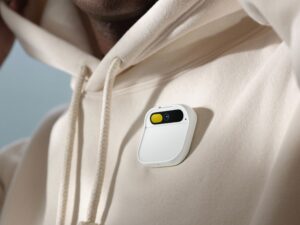
Humane bet that people were ready to give up their screens.
We believe… people will pay $699 plus $24 a month to handle everyday phone tasks through a screenless pin.
To verify, we will… run a concierge test where 10 users text a human “assistant” for a week instead of opening their phone.
And measure… how many tasks still go to the phone by day 7.
We are right if… at least 7 of 10 users route most tasks to the assistant by the end of the week.
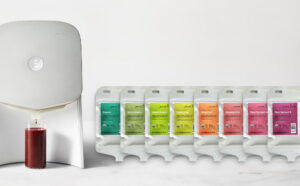
Juicero’s bet was that the machine itself was the product.
We believe… people will pay $400 for a press because it gets way more juice out of a pack than their hands can.
To verify, we will… have 20 people squeeze packs by hand and with the press, then compare.
And measure… juice yield per pack.
We are right if… the press yields at least 30% more.
Juicero’s test is the cheapest by far and Bloomberg reporters ended up running it for them after launch. It makes me wonder whether big funding makes teams less likely to run cheap tests since they can afford to skip them.