
WireFlow 1
Merve – Wireflow 3
WireFlow 2

Rationale for Wireflow
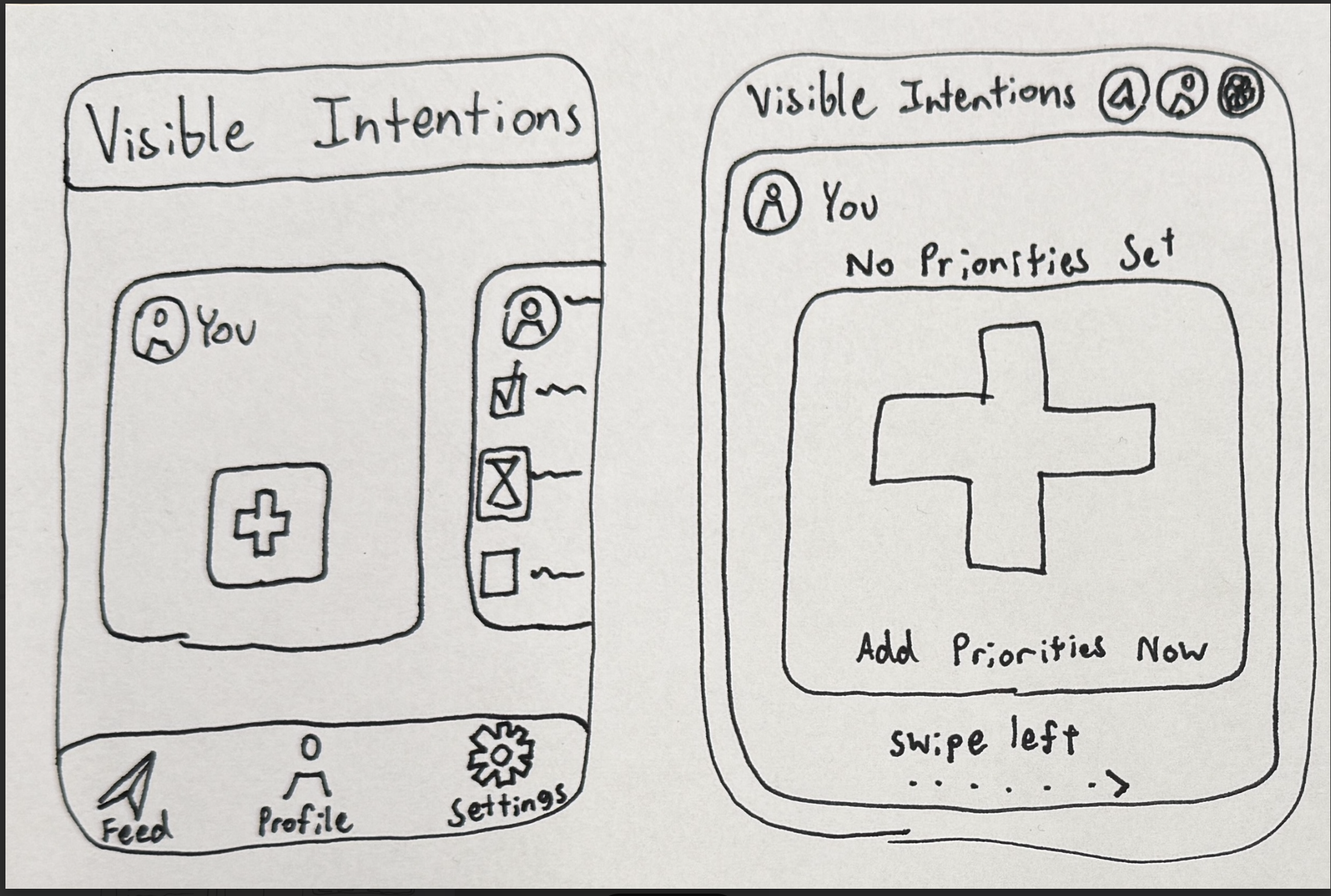
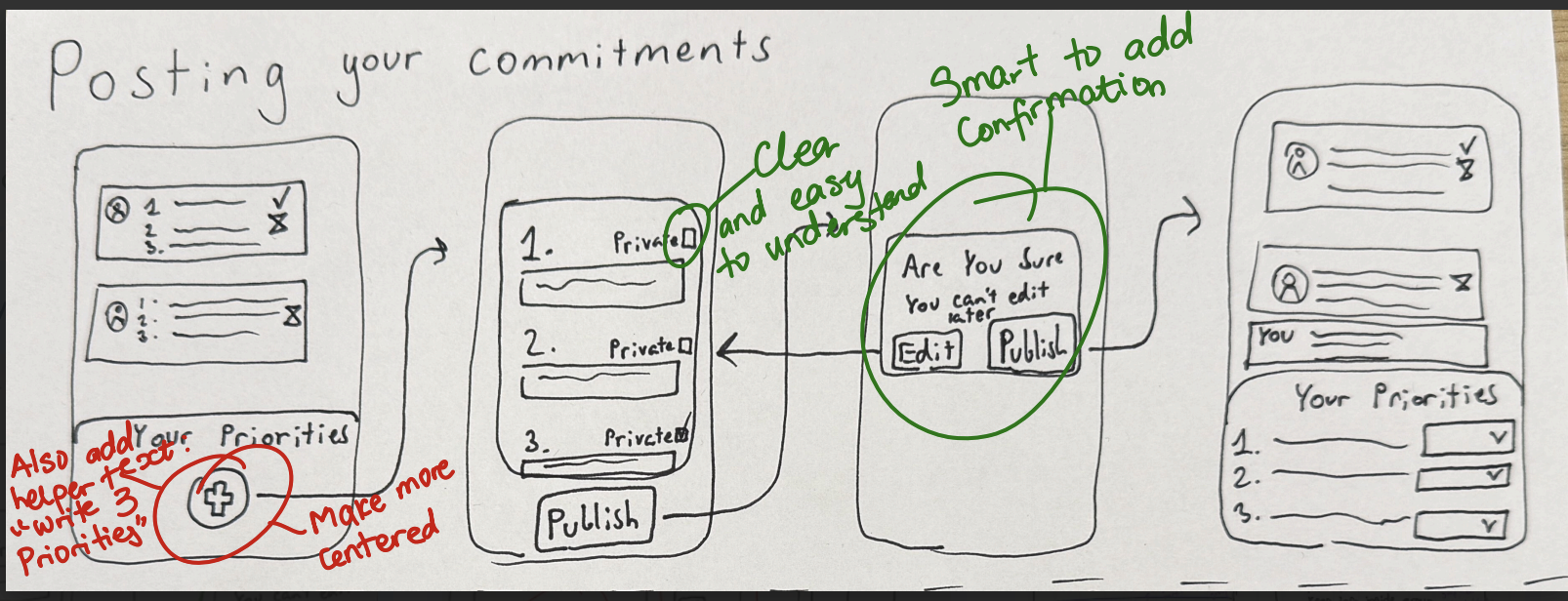
Rather than making the user track all their commitments and expect them to get everything done, we ask them to focus on the few important items they want to prioritize above the rest.
Chaos Christy has a lot to keep track of and a lot they are committed to. They have tried intense calendaring, but with so much on their plate, they continue to flake on plans and drop responsibilities. Our solution encourages them to focus on only a few of their most important commitments and put energy into getting those things done rather than trying to give all commitments equal attention.
Overload Octavia is similar. They are so overwhelmed by their commitments that they are paralyzed by stress and anxiety. They want to stay organized, but it’s easy to drop a complex routine when the stress gets too high. Getting them to focus on just three priorities is easier than trying to fill out a whole planner, and it helps them avoid thinking about everything at once.
Chillin’ Chelsy often keeps their priorities in their head rather than writing them down. They don’t have much experience planning, so asking them to start a full calendar system would be a big lift. To help them start learning to plan their day and keep their priorities top of mind instead of relying on memory, we just ask them to write down three things they want to get done and try to stick to them!
SKETCHY SCREENS
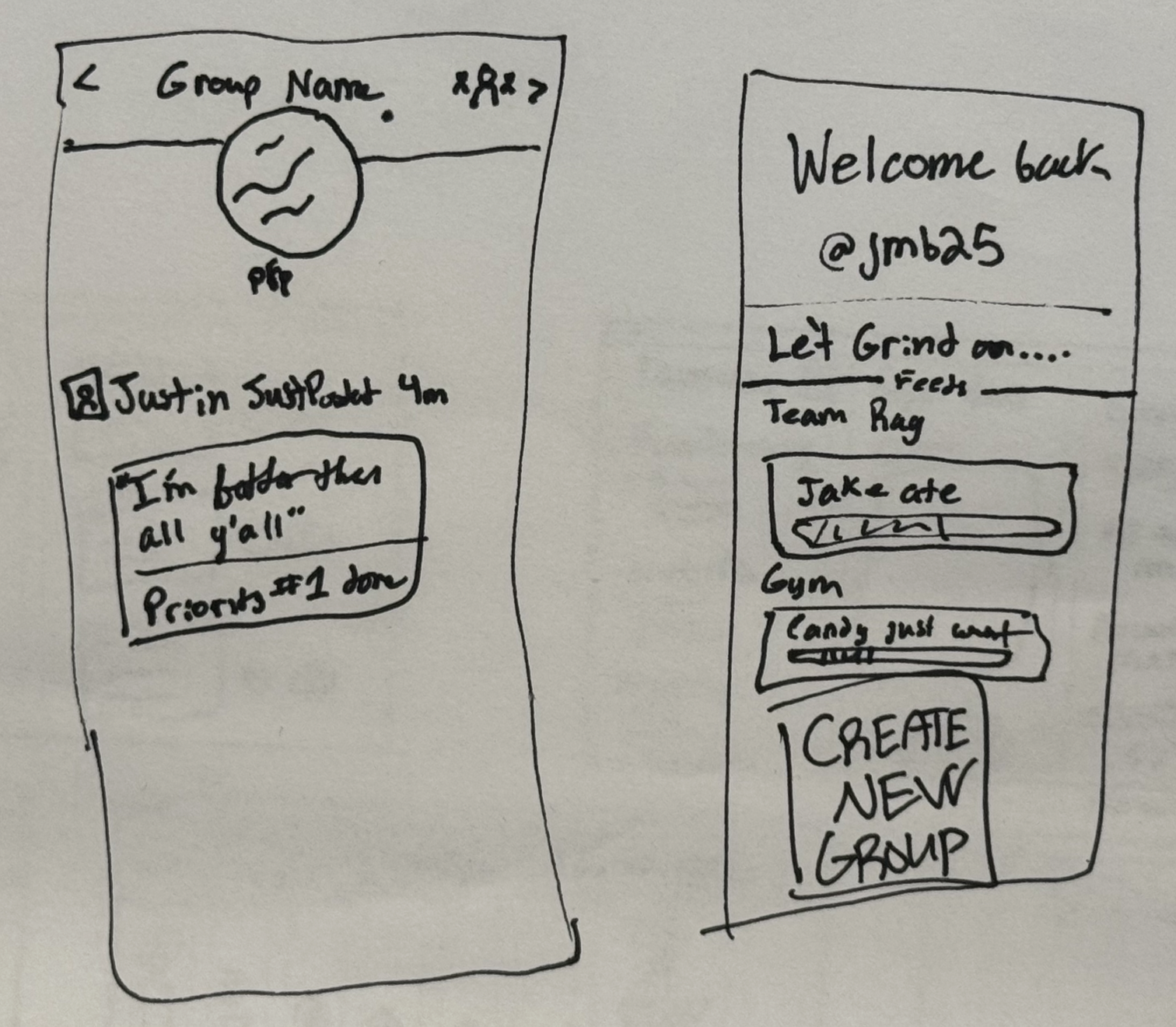
Candy’s
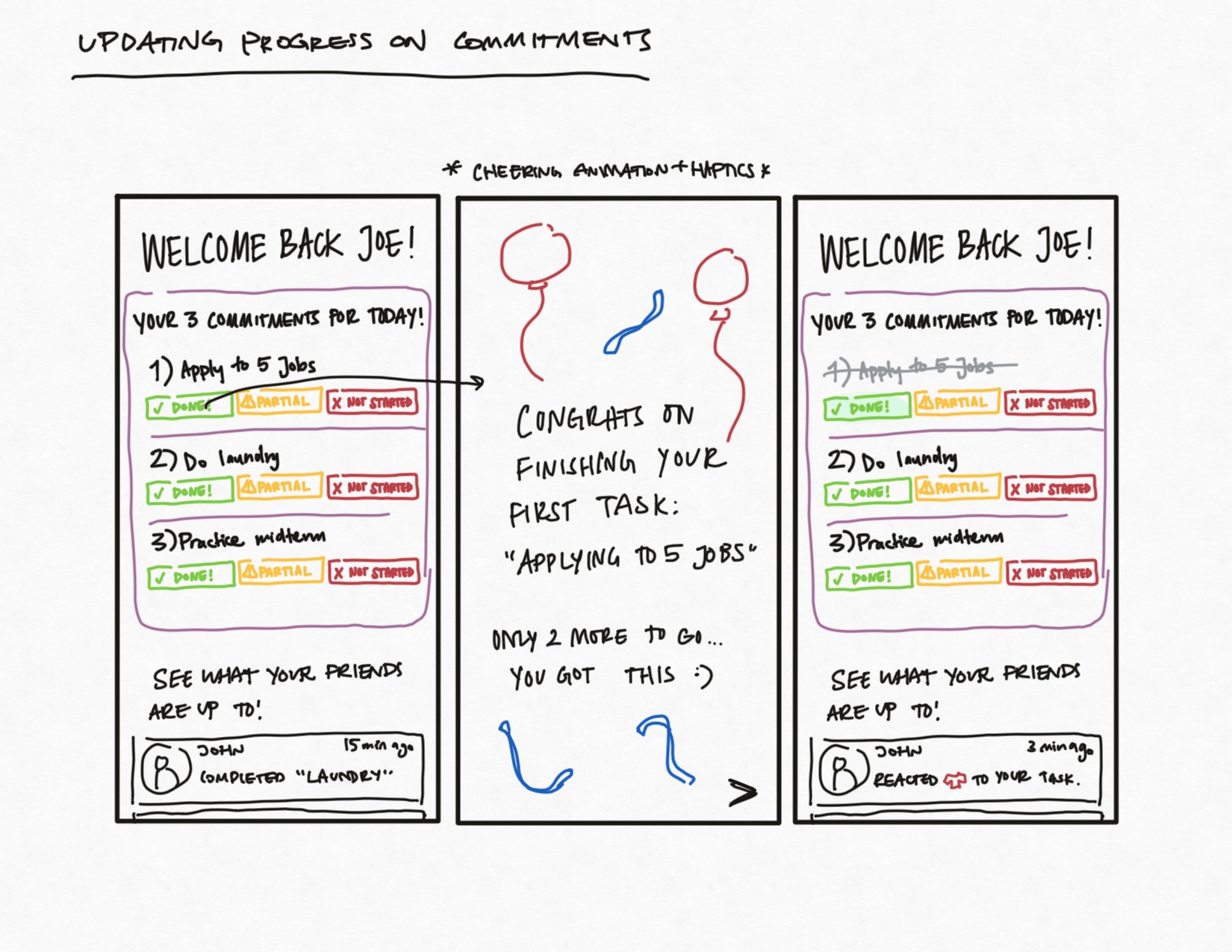
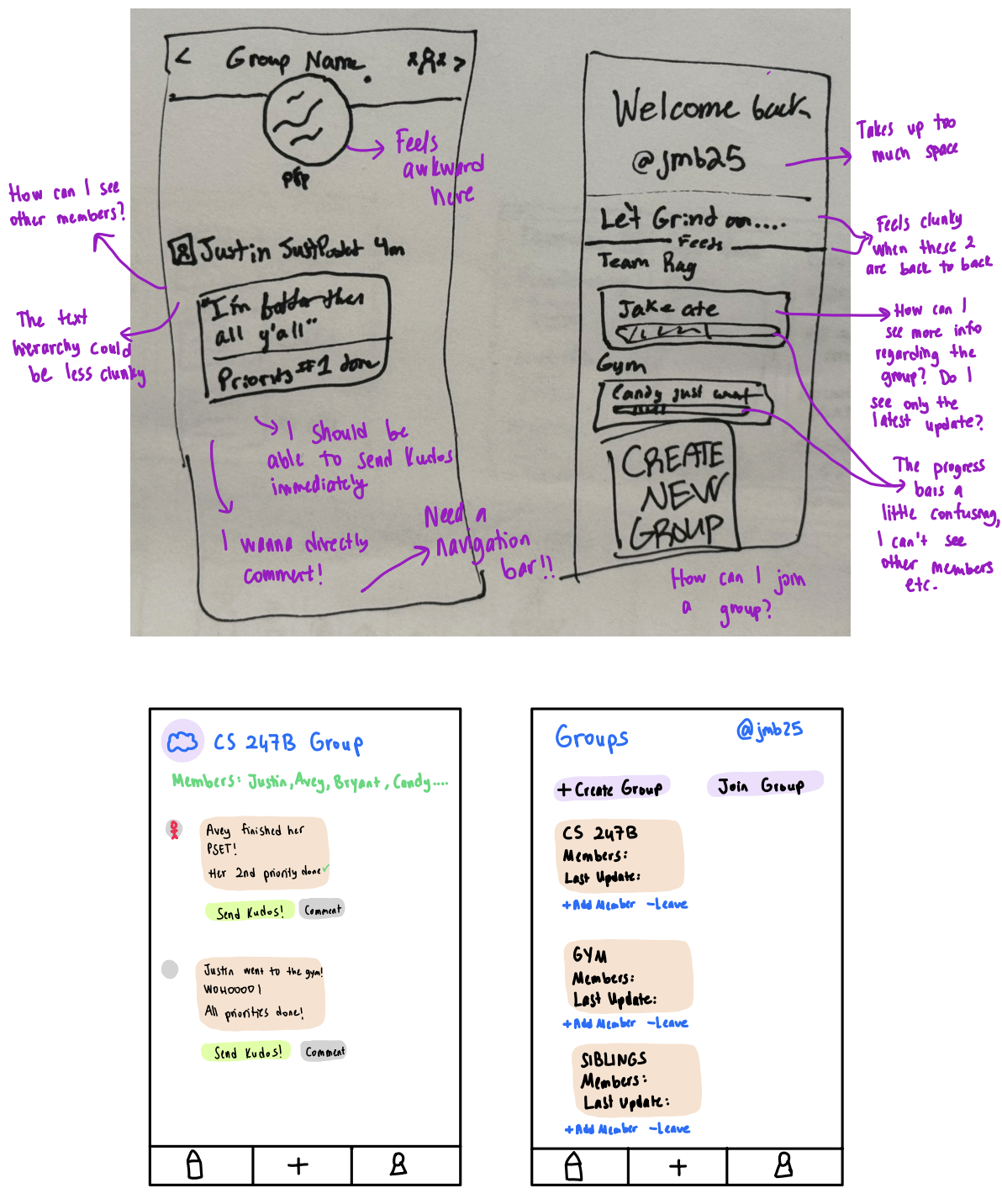
After Critique
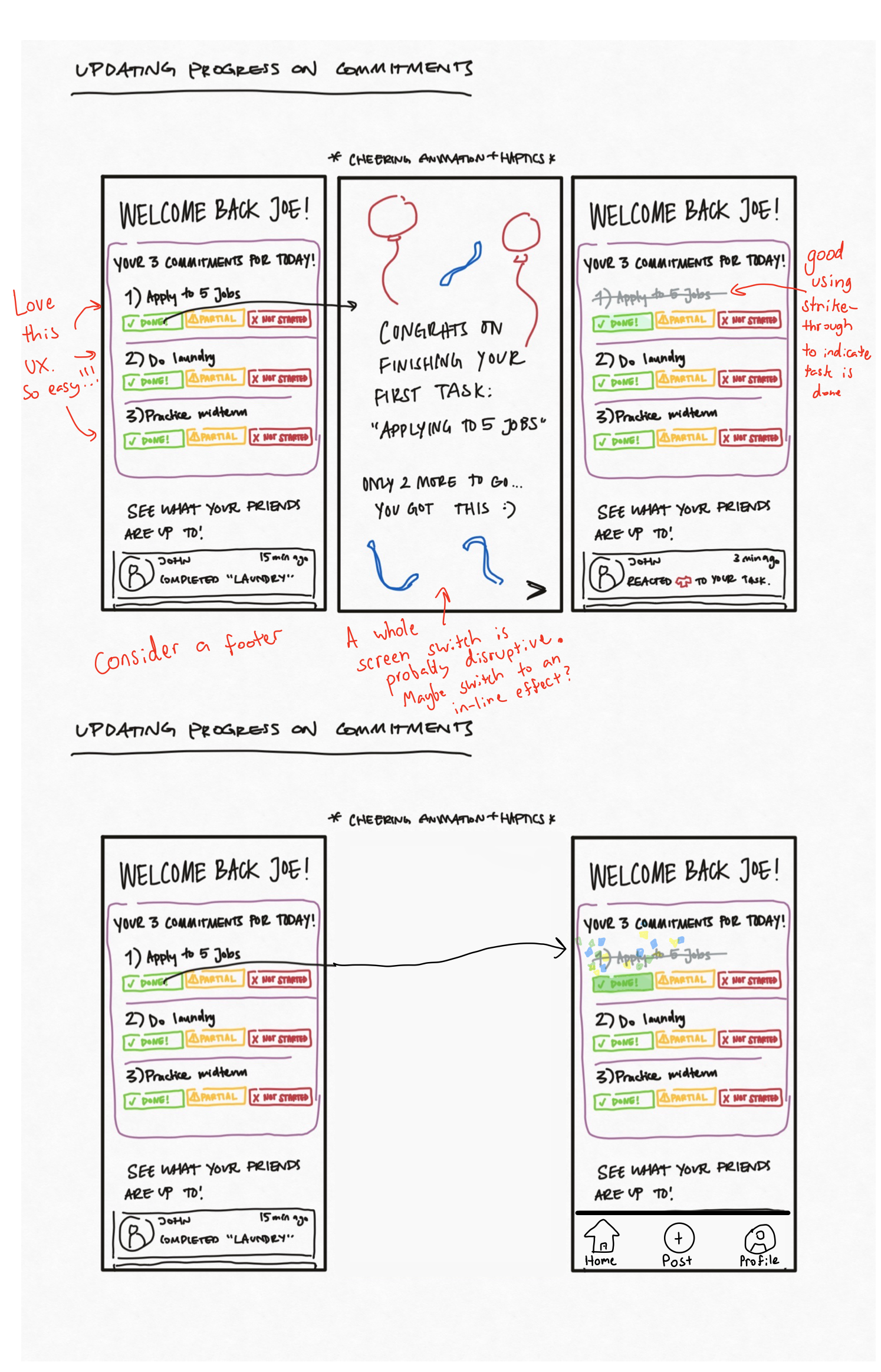
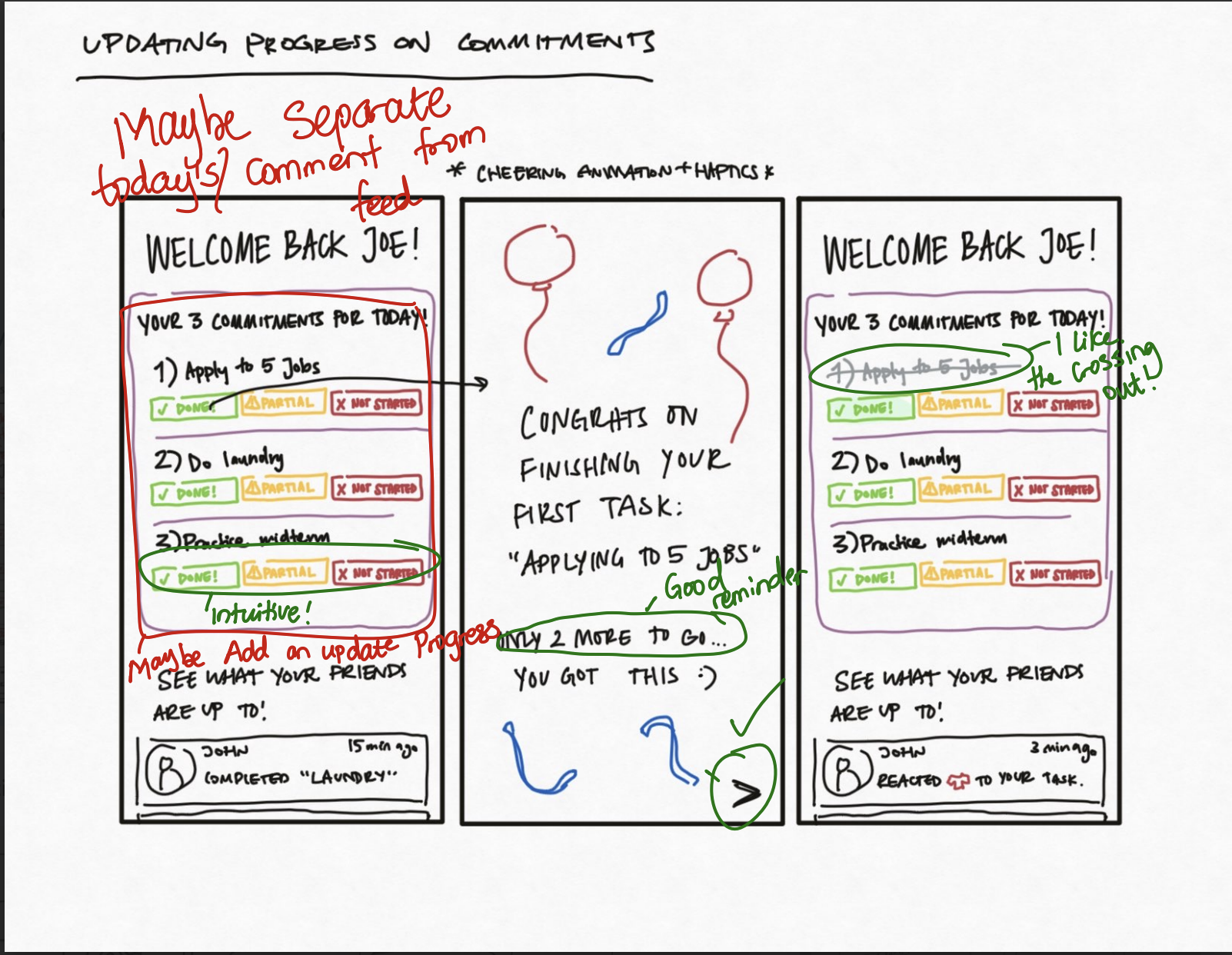
Critique 1 Critique 2
Justin’s Sketchy Flow
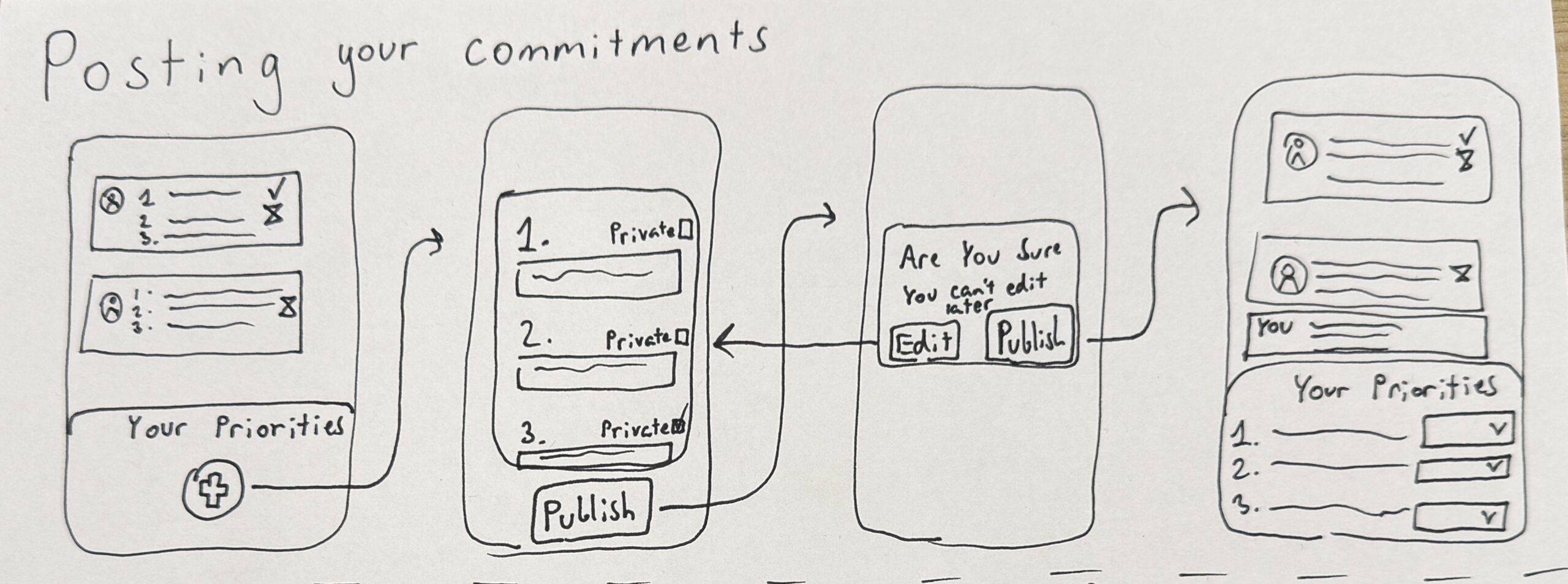
After Critique

Avey Sketch Flow
After Critique

Bryant Sketchy Screen
After Critique
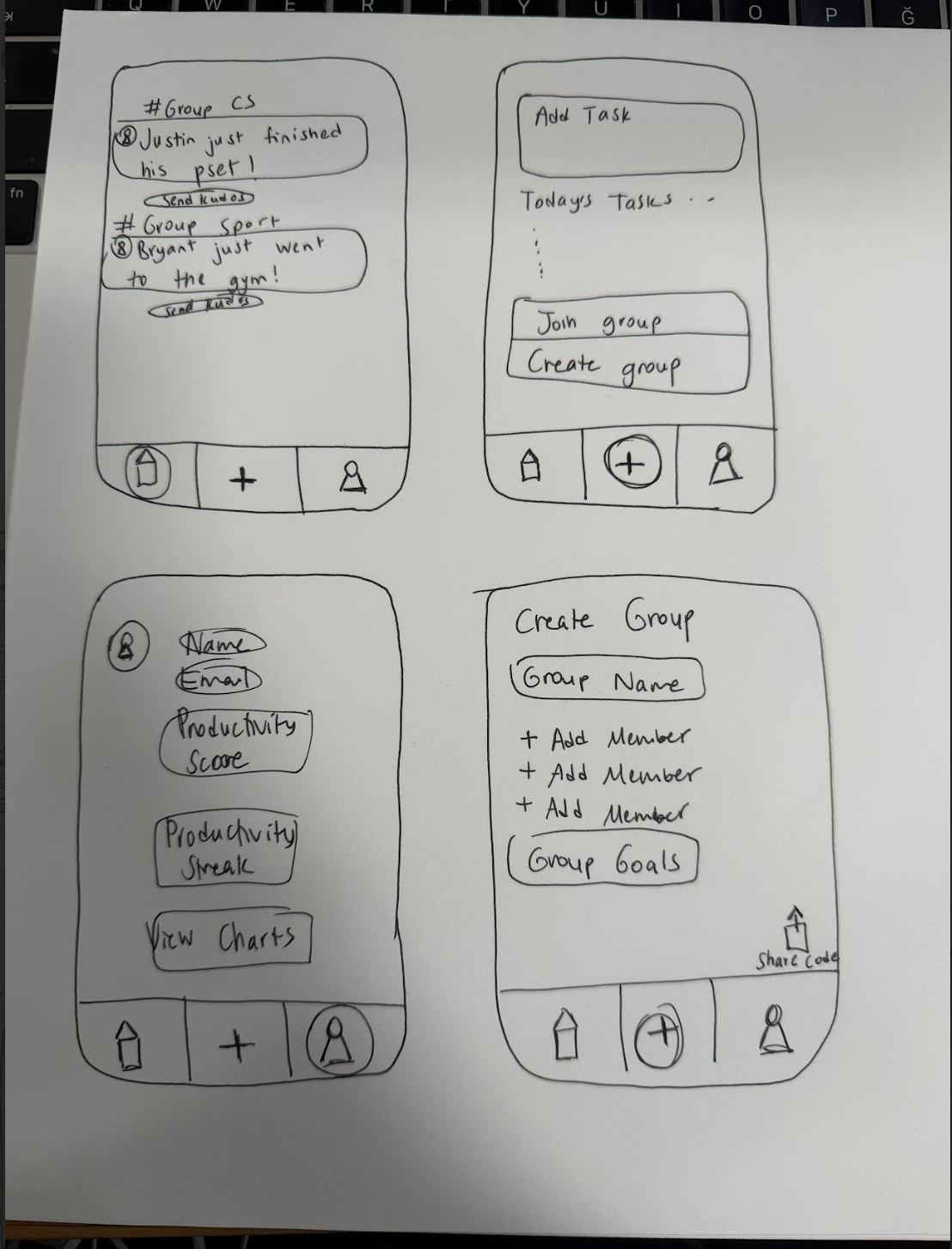
Merve’s Sketchy Screen

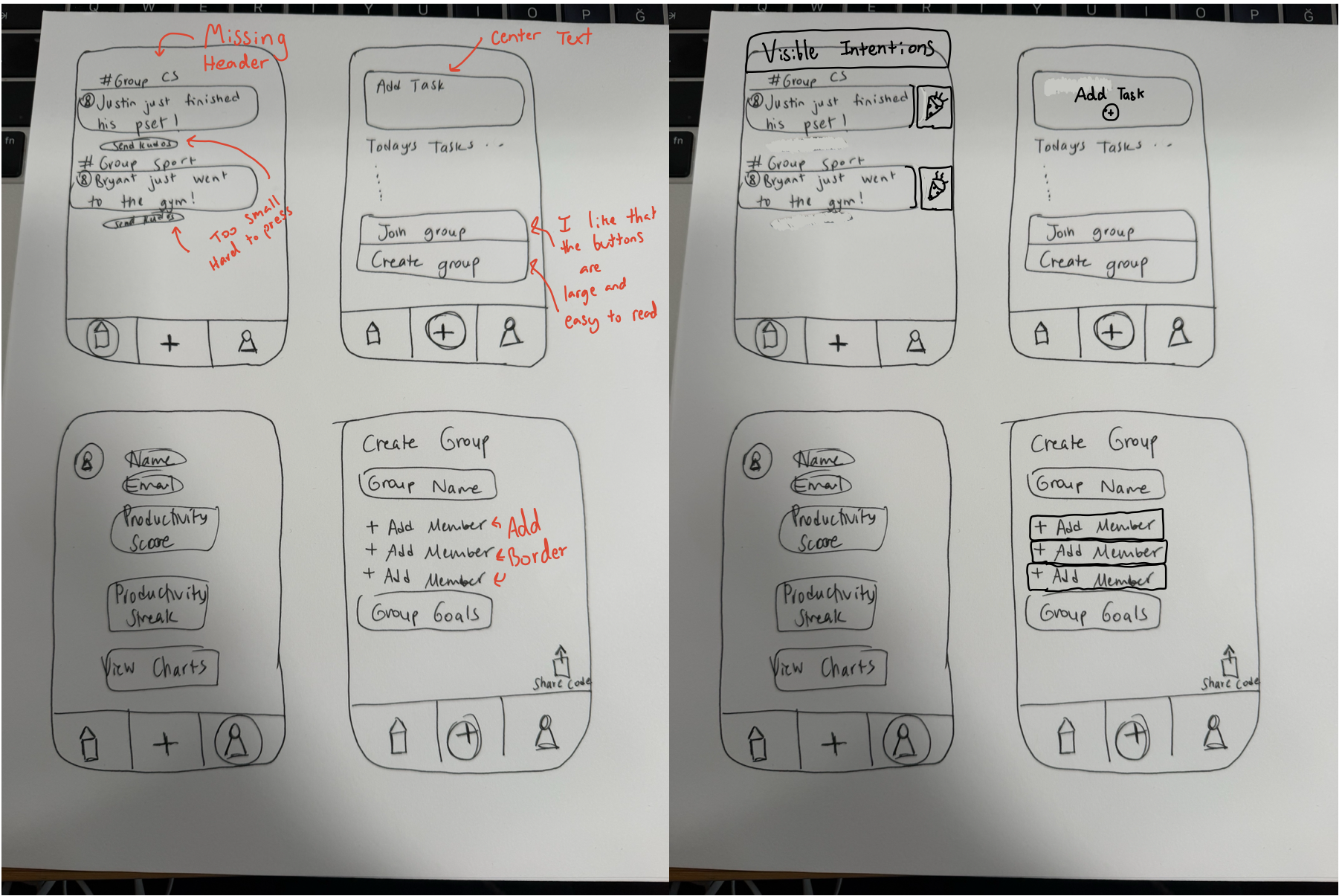
After Critique
Conclusion
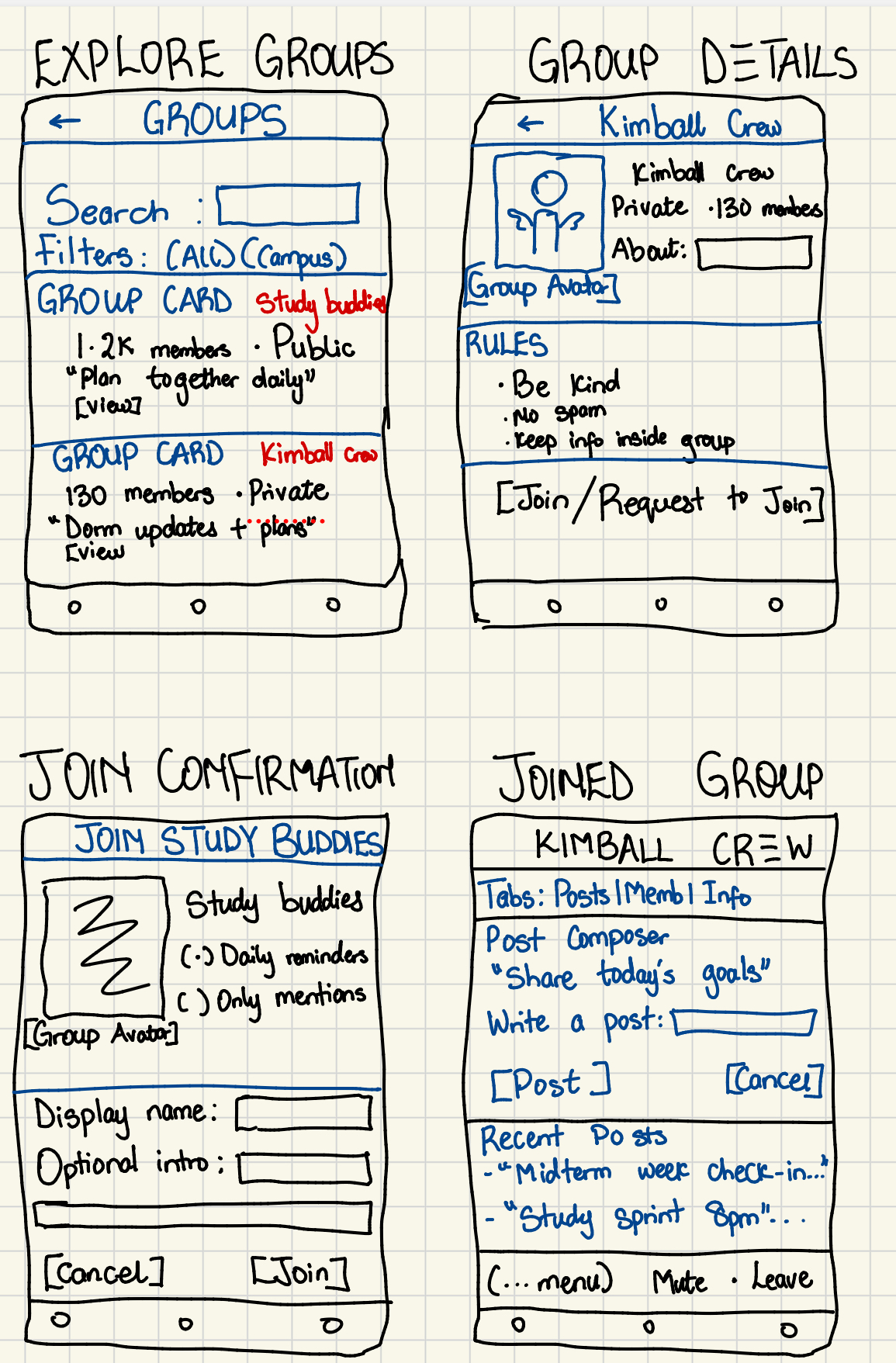
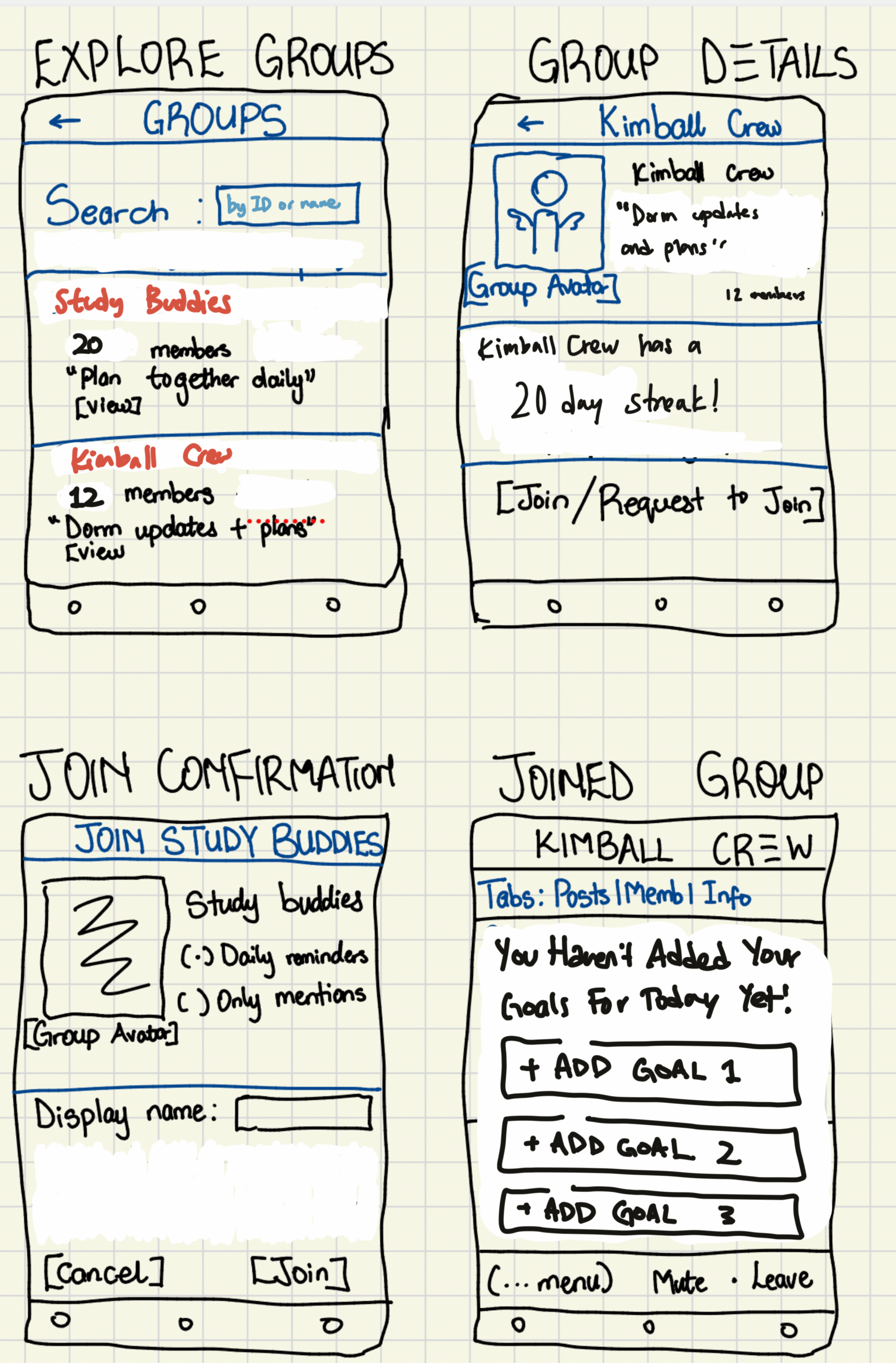
In addition to the shared wireflow, each team member created their own sketchy flow to explore different ways of supporting commitment-setting and progress tracking. While these sketches varied in structure and emphasis, they surfaced common themes around intentional focus, gentle accountability, and reducing overwhelm. Reviewing the sketches together allowed us to identify where interactions, language, and flow could be made more consistent across the experience.
Through critique, we focused on making cohesive edits that aligned the individual sketchy flows into a unified system. This included standardizing how priorities are set, how progress is updated, and how feedback and encouragement are delivered. By synthesizing ideas from each sketch rather than selecting a single approach, we were able to refine the wireflow into a more coherent and supportive experience that works across different user needs and planning styles.



