
Spotify(conversion→lifetime value).
Spotify uses free to build habit, then places the pay point at pain: ad breaks, skip limits, lower sound quality, and offline download. Users could switch to competitors, unless their playlists and personalization create high switching costs (rebuilding lists, retraining algorithms), which pushes upgrades and lifts conversion. Student and family plans further lock in retention. The Go Premium modal appears after a limit is hit for functions like lyrics, making the trade explicit: no ads +offline+ better quality.

Risk(100k actives): if upsell causes ~4% exits(4,000) but lifts trials +2 pp(+2,000), and ~65% of trials keep paying, that’s ~1,300 new subs/month: LTV>friction.
Figma(team expansion→lifetime value).
Figma gives solo value fast, then asks for payment at expansion moment(add editors, shared libraries). The free model only allows you to have three projects, which is unrealistic for professional use especially with limited functionality. Sunk cost exists: the file already exists, the team especially in B2B needs to continue, so many upgrade.
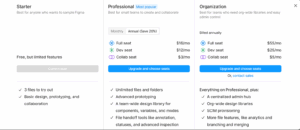
The friction is low as little competitors exist and there’s network effect where skilled workers get used to figma in the market. With free plans for students, conversion rate is high as skills is non transferable. If ~10% bounce at the step of trying to share but +3pp expand to paid seats (≈3,000), ARPU grows with each added seat.
NYTimes(subscriber value→lifetime value).
The meter builds routine; The freemium model only allows the user for a few articles per month. Afterwards, the continue reading offer pairs a preview with an intro price, tempting users to subscribe. Lower first month cost and user’s habit in prominence for NYTimes along with how LTV from subs outweighs ad yield from grazers, this model works.

If 20% bounces(≈20,000 per 100k) but 3% subscribe (≈3,000), subscriber LTV could>>casual ad yield.
Each product places friction at peak intent, so saying “yes” feels easier than backing out.



