Quibi’s riskiest assumption was that users would pay to watch short videos exclusively on their phones despite free alternatives like Youtube. We believe users will pay $5/month to watch <10 minute episodes on their mobile phones. To verify, we’ll gather 1000 participants, release one series with 10 episodes, offer the first two for free, and charge $5/month for the rest. We’ll measure the conversion rate to paid subscriptions and are right if at least 25% of pilot users subscribe to the paid model.
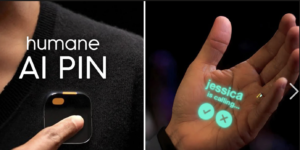
The Humane AI Pin’s riskiest assumption was that users would clip a pin to themselves as a replacement for smartphones. We believe users will replace their smartphone usage with a $699 AI pin priced $100 less than the iPhone 15. To verify, we’ll run a pilot test for a month with 200 users, ask them to both wear the AI pin and use an iPhone 15, and give them tasks requiring the usage of either device. We’ll measure the ratio of tasks completed using the AI pin over the iPhone. We’re right if the ratio of tasks completed using the AI pin is greater than 0.5.
Juicero’s riskiest assumption was that their machine was necessary to squeeze juice from their packets. We believe users will pay for the Juicero Press because you can’t properly squeeze the juice otherwise. To verify, we’ll give 30 users the machine and ask 30 separate users to squeeze the packets by hand. We’ll measure the time it takes participants in both groups to squeeze the full 8 oz. We’re right if more participants squeeze the entire packet faster using their hands.
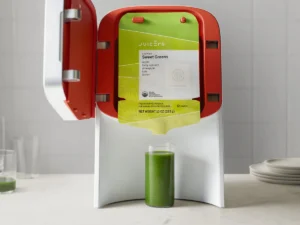
The cheapest test is Juicero’s because it can be tested quickly and with minimal bias.
Sources:
https://www.cnet.com/culture/entertainment/quibi-shutting-down-what-is-shows-golden-arm-stock-meg-whitman-jeffrey-katzenberg/
https://wearablexp.com/smart-wearables/humane-ai-pin-review/
https://www.thetakeout.com/juicero-press-top-silicon-valley-tech-startup-failure-1849832429/