Quibi, the Humane AI Pin, and Juicero launched big and failed because they scaled before testing their riskiest assumptions.
Quibi was betting that people would pay for Hollywood-grade mobile clips over free alternatives.
My test card is:
-
We believe commuters will pay $5-8/month for 10-minute mobile episodes over TikTok or YouTube.
-
To verify, we will run transit ads driving to a landing page with a $5 preorder deposit.
-
We will measure the percentage of visitors who enter payment info.
-
We are right if at least 3% attempt to pay.
The cheapest test to run would be a fake-door landing page, where we could measure interest and genuine user intent before spending billions licensing content.
The Humane AI Pin bet users wanted a $699 screenless voice wearable with a monthly subscription.
My test card:
-
We believe users will handle daily tasks via voice instead of pulling out their phones and are comfortable in public.
-
To verify, we will run a 3-day test with 25 users wearing AirPods linked to human operators.
-
We will measure the percentage of daily tasks resolved screen-free.
-
We are right if participants complete 60% of tasks by voice.
The cheapest test would be a Wizard-of-Oz trial using earbuds to catch social friction before engineering hardware for a short period of time.
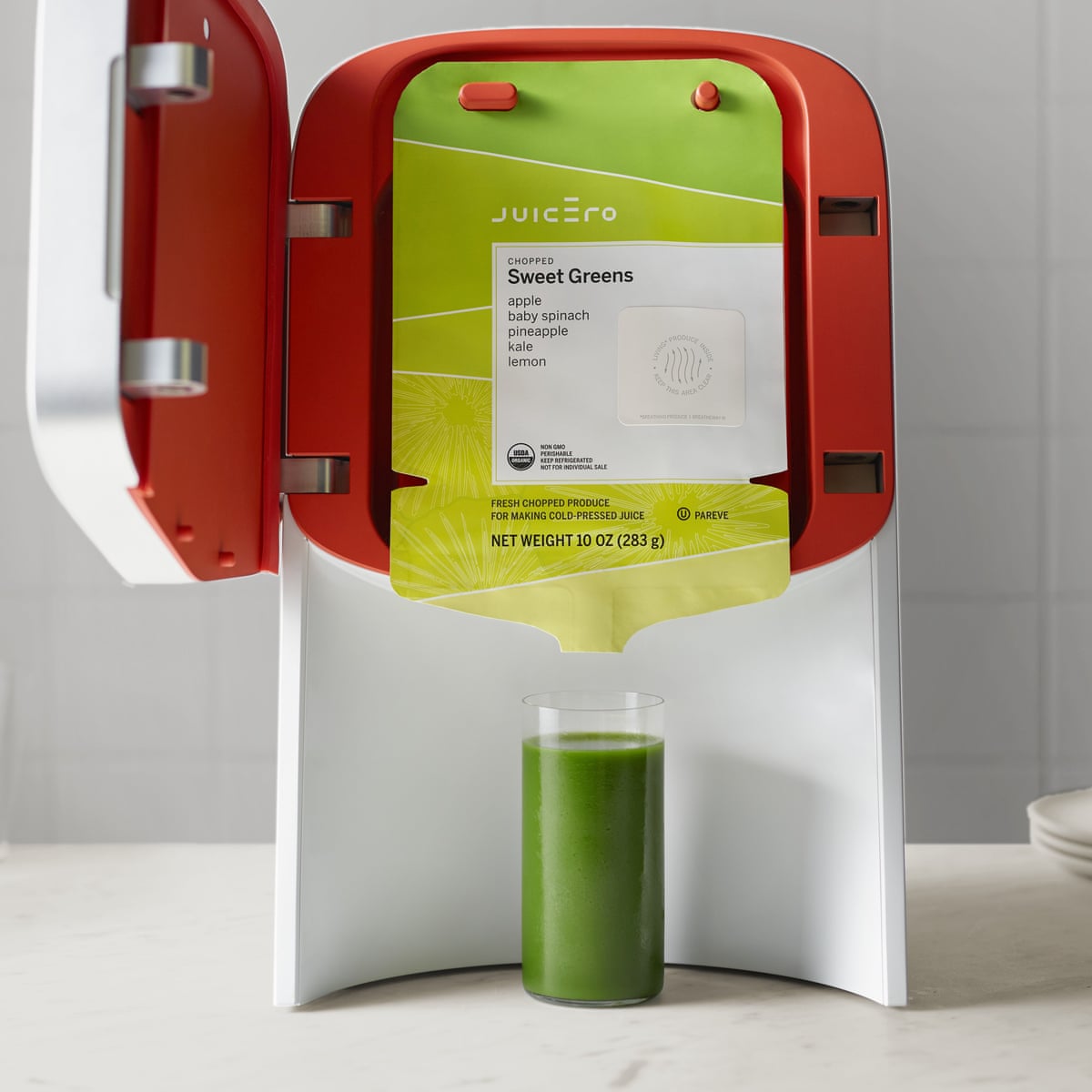
Juicero was betting on the assumption that customers needed a mechanical press to extract juice from proprietary packs.
My test card:
-
We believe consumers cannot extract juice from our pouches by hand.
-
To verify, we will ask 25 users to squeeze a glass manually within 60 seconds.
-
We will measure the percentage who successfully extract a glass.
-
We are right if under 10% can do it.
The cheapest test is handing one pouch to an office coworker to see if they can hand-squeeze it. If yes, then money spent on production was not needed.